Back in Business!

Over the summer, I went on tour with a traveling Drum and Bugle Corps, which took me away from the blogging world for a while. Needless to say, I’m back, and getting to see the rich wildlife we have across this country has me fueled more than ever! Who knew dragonflies could come in so many different shapes and sizes?

Some of the creatures I met were on the larger scale, but the vast majority were on the smaller side.

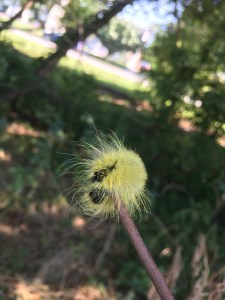
I found this American Dagger Moth caterpillar on a backpack in Mt. Carmel, Pennsylvania. Though the protruding hairs from the green ball of fuzz can be alarming, you have no need to fear of it stinging you. Do take notice, however, that I have him on a stick. While they don’t sting, their hollow locks can break off when touching your skin and will release a nasty toxin.IMG_0850
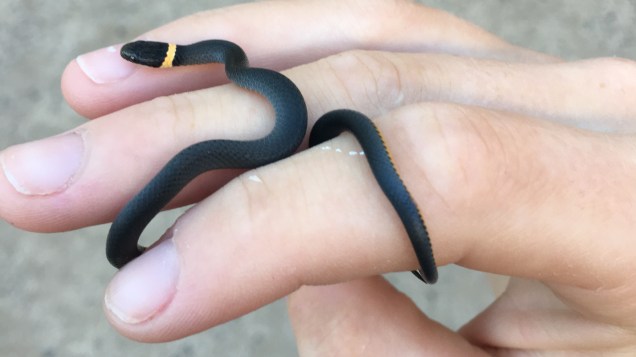
Oddly enough, at the same housing site, I made another companion–a ringneck snake! Ever since I read about these beauties in a herpetology textbook, I’ve been dying to meet one up close, and I must say, I was not disappointed. Spanning up to 15 inches long, Ringnecks carry a docile temperament and make the perfect companions–be it short term or long term.

Exploring the different creatures across the country was definitely one of my favorite aspects of the summer, and I can’t wait to share with you countless of others. Until we meet again, always remember: Whether near or far, learning about nature’s creations will always link back to where you are.
IMG_0943


Happy Morph Day!

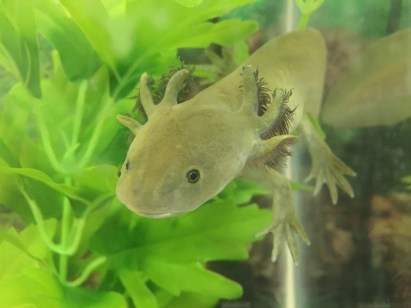
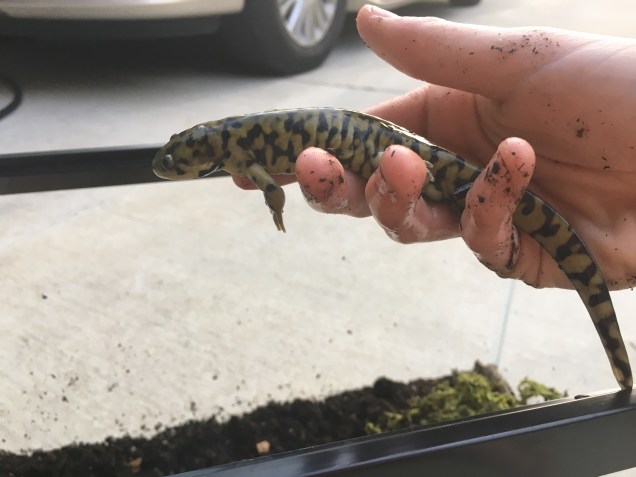
I’ll be the first to admit this post is long overdue. Around Spring break, I figured Milo would complete his change within the week, but I was surprised to watch it undergo another month. That being said, he is now a happy seven-inch salamander!

IMG_8926.JPG

HANDLING SALAMANDERS:

Be sure to have completely moist, clean hands, as lacking to do so can present harmful salts and oils to the salamander; Limit handling to short intervals.

The first noticeable sign of his change was the regression of his gills. Eventually, he began to loom around the surface of the water, so I moved him to a shallower enclosure with a hideout to crawl out on. I will say this was the more tedious part of the transition–not so much the change of environment but waiting for him to fully make the leap from aquatic to terrestrial.

Beginning of Gill Regression

IMG_7370.jpg

Once they do make the switch, it’s best to allow them an enclosure of moist, loose dirt (NO fertilizer) with plants and shaded areas to hide under. As for diet, crickets, mealworms, and earthworms can be let loose in the enclosure for the salamander to feed on as it pleases. The benefit of having mealworms over crickets appears to be centered around Milo residing most of his time underground. This way he is not forced to come up for food and is able to remain under the dirt where he is currently the most comfortable.

He is definitely camera shy in his terrestrial form, but I do hope to have more pictures of his transformation in the weeks to come.

Hopping to the Spotlight

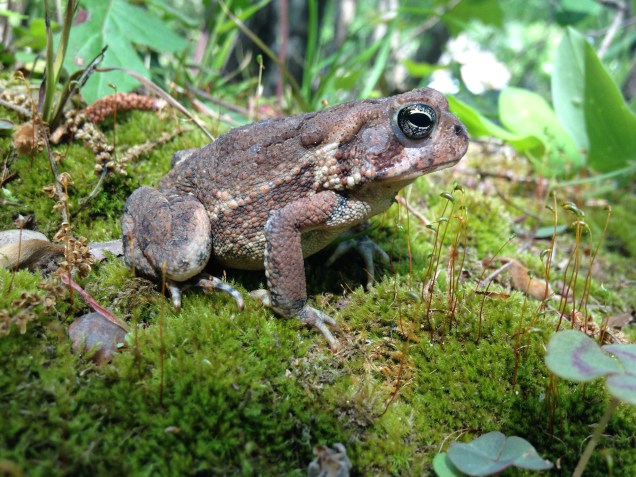
One of my favorite things about hiking is getting to interact with the beautiful creatures around you. Around this time last Spring I was meandering through Chewacla—a park in Auburn, Alabama—when I came across these social fellows.

IMG_7012.JPG

IMG_7016.JPG

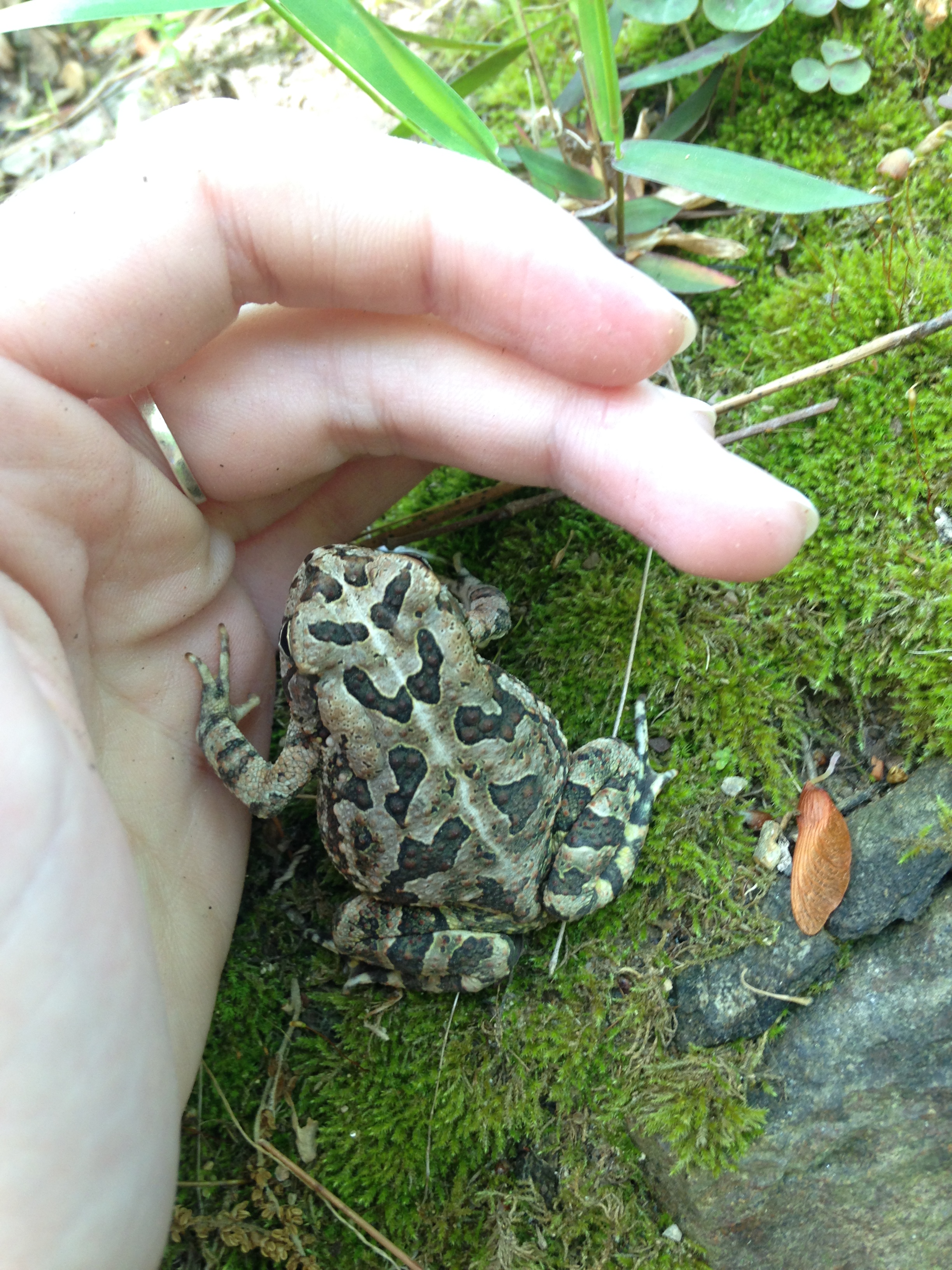
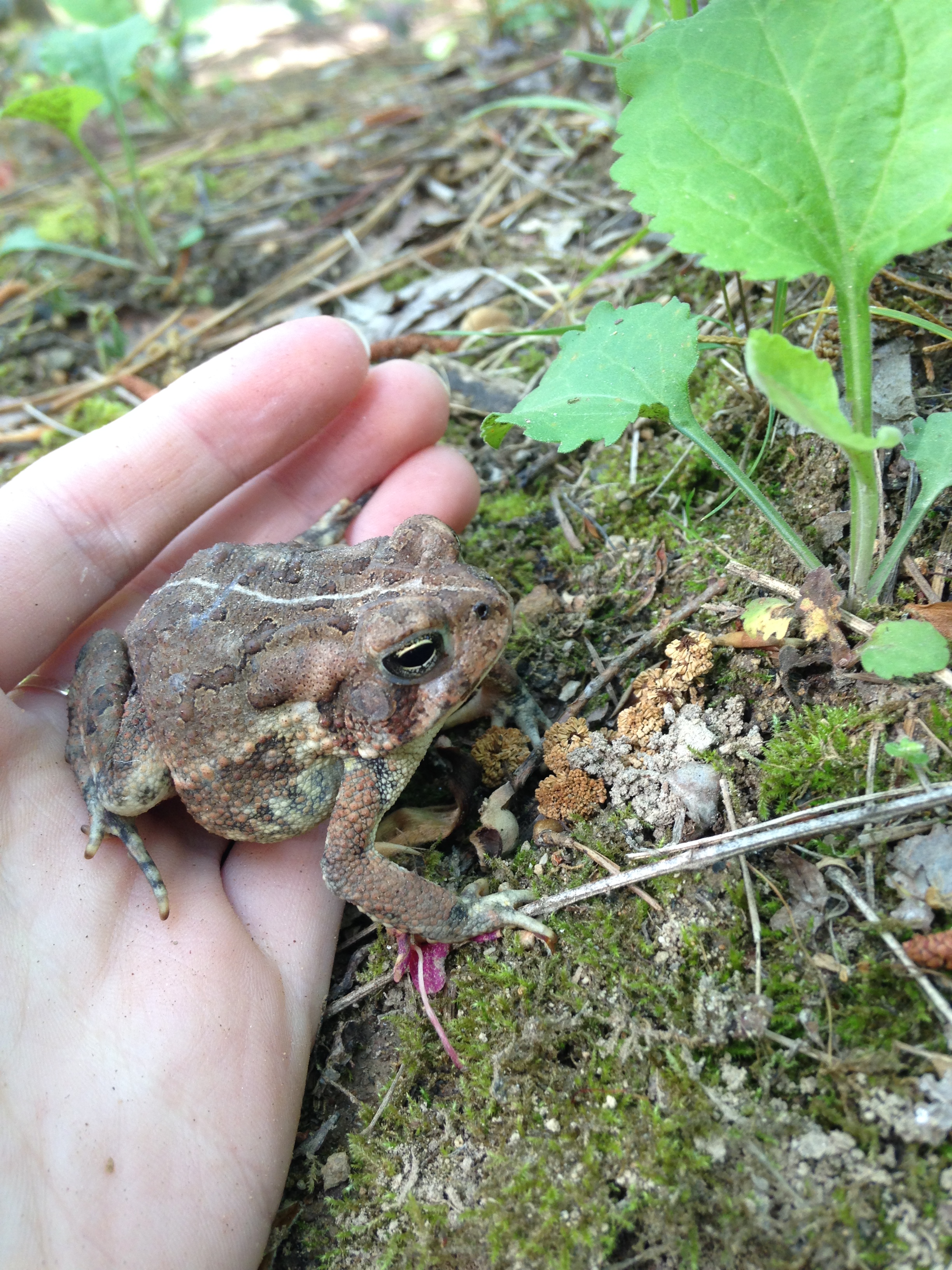
Both Fowler’s toads, the toad pictured on top held a darker pigmentation, causing him to beautifully stand out against the moss.

IMG_7021.JPG

These kinds of toads can easily be identified in the wild not only due to their markings but because of their unique song and chirp.

A native to North America, these animals spend a majority of their life on land. However, at the time of mating, they will return to shallow waters to find a mate and obtain an area to lay eggs.

These two were quite social when being handled, and had no problem striking a pose for the camera.

I plan to hike the same trail on Friday, and, needless to say,  I’m feeling froggy.

A Helping Hand

IMG_5059.JPG

Pictured Above: Fred, A Sugar Glider From a Past Clinic

“I have no fear of losing my life—if I have to save a koala or a crocodile or a kangaroo or a snake, mate, I will save it.” -Steve Irwin, Wildlife Conservationist

I grew up watching Irwin as a kid and was fascinated by his devotion to the wildlife around him. His desire to help never faltered despite the situation presented. Sure, there were moments where he was fearful, but his driven passion helped override his apprehension.

I knew animal medicine and rehabilitation was the route I wanted to take when I found my Eastern box turtle, Eartle. A little over the size of a quarter, he was dropped by a bird and suffered a hairline cracked shell. After movement made a slight improvement within a few weeks, I looked at the percentages of survival with young box turtles: mortality rate rests among 95%.  I took one look at the little guy and how hard he was struggling to eat his cucumber slice and knew he was going to be my long-term companion.

More recently, I was walking outside my complex when I noticed a female sparrow convulsing. Her leg was awkwardly bent inward, forcing the bird to drag herself when trying to move. There was no hesitation. I asked my boyfriend to go inside and grab the softest kitchen towels I had. With a scooping motion, I picked up the sparrow and brought her inside to be placed on a heating pad. She laid there, allowing me to stroke her head with her shaking decreasing. Together, my boyfriend and I pondered what to call her, but I knew eventually she would be released. To avoid getting attached, he suggested we just call her Bird. I reminded him she was indeed a lady.

Miss Bird it was.

Over the weekend she remained on low heat, as well as was transferred to a larger enclosure. Around two days after finding her, with a belly full of sunflower seeds, Miss Bird flew on home.

There was no tangible reward for helping that sweet bird, as there isn’t for helping most wildlife. What you do receive, however, is what I felt that day—a deep and joyous satisfaction knowing she was pruning in a tree somewhere, spending the night with her own kind versus lying on the harsh cement.

I guess you could say stories like Eartle and Miss Bird are what my blog is about. I’ve never been one to walk away from an animal in need, and I hope that by documenting my path at least one more person will realize the importance and beauty of the creatures around us.

There’s a lot out there to learn, and I know I am just at the beginning of my journey. What I can be confident about, though, is it only takes a little compassion to get started.