Across the savannah and other regions of Africa, two trees are widely recognizable and often depicted in artwork for their stunning profiles against the horizon. The umbrella thorn acacia (Vachellia tortillas) and the baobab (genus Adansonia) serve as habitats and sources of nutrition for many species. Take a moment to compare the tree types below using the slider.
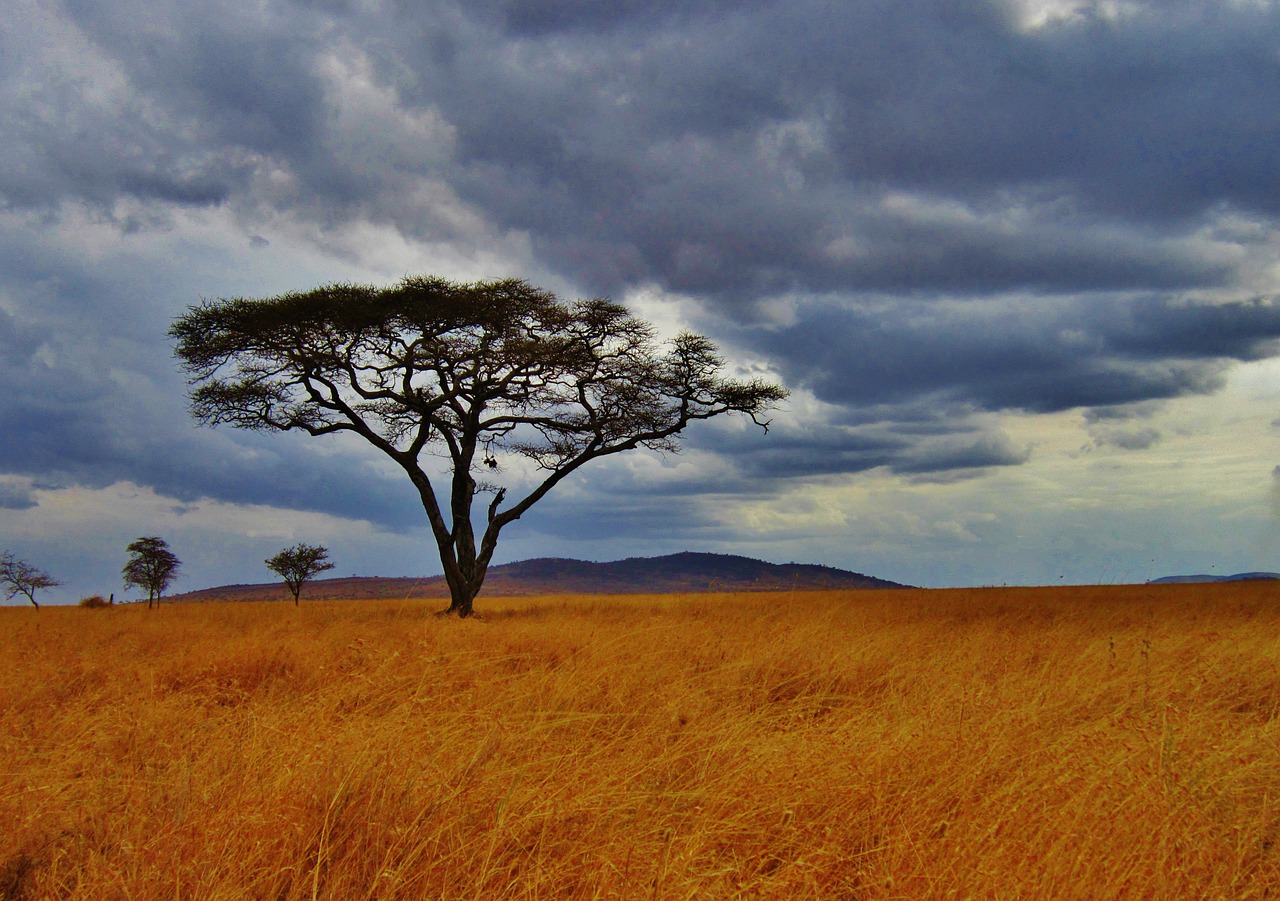
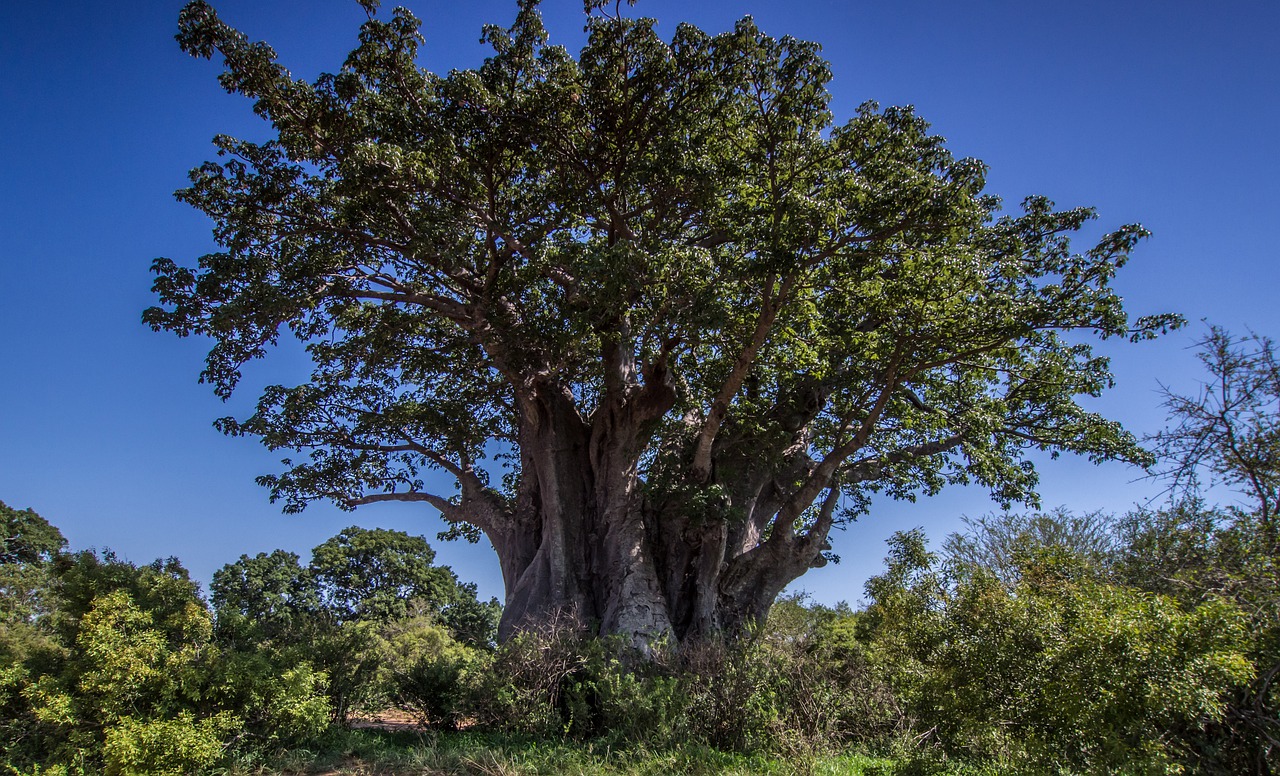
Unlike the umbrella tree, baobab populations (six assessed species within the genus Adansonia) have been marked as endangered since 1998 by IUCN, and more recently two sub-species were assessed as critically endangered in a study performed by scientists with CIRAD and the University of York.
What is behind the decline?
As of 2018, the specific cause of the species’ decline is unknown. Trees are dying off with symptoms mimicking if the trees were infected with a pathogen, however no direct signs of pathogenesis (or infection) have been observable. Current fluctuations of global climate associated with human-induced climate change are thought to be the cause of the sudden onset of decline, although more correlational studies are needed to test for additional environmental factors that might be at play to confirm this.
As climatic patterns change, organisms may be exposed to different levels of environmental conditions than usual, leading to physiological (functional) issues within the organism. Specific environmental fluctuations thought to cause issues are shifting patterns of water dispersal and increases of temperature peaks compared to prior years. The logic behind this is as follows:
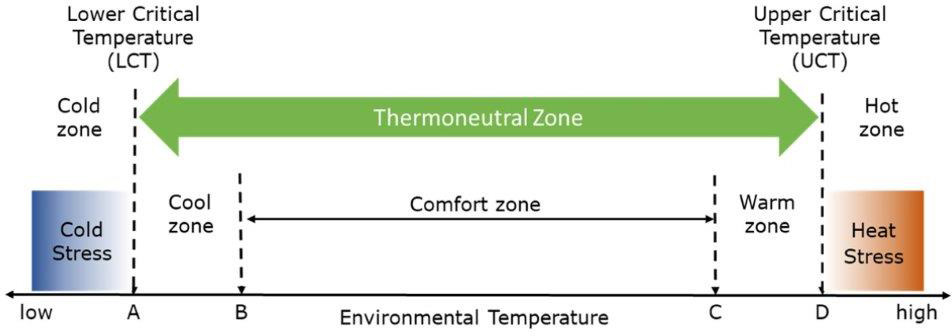
All organisms operate in what is considered a ‘thermoneutral zone,’ which in short means there is a limited range of temperatures an organism can be exposed to before experiencing difficulty maintaining cellular functions (see above figure). There are critical temperatures associated with this zone, LCT and UCT in Figure 1, which are the furthest temperature extremes an organism can endure before going into cellular stress.
In the case of the baobab, this tree has incredible adaptations for water absorption from the environment to save hydration for times of drought. Unfortunately, increased temperatures have altered the availability of water sources, leaving the tree exposed to hot, dry climate with little hydration reserves to act as a buffer.
Why does this matter?
Cultural Influence
The Baobab Tree | African Folklore
The Baobab Tree has been a central tale among African cultures for centuries. In African Lore, the baobab tree was a species created through divine intervention capable of walking and communicating. According to the folk tale, the tree was never satisfied with its composition or surroundings, and was in a state of constant disagreement with the gods that created it. Tired of listening to the ever-changing frustrations of the tree, the baobab was forcibly driven into the Earth, where it was left to remain still in the soil, but most importantly left to allow the deities to continue their creation of the world in silence. The tree gained its colloquial nickname, the upside down tree, through oral and written retellings of this timeless story. The close connection some feel with the tale reflects the underlying importance the species has maintained for locals.
Nutrition for Humans and Wildlife
In terms of vitamin composition, baobab fruit contains higher levels of vitamin C than oranges. The fruit is widely consumes by humans, as well as wildlife species such as monkeys, antelopes, and the African elephant. Among a high C-vitamin rating, the fruit provides large amounts of dietary fiber to organisms, along with high levels of antioxidants. In fact, this tree has the highest level of dietary antioxidants when compared to other fruiting species.
Baobab trees also serve as crucial water reservoirs for wildlife when rain is scarce in the environment. Specifically, the African elephant (Genus Loxodonta) is a frequent visitor of baobabs, targeting large water reserves within the vascular tissue of the trees.
Overconsumption | Impacts of Humans and the African Elephant
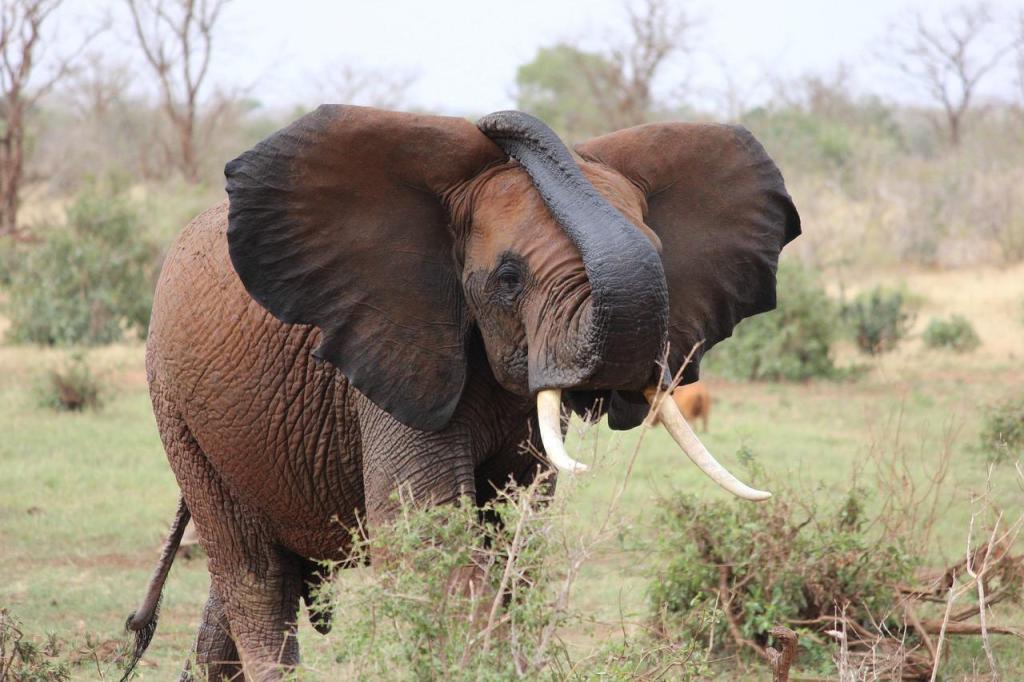
If you were to observe the same baobab tree at various points of the year, you might notice the diameter of the trunk changes based on the time of year. This is directly correlated with the amount of water readily available for intake by the species from the environment. When baobab trees are larger in diameter, they are swollen from large amounts of water stored within vascular tissue. African elephants are well-adapted to recognize these swollen trunks as a source of hydration and use their tusks to break away external bark of the tree, exposing moist wood ready for consumption. Severe damage to internal tissue from destruction like this results in the death of many baobab trees.
In addition to being exploited by wildlife, baobab trees can be over-harvested by humans for commercial and local purposes such as nutrition or medicinal intervention. With the species in decline, the continual destruction of trees from members of Loxodonta and humans pose a threat to expediting the rate of that decline.
Habitat for Species
With immense branching patterns and bushy foliage, baobab trees make excellent homes for wildlife across Africa, including organisms such as lizards, birds, primates, and insects. Not only does the baobab offer shelter from predators and refuge for reproduction, it also acts as a place of shade to prevent organisms from overheating under the over-exposed sun.
In the video below, you can see many examples of these groups of organisms!
What Conservation Methods are in Place?
Whereas the effects of climate change on baobab species are steadily underway, other factors threatening to shorten their existence, such as over-exploitation by humans, are actively being protected against. For example, members of the NGO (non-governmental organization) Flora & Fauna International (FFI) have paired with the Madagasikara Voakajy (MV) NGO in Madagascar to actively monitor around regions of baobab trees repeatedly sought after for slash-burning or other human exploitation practices.
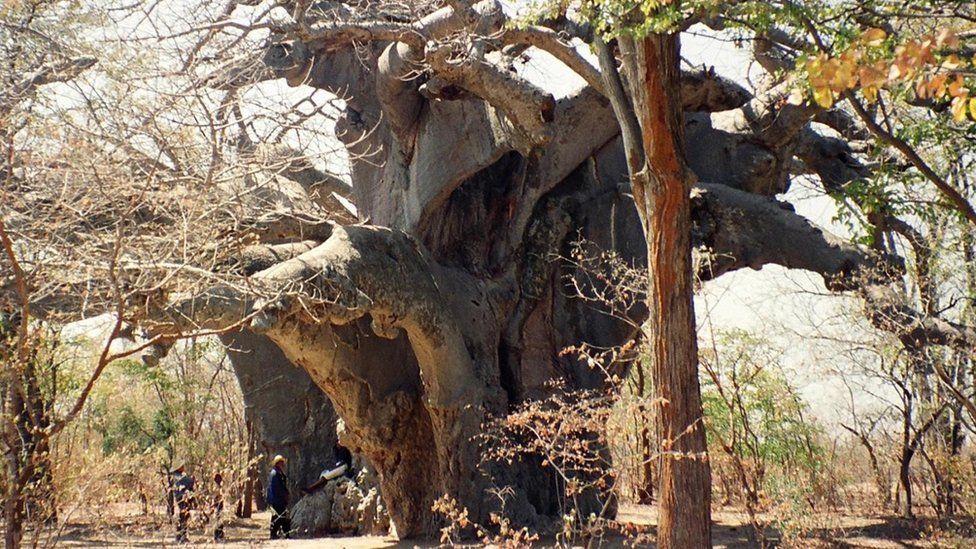
Having physical representations of the concern the public has for the baobab population is crucial to raising awareness about what is going on with the species. Through efforts such as those set forth by FFI and MV, the lives of those baobabs currently in existence may be prolonged as researchers continue to explore ways to save this historic species.
Future Directions
The baobab tree represents an ancient lineage of DNA that holds cultural importance for many groups of people as well as nutritional benefits to both human and wildlife populations. Measures against climate change, such as minimizing individual carbon emissions and assisting in conscious green-choices are immediate actions you can take to help minimize the future effects baobab species are inevitable to experience.
More population abundance and health assessments need to be conducted as well as assessing trends with clines (environmental gradients). In the time between the release of new information, non-governmental organizations such as Flora & Fauna International and Madagasikara Voakajy mentioned earlier are crucial to raising awareness and taking direct action against over-exploitation practices.
Stay Adventurous,
Olivia Grace
References
1 | Aduna. 2022. Baobab Benefits.
3 | Flora & Fauna International. 2022. Saving the Wild Baobabs of Madagascar
5 | San Diego Zoo. 2022. Animals & Plants, Baobab.

 Compassion Crossing