Happy Morph Day!

I’ll be the first to admit this post is long overdue. Around Spring break, I figured Milo would complete his change within the week, but I was surprised to watch it undergo another month. That being said, he is now a happy seven-inch salamander!
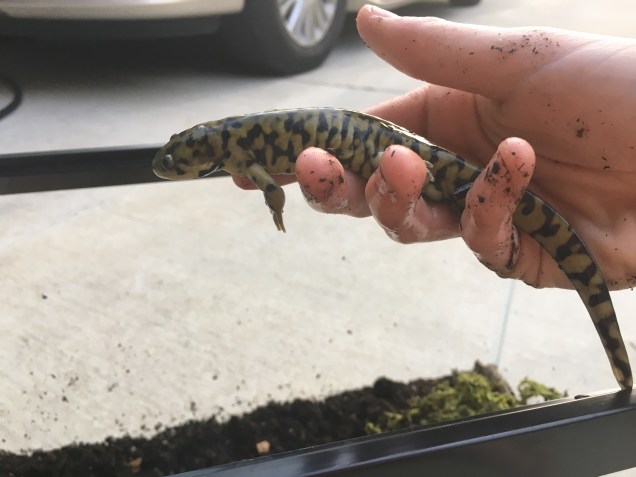
IMG_8926.JPG

HANDLING SALAMANDERS:

Be sure to have completely moist, clean hands, as lacking to do so can present harmful salts and oils to the salamander; Limit handling to short intervals.

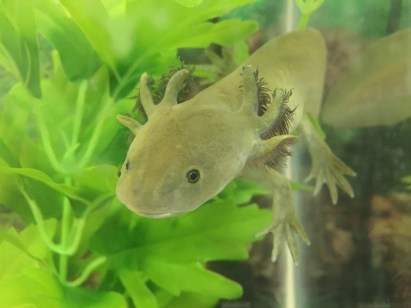
The first noticeable sign of his change was the regression of his gills. Eventually, he began to loom around the surface of the water, so I moved him to a shallower enclosure with a hideout to crawl out on. I will say this was the more tedious part of the transition–not so much the change of environment but waiting for him to fully make the leap from aquatic to terrestrial.

Beginning of Gill Regression
IMG_7370.jpg

Once they do make the switch, it’s best to allow them an enclosure of moist, loose dirt (NO fertilizer) with plants and shaded areas to hide under. As for diet, crickets, mealworms, and earthworms can be let loose in the enclosure for the salamander to feed on as it pleases. The benefit of having mealworms over crickets appears to be centered around Milo residing most of his time underground. This way he is not forced to come up for food and is able to remain under the dirt where he is currently the most comfortable.

He is definitely camera shy in his terrestrial form, but I do hope to have more pictures of his transformation in the weeks to come.

Munchin’ Mice

vegetables-790022_640.jpg

When from a reputable manufacturer, commercialized diets for mice offer a great deal of protein and additional nutrients. A lot of the time, however, fillers are used–such as corn–which can limit the daily nutrients your pet needs to be healthy.

One way of getting around this is making your own chops for your pet. When creating your own mixture, it is important to remember mice need plenty of fruits and vegetables in their diet as well as protein. In order to create the best chop possible for your mouse, here are a few possible vegetable options:

broccoli-1078163_640.jpg

Romaine Lettuce

Kale

Cabbage

Spinach

Bean Sprouts

Carrots

Zucchini

Broccoli

Protein can be introduced in a variety of ways. Lean cut turkey, shelled beans, as well as insects are all perfect options to include into your mouse’s diet. When selecting an insect, it is best to choose a size appropriate to your pet, so they do not face the risk of biting off more than they can chew. I would personally choose small mealworms and Dubia roaches. 

After introducing vegetables and protein, it is nice to leave your mouse with carbohydrates in the form of fruit. Listed below are a few options suitable for your pet’s mixture:

Keep in mind, it is crucial to skin the fruit before giving it to your mice in order to reduce the risk of impaction!

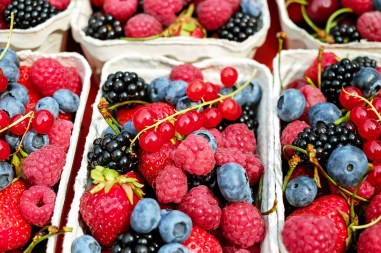
berries-1546125_1280.jpgStrawberries

Blackberries & Raspberries

Grapes 

Tomatoes

Apples & Bananas

The lists I have provided certainly aren’t the only foods you can feed your mouse, just some of my suggestions. If you have any questions about foods you are using or are wanting information on chops for other species, feel free to shoot me an email and I will be glad to help!