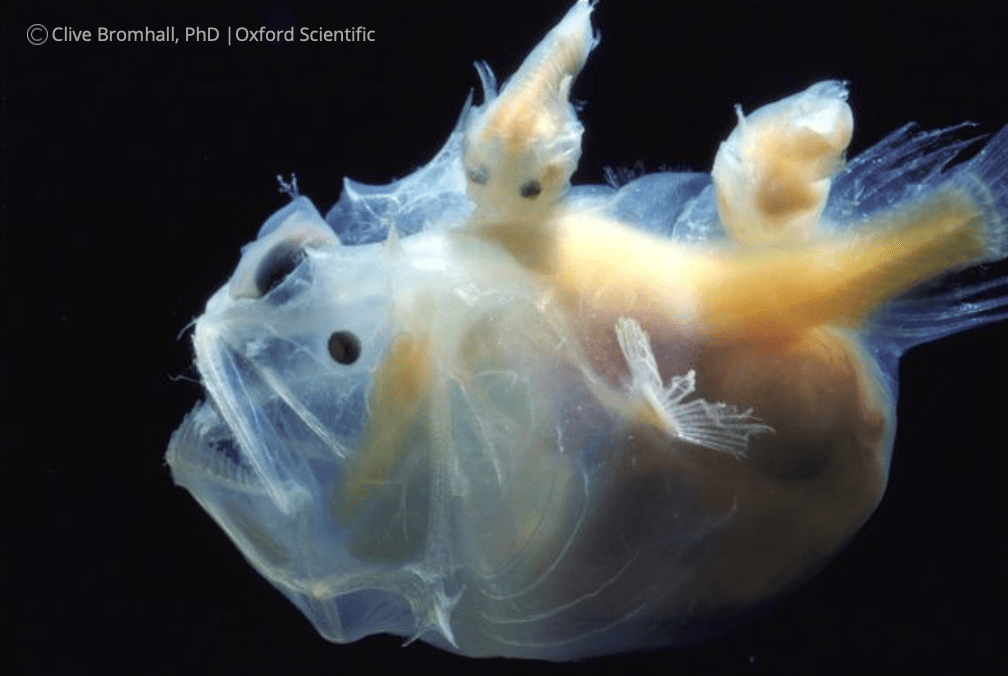
Let’s Get Dirty: The Fundamentals of Soil Ecology

Soil: Earth’s Living Tapestry

Beneath our feet lies an intricate tapestry of life, teeming with activity: soil. Often overlooked, the health and complexity of this living canvas significantly influence the sustainability of life as we know it (Lavelle and Spain, 2001). Soil ecology delves deep into this tapestry, studying the interactions between soil-dwelling organisms and their environment. The importance of this discipline is monumental, revealing how different organisms contribute to nutrient cycling, soil formation, and overall ecosystem functions (Bardgett, 2005).
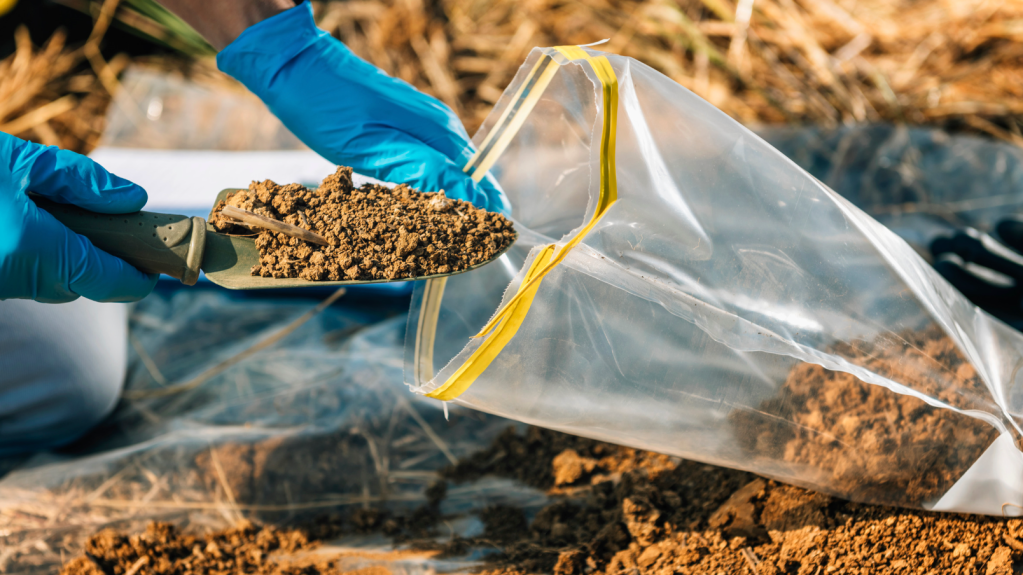

The Day in a Life of a Soil Ecologist

Soil ecologists unravel the mysteries of soil ecosystems. Their endeavors range from microscopic analyses of soil microbes to broader studies addressing the soil’s impact on climate. Here’s a glimpse into their typical day:

Fieldwork: They might be collecting soil samples, setting up experiments, or taking environmental measurements (Wardle, 2002).

Laboratory Analyses: They delve into soil samples, identifying organisms, or measuring soil properties. They might use everything from basic microscopy to advanced methods like DNA sequencing (Fierer & Jackson, 2006).

Data Analysis: A lot of their time goes into analyzing data, using statistical software, and even crafting mathematical models to predict soil processes (Manzoni & Porporato, 2009).

Writing & Publishing: Like many scientists, they share their findings through scientific papers, enhancing the collective knowledge of the community (Bardgett, 2005).

Whereas the studies of soil ecologists may range in focus–say from examining agricultural practices’ impacts on soil health to exploring soil organisms’ roles in climate change (Doran & Zeiss, 2000; Six et al., 2002)– the results can benefit various sectors, from academia and government agencies to the private sector and non-profits.

See the video below for an interview with soil ecologist Dr. Yamina Pressler.


The Soil’s Biodiverse Orchestra

Imagine this: a single gram of soil could be bustling with up to a billion bacteria (Whitman et al., 1998). The soil is a realm of staggering diversity: bacteria, fungi, protozoa, nematodes, and many more. They all dance in a complex web of life, supporting functions like decomposition, nutrient cycling, and disease suppression (Bardgett and van der Putten, 2014).
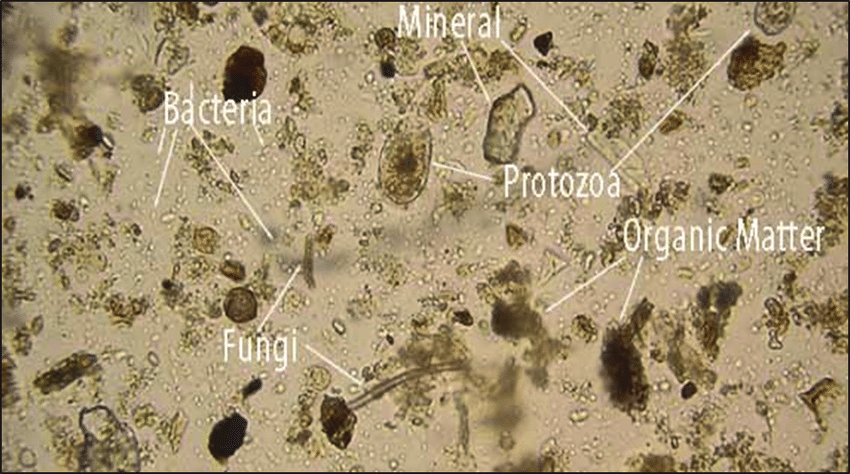
Microscopic image from Bauber and Dindaroğlu 2020 labeling components of soil sample.

In harmony, their collective efforts sculpt the soil. Diligent earthworms, for instance, burrow, aerating the soil and aiding water infiltration. Fungi, with their hyphal networks, bind soil particles, fortifying the soil structure (Ritz & Young, 2004). Some soil warriors even defend against plant diseases. We see this in certain strains of bacteria and fungi. For example, the fungus Penicillium chrysogenum produces antibiotics, effectively staving off pathogens, serving as nature’s own pest management system (Mendes et al., 2011).


Soil: Our Climate Guardian

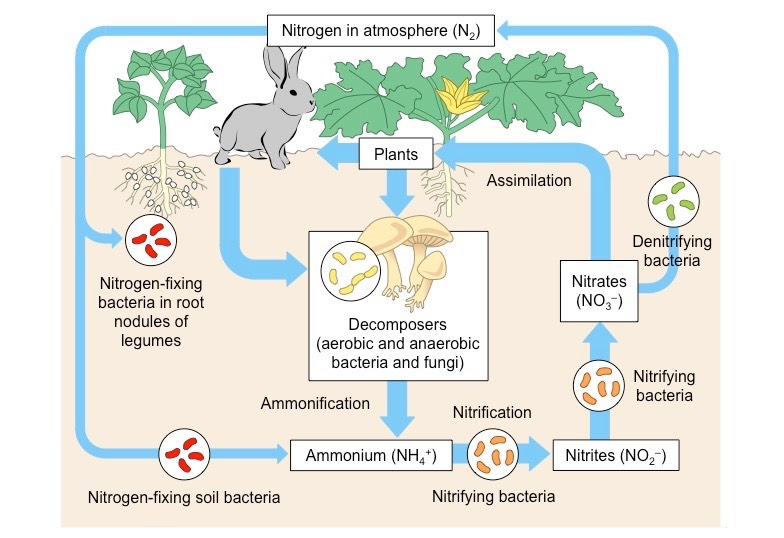
Soil biota play pivotal roles in the cycling of essential elements like carbon, nitrogen, and phosphorus (Coleman et al., 2004). Bacteria and fungi act as recyclers, breaking down organic matter and releasing nutrients. Some bacteria, the nitrogen-fixers, even draw nitrogen from the air, converting it into a plant-friendly form (Vitousek et al., 2002). See the image below for a representation of the nitrogen cycle, emphasizing the role of soil organisms (Source: Bioninja).
Soils could also be considered a form of climate guardian, holding more carbon than both the atmosphere and all vegetation. Disturbances to soil, like deforestation and poor agricultural practices, can lead to the release of this stored carbon into the atmosphere, contributing to greenhouse gas emissions. Conversely, healthy, well-managed soils can sequester carbon from the atmosphere, potentially mitigating climate change and emphasizing the urgency to manage and protect them diligently (Lal, 2004; Paustian et al., 2016).

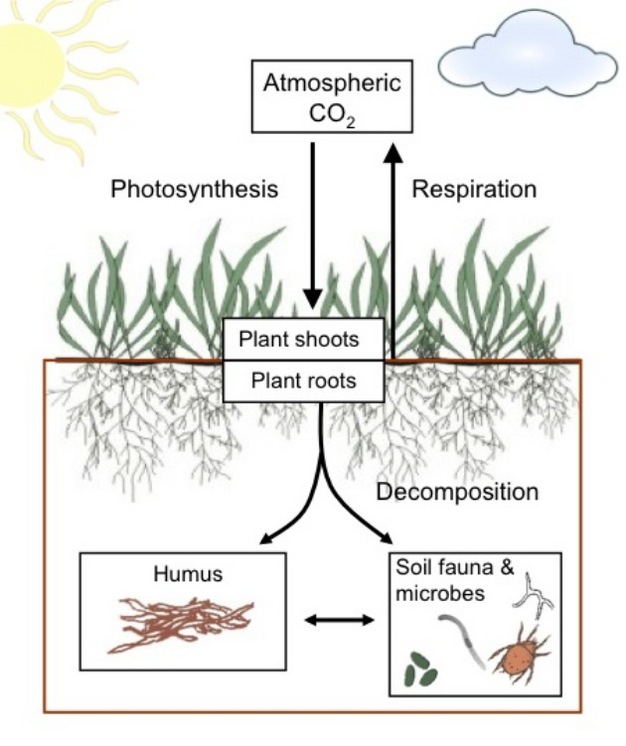
The image to the right displays a schematic of potential pathways for CO2 molecule once sequestered from the atmosphere through the soil (Ontl and Schulte, 2012). Carbon balance within the soil (brown box) is controlled by carbon inputs from photosynthesis and carbon losses by respiration. Decomposition of roots and root products by soil fauna and microbes produces humus, a long-lived store of soil organic carbon.

See the recommended video below for an in-depth look at where soil fits into the carbon cycle.


In Conclusion

The soil is not just dirt beneath our feet; it’s an intricate world, pulsating with life! Most importantly, this reminds us of the profound interconnectedness of our planet. Every grain, every microbe, and every root tells a story of life’s incredible resilience and interdependence. Soil ecology, with its myriad interactions and functions, is a cornerstone for the Earth’s biosphere. It is a compelling testament to the interconnectedness of life and a crucial piece of the puzzle in addressing global challenges such as food security and climate change. As we discover the secrets whispered by the earth, we gain insights into addressing global challenges and securing a future for generations to come. So, as you tread the Earth, pause and appreciate the delicate symphony beneath, remembering the vital tune it plays for our planet’s future.

Stay Adventurous,
Olivia Grace

References

Bardgett, R. (2005). The Biology of Soil: A Community and Ecosystem Approach. Oxford University Press.

Bardgett, R. D., & van der Putten, W. H. (2014). Belowground biodiversity and ecosystem functioning. Nature, 515(7528), 505–511.

Coleman, D.C., Crossley, D.A., Hendrix, P.F. (2004). Fundamentals of Soil Ecology. Academic Press.

Lal, R. (2004). Soil carbon sequestration to mitigate climate change. Geoderma, 123(1-2), 1-22.

Lavelle, P., & Spain, A. V. (2001). Soil Ecology. Kluwer Academic Publishers.

Mendes, R., Kruijt, M., de Bruijn, I., Dekkers, E., van der Voort, M., Schneider, J. H., Piceno, Y. M., DeSantis, T. Z., Andersen, G. L., Bakker, P. A., & Raaijmakers, J. M. (2011). Deciphering the Rhizosphere Microbiome for Disease-Suppressive Bacteria. Science, 332(6033), 1097-1100.

 Ontl, T. A. & Schulte, L. A. (2012) Soil Carbon Storage. Nature Education Knowledge 3(10):35

Paustian, K., Lehmann, J., Ogle, S., Reay, D., Robertson, G.P., Smith, P. (2016). Climate-smart soils. Nature, 532(7597), 49-57.

Ritz, K., & Young, I. M. (2004). Interactions between soil structure and fungi. Mycologist, 18(2), 52-59.

Smith, S. E., & Read, D. J. (2008). Mycorrhizal Symbiosis. Academic Press.

Vasilas et al., 2016: researchgate.net/figure/The-soil-profile-ab-ve-consists-of-an-8-cm-314-inches-layer-of-peat-and-or-mucky-peat_fig1_318239569

Vitousek, P.M., Menge, D.N., Reed, S.C., Cleveland, C.C. (2013). Biological nitrogen fixation: rates, patterns and ecological controls in terrestrial ecosystems. Philosophical Transactions of the Royal Society B, 368(1621), 20130119.

Whitman, W.B., Coleman, D.C., Wiebe, W.J. (1998). Prokaryotes: the unseen majority. Proceedings of the National Academy of Sciences, 95(12), 6578-6583.

Bardgett, R. (2005). The Biology of Soil: A Community and Ecosystem Approach. Oxford University Press.

Wardle, D. (2002). Communities and Ecosystems: Linking the Aboveground and Belowground Components. Princeton University Press.

Fierer, N., & Jackson, R. B. (2006). The diversity and biogeography of soil bacterial communities. Proceedings of the National Academy of Sciences, 103(3), 626-631.

Manzoni, S., & Porporato, A. (2009). Soil carbon and nitrogen mineralization: Theory and models across scales. Soil Biology and Biochemistry, 41(7), 1355-1379.

Doran, J. W., & Zeiss, M. R. (2000). Soil health and sustainability: managing the biotic component of soil quality. Applied Soil Ecology, 15(1),

Rutgers, Michiel & Mulder, Christian & Schouten, Ton. (2008). Soil ecosystem profiling in the Netherlands with ten references for biological soil quality. RIVM Report. 60760400. 1-89.
© 2012 Nature Education All rights reserved. 

Trees, Geese, and Beef: The Journey to Regenerative Agriculture

How a small farm in northern Vermont is doing its part in saving the world.

Gold Shaw Farm is a small-scale beef, poultry and tree operation located on 150-achre’s of land in the rural northern town of Peachum, Vermont. Founded by couple Morgan Gold and Allison Ebrahimi Gold in 2016, this farm has continuously aimed to operate under the main principles of regenerative agriculture.

Morgan Gold
Allison Ebrahimi Gold

No-Till Farming and Cover Crops for Soil Health and Sustainability

Regenerative agriculture is a sustainable farming strategy focusing on the preservation and cultivation of native biodiversity both above and below ground. The foundation of regenerative agriculture can be boiled down to the basic idea that if you take care of something, it will last longer. In this case, the stakes are a bit more severe.

Depending on the environment, the practices of regenerative agriculture can differ, but the main goal of all strategies is to increase the microbial biodiversity in the soil. In terms of current agricultural practices in the United States, the utilization of monocultures, organic or not, have negative impacts on the soils microbial diversity.

In commercial farming operations, monocultures, or the mass seeding and farming of one crop, leads to a decrease in the diversity of native plants, soil, and microbes. In conjunction with monocultures, many commercial farms often will till their soil. Tilling is a process of mechanically turning over the top layers of soil to prep for crop seeding. Several studies have shown that the constant tillage of soil leads to the destruction and death of microbes which leads to a decrease in organic nutrients useful for the plants, resulting in the need for high nutrient fertilizers. Along with a decrease in nutrients, tilling eventually leads to soil erosion. Soil erosion will then result in an increase in chemical runoff into ground water due to the increased usage of fertilizers, which then can further affect the surrounding ecosystem and environment.

Sourced from Kiss the Ground.
Sourced from the University of Illinois, Extension.

In order to avoid the negative impacts tilling has on the environment, Gold along with several farmers around the world have started to revert back to no-till farming. No-till farming is as easy as it sounds, not tilling the top portion of the soil before seeding crops. This preserves and employs helpful organisms within the soil, allowing for proper nutrient cycling. Along with no-till farming, the use of cover crops can increase the nutrient and diversity of the soil. Cover crops are companion plants, used to help increase the quality of soil by for the main crop by breaking up and aerating the soil. In conjunction with organic and natural fertilizers like mulch, no-till farming is a great way to maintain or improve the quality of soil.

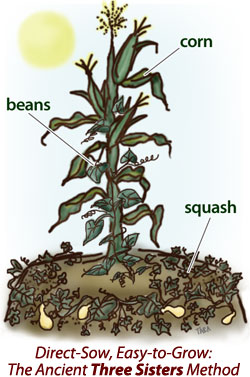
You can practice this type of farming in your own home as well! For those who have outdoor gardens, instead of planting your crops grouped up together, consider alternative planting strategies, and example being the Three Sisters garden. Three Sisters gardens were originally developed by Native Americans. The three crops that this technique is built off of includes corn, beans, and squash. How and when each crop is planted aids in the others crops survival while simultaneously increasing the nutrients available within the soil.


A Solution to Overgrazing and Desertification in the United States

Other regenerative practices include Regenerative Grazing. Currently in the United States, many commercial ranches and farms raise cattle, and/or other ruminates like sheep or goats, in open fields where they are allowed to graze freely. In doing so, these farms actively allow their cattle to overgraze fields of grass, slowly deteriorating the soil causing desertification.

Sourced from USDA National Resources Conservation Service.

Overgrazing occurs when cattle are allowed to continuously graze on a single patch of land. When this happens, the grass cannot grow efficiently resulting in less growth overall causing the cows to graze more since less grass is available. Eventually, this negative feedback loop results in extremely dry and eroded soil causing desertification.

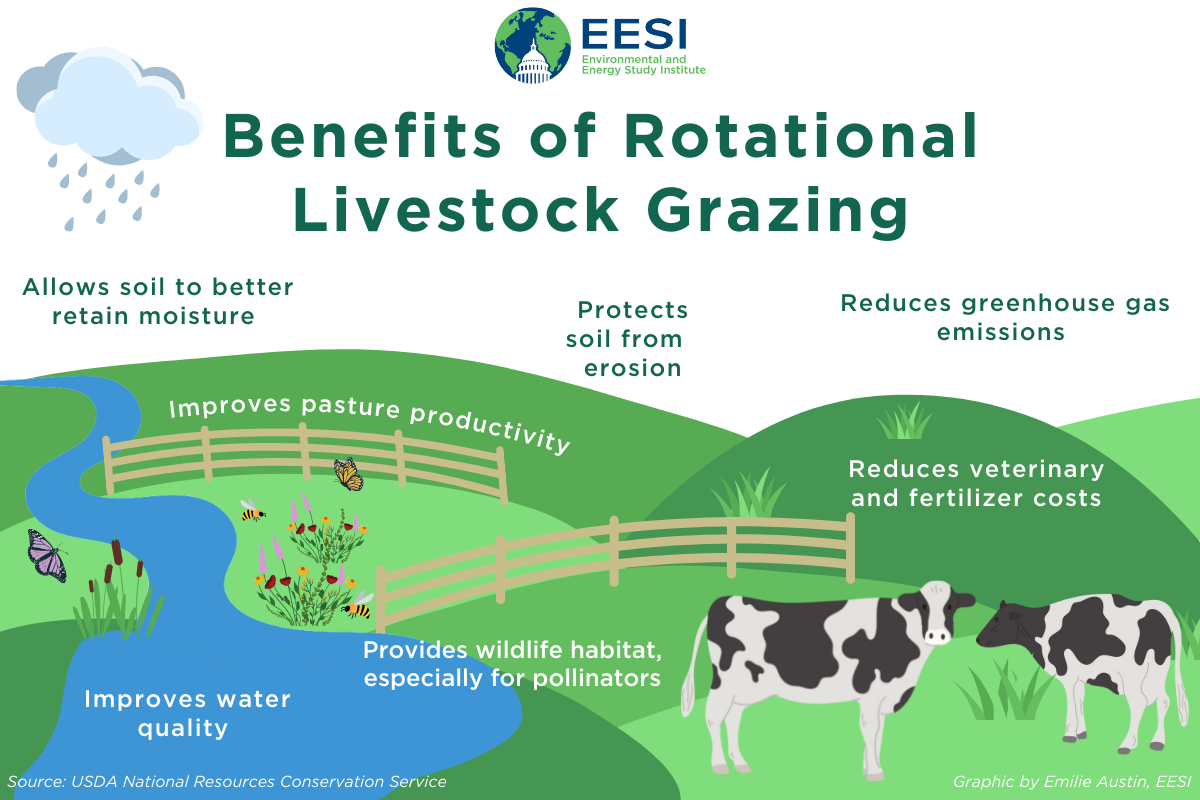
In order to counteract overgrazing and desertification, farmers like Gold have started to utilize old school strategies like intensive rotational grazing. Rotational grazing reflects ruminates natural grazing behavior, where cows would remain in herds and graze in small areas to remain safe. In utilizing this behavior as a farming technique, Gold began to isolate his Scottish highlanders to one paddock where their grazing is concentrated. While grazing, the cattle will also start to fertilize the soil with their manure, aiding in future grass growth. After the grass in one paddock gets eaten down, Gold then moves his cattle to the next adjacent paddock where the process begins again. Once the herd moves from one paddock to the next, they won’t visit the old paddock until grass has been able to fully grow and accumulate high amounts of biomass, usually a cycle of about 60 days.

"I try my best to mimic nature -" Gold says.
Cattle vs. Plant Earth, Gold Shaw Farm, YouTube

The Integration of Trees and Shrubs into Regenerative Agriculture Practices

One last pillar of regenerative agriculture includes Agro-Forestry. Agro-forestry is a set of agricultural practices that integrate food producing trees and shrubs into traditional farming systems. In this strategy, particular attention is given to native plant diversity and ecosystem interactions. There are several strategies to agro-forestry, with the most common one being food forests. Here each layer of the seven layer plant system has some contribution to the health of the whole system.

Another example of agro-forestry are permaculture orchards. A permaculture orchard is basically an ecologically conscious and strategically planted food forest, where trees are planted in plantation like fashion. The defining features of a permaculture orchard begin with the word Permaculture. Permaculture, coined by Bill Mollison, is a the act of consciously designing, building, and maintaining an agriculturally productive ecosystem, or creating a permanent agriculture. Therefore, permaculture orchards are not only for agricultural use, but are designed to serve several functions within the native ecosystem.

A Duck Farmers Permaculture Orchard – Gold Shaw Farm, YouTube

Within his 150-arche farm, Gold has been able to create his very own permaculture orchard. Since the beginning of Gold Shaw Farm, Gold has been cultivating native tree and shrub species from Northern Vermont, including hazelnuts, elderberries, mulberries, black locus, and chestnut trees.

Overall, the use of rotational grazing and permaculture orchards can combine to create another regenerative agricultural practice, known as silvopasture. In silvopastures, there is a deliberate interaction with tree and livestock operations, where rotational grazing is used as the key to managing wooded or pastured orchards. Here, as the cows graze they are covered and cooled by shade the trees provide. The trees in turn are protected from any invasive plants or weeds while also being provided nutrients from manure fertilizing the soil. In addition to livestock and orchards, silvopasturing can involve other farm animals like chicken, ducks, and geese, which help to spread manure and eat excess bug larvae left over.

An example of a silvopastsure; sourced from the USDA.

At the end of the day, regenerative agriculture is aiming to save the world by reducing CO2 emissions, decreasing deforestation, improving the quality of soil and increasing the nutrients within the soil. Through entertaining and educational videos via YouTube, TikTok, Facebook, and Instagram, Morgan Gold shares his life on the farm. By utilizing regenerative agricultural techniques such as no-till farming, intensive rotational grazing, permaculture orchards, and silvopastures, Gold Shaw Farm is doing its past in saving the world.

Touring a Permaculture Orchard in Vermont – Gold Shaw Farm, YouTube

You can follow the adventures of Morgan and Allison on instagram @goldshawfarm.


References

Díaz, S., Settele, J., Brondízio, E. S., Ngo, H. T., Guèze, M., Agard, J., … & Sharma, N. (2019). Summary for policymakers of the global assessment report on biodiversity and ecosystem services of the Intergovernmental Science-Policy Platform on Biodiversity and Ecosystem Services. Retrieved from https://www.scienceforbiodiversity.org/assets/docs/ipbes_global_assessment_report_summary_for_policymakers_en.pdf

Natural Resources Defense Council. (n.d.). Regenerative agriculture: 10 practices to regenerate soil and increase farm productivity. Retrieved from https://www.nrdc.org/stories/regenerative-agriculture-10

Permaculture News. (n.d.). What is permaculture? Retrieved from https://www.permaculturenews.org/what-is-permaculture/#:~:text=Permaculture%20(the%20word%2C%20coined%20by,and%20resilience%20of%20natural%20ecosystems.

Smith, P., Martino, D., Cai, Z., Gwary, D., Janzen, H., Kumar, P., … & McCarl, B. (2007). Agriculture. In Climate change 2007: Mitigation. Contribution of Working Group III to the Fourth Assessment Report of the Intergovernmental Panel on Climate Change (pp. 497-540). Cambridge University Press.

USDA National Agroforestry Center. (n.d.). Silvopasture. Retrieved from https://www.fs.usda.gov/nac/practices/silvopasture.php

Ferret in the Hole: The Black-Footed Ferret’s Fight for Survival

Figure 1. Current distribution of Mustela nigripes in the United States. Image adapted from the IUCN Red List of Threatened Species. Version 2022-2

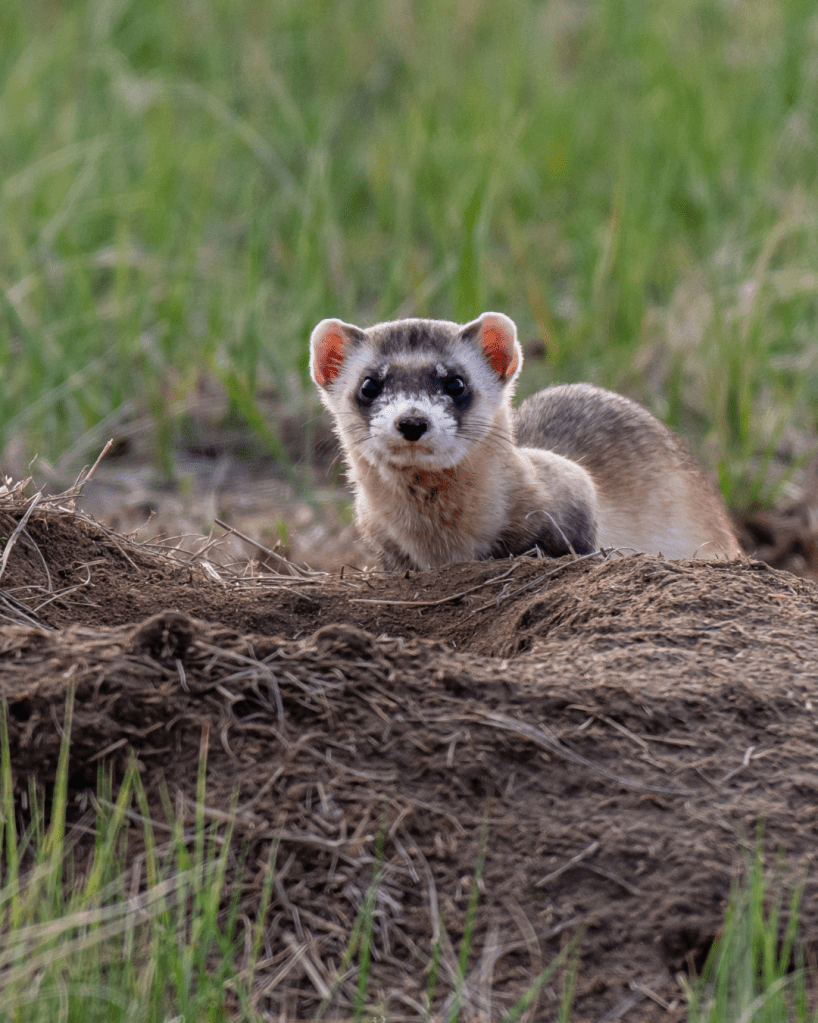
In the sprawling tapestry of North America’s Great Plains, the black-footed ferret (Mustela nigripes) emerges as a creature of nocturnal mystique and ecological intricacy. Dwelling in the grasslands and prairies, these mammals have intricately woven their existence with the burrows of prairie dogs, their primary prey. Their solitary nature is briefly set aside during mating and rearing, creating a delicate balance in their subterranean realms. The ferret’s unique dependency on prairie dogs not only defines its ecological role but also limits its distribution, making it a poignant symbol of the interconnectedness of life.

See Figure 1. for the Overall Distribution of black-footed ferrets in North America.


A Battle for Conservation and Recovery

The black-footed ferret has endured numerous hardships in its battle for survival, including consequences of habitat loss, the spread of disease, and a genetic bottleneck that threatened the continuation of the lineage.

In the late 1800s, the sylvatic plague was introduced to North America, likely via imported rats from Asia. This disease, caused by the bacterium Yersinia pestis, can be transmitted through flea bites. The plague was given its name for the bacterium’s occurrence in wild rodents, such as prairie dogs and other small mammals, as it can have devastating sway over their survival.

Predatory species can become infected with pathogens when they feed on infected animals. In the case of M. nigripes, the disease quickly spread throughout the Great Plains, resulting in the widespread decline of prairie dog populations. As a result, the population of black-footed ferrets also declined rapidly (Biggins et al., 2016).

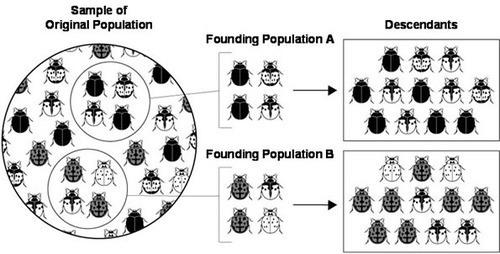
M. nigripes’ complex mating system posed a significant challenge to the already small population’s breeding efforts. Consequently, the available genetic pool for offspring outcomes shrunk to only 18 individuals, with just 7 of them deemed viable to breed (Santymire et al., 2017). This led to a founder effect, reducing the population’s genetic diversity significantly. The founder effect can lead to a loss of genetic diversity and the fixation of harmful alleles, causing genetic disorders and decreased fitness in the population.

Take a look at the diagram below for a visual demonstration of how this works in wild populations:

Sourced from Mindfuller, Tumblr.

To address the difficulties of the bottleneck event, conservationists have worked tirelessly to save the species. One of the innovative strategies was the establishment of a black-footed ferret boot camp. This intensive training program replicates habitat conditions in the wild, exposing ferrets to prey, and encouraging hunting tactics. Before relocation, ferrets receive a vaccine against Y. pestis, which remains a significant threat to the species, and are gradually exposed to different stimuli to prepare them for their eventual release into the wild (Poessel et al., 2009).

Sourced from the U.S. Fish and Wildlife Service

Despite these efforts, the bottleneck that the black-footed ferret population underwent still poses a significant challenge. The resulting founder effect led to a reduction in genetic diversity and the fixation of harmful alleles (varations of genes). Even with subsequent releases, the population’s genetic diversity remains limited. As a result, continued efforts are required to mitigate the founder effect’s consequences and guarantee the species’ long-term viability.


Current Conservation Status

Mustela nigripes is listed as endangered under the Endangered Species Act, with a estimated remaining wild-population of 206 individuals (IUCN, 2023). Intensive conservation efforts spanning several decades have focused on recovering the population size and distribution to a level that would facilitate down-listing to a less imperiled category. M. nigripes is primarily managed and recovered by the U.S. Fish and Wildlife Service (USFWS), which has created a detailed recovery plan outlining specific criteria for success. The USFWS plan seeks to establish self-sustaining populations of the ferret in at least three different eco-regions, increase genetic diversity, and mitigate threats from pathogens like Y. pestis (USFWS, 2013).

The journey of M. nigripes from the brink of extinction to a viable population is a testament to steadfast conservation efforts. Ensuring the survival of the ferret is critical for preserving our planet’s biodiversity and proper ecological balance. With further endeavors, we can ensure the black-footed ferret remains a symbol of resilience and a reminder of the importance of adaptive management.

Stay Adventurous,

Olivia Grace


References

Biggins, D.E., Hanebury, L.R., Miller, B.J., Powell, R.A., Ramey, C.A., Rodenhouse, N.L., Santymire, R.M., Shipley, L.A., Vargas, A., and Eads, D.A. 2016. Spatial and temporal variation in black-footed ferret resource selection within a black-tailed prairie dog complex. Journal of Mammalogy, 97(6), 1596-1610.

Miller, B., S. Reading, and J. Forrest. (2011). “Prairie Night: Black-footed Ferrets and the Recovery of Endangered Species”. Smithsonian Books.

Poessel, S. A., Biggins, D. E., Santymire, R. M., Livieri, T. M., Crooks, K. R., Angeloni, L. M., & Angeloni, I. (2009). “The Black-Footed Ferret Recovery Implementation Team: progress and challenges”. In Recovery of the Black-Footed Ferret: Progress and Continuing Challenges (pp. 135-152). Springer, Boston, MA.

Santymire, R. M., Livieri, T. M., Branvold-Faber, H., Marinari, P. E., & Wildt, D. E. (2017). Reproductive success of captive black-footed ferrets (Mustela nigripes) managed by the Black-Footed Ferret Species Survival Plan. Zoo Biology, 36(1), 17-27.

U.S. Fish and Wildlife Service. (2013). Revised Recovery Plan for the Black-footed Ferret (Mustela nigripes). U.S. Fish and Wildlife Service, Mountain-Prairie Region, Denver, Colorado.

Wisely, S. M., McDonald, D. B., Buskirk, S. W., & Sustaita, D. (2002). “Genetic diversity and fitness in black-footed ferrets before and during a bottleneck”. Journal of Heredity, 93(4), 231-237.

IUCN Red List

Additional Resources

Biggins and Miller, 1998: Information on the transmission and effects of sylvatic plague on rodents.

Miller and Biggins, 2003: Information on black-footed ferrets as obligate predators of prairie dogs and their susceptibility to sylvatic plague.

Rocke et al., 2010: Information on the introduction of the sylvatic plague to North America and its effects on prairie dogs and black-footed ferrets.

Think Pink: What the Roseate Spoonbill Can Teach Us About Adaptability in the Face of Climate Change

            Written by Autumn N. Bryan

Figure 1 – Roseate Spoonbills 11 – Audubon, Guide to North American Birds (Cynthia Hansen)

            Raucous, bustling colonies of Roseate Spoonbills once flourished along the Florida coast and throughout its wetlands. Now, the painted, powder-pink birds are struggling inland, driven from their once robust ecosystem by the effects of climate change and man-made “restoration” efforts. More than a million wading birds once lived in the Everglades, however, plume hunters and the destruction of their diverse habitats have radically diminished their numbers. Over the last 20 years, since their initial recovery in the 1970s, the spoonbills have abandoned their longtime nesting grounds in the South. In the Florida Bay alone, their numbers have depleted from around 400 active nests in 2012 to 157 this past season – a fact diligently recorded by Jerry Lorenz, director of Audubon’s Florida Everglades Science Center. Sea levels are rising, becoming too deep for the spoonbills and driving the pink-feathered fowls out. To the North, where warmer winters and saltier soils have prompted the growth of mangroves, Roseate Spoonbills now nest. Just as the visceral effects caused by climate change have destroyed local habitats, they have also made the more northern, previously hostile environments thus more inhabitable for spoonbills.

            This shift extends far beyond Florida and its colorful flocks. The birds have been spotted as far north as Quebec. As some animals are driven out, others arrive, escaping the destruction of their homes and ecosystems by way of migration. As exciting as this prospect can seem – a rapidly adapting habitat – it is equally alarming to ecologists. In barely two decades, the delicate ecosystem of the Florida Everglades has drastically changed. The effects of climate change and the northward shift of the spoonbills portends a coming transformation, one we may not be able to keep up with. Eventually, the spoonbills will not be able to migrate further north, and humans, with them, will be forced to face the crushing effects of climate change. Just as the spoonbills have adapted to such change, so too must ecologists and activists.

            The Roseate Spoonbill teaches us about the overwhelming consequences of climate change, the need for ecological conservation, and the adaptability – the need for hope and creativity and perseverance – in the face of ongoing environmental crises. According to the 2022 U.S. State of the Birds Report, more than half of North American bird species are in decline. Florida is no exception; the state has been witness to more than just the ecological destruction of wildlife and its consequential devastation to the animals that call this diverse ecosystem home. Many indigenous local tribes have been displaced due to political and environmental violences, including human inference and the incurrence of climate change. Flourishing among the coastal mangroves of the Florida Gulf Coast, the Calusa tribe lived in harmony with the Everglades wildlife.The Calusa Indians fished for food along the coast, bays, and rivers. They made fish-bone arrowheads for hunting and built their homes on stilts. The Calusa are considered to be the first “shell collectors,” using the husks as tools, jewelry, and ornaments for shrines. Today, some shell mounds leftover by the Calusa still stand and are protected by environmentalists and conservation groups. The land there is alive, is a living history. The Indigenous people of the Everglades understood this and worked with what the land provided.

            During the Spanish invasion of Florida in the 1600s the Calusa were decimated. By the 1760’s the Calusa had been wiped out almost entirely, despite a long and powerful reign. Today, approximately 4,400 Native Americans – the Seminole and the Miccosukee tribes – live within the wetlands, though their lives have been irrevocably changed. They still live in balance there with the wildlife, adapting to the seasonal shifts of the Everglades, the ever-changing water levels and the wildlife populations. But Frank, a Miccosukee man, in an article about indigenous tribes in the Florida Everglades, admits, “Our way of life is gone… We lived our way in the Everglades, the happy way, the good way. When I was young, you could drink the water. You could hunt and fish, and that was your lifetime” (Gillis). Now, the infrastructure of their lives has been decisively changed. Frank’s ancestors are buried in the Everglades. Their remains supply the nutrients and foundation on which local trees and plants grow – trees and plants that are harvested for food, tools, medicine, and other supplies used by the Miccosukee people. This communal way of life, working in cooperation with the land, is a testament to our ability to coexist harmoniously.

            As climate change threatens the future of the Everglades, and the Miccosukee way of life, their adaptability and resilience may hold the keys to survival. The indigenous people of the Everglades have forged a sense of identity and community amid the changes wrought by climate change and colonialism. Today, members of the Miccosukee tribe (approximately 550 individuals) work toward environmental conservation and education, sharing their centuries-old traditions and practices with curious visitors. They have three reservation areas in the state of Florida: Tamiami Trail, Alligator Alley, and Krome Avenue. Their dedication to the Florida Everglades is evident in their commitment to the land and their attempts to carry on with the traditional Miccosukee way of life. They still work to evade settlement pressure and defend their right to the land. This indigenous diaspora, and the diaspora of the Roseate Spoonbill, reminds us that despite their determination, we owe more to the lives of those who originally inhabited the plains and wetlands of The Sunshine State.

            The Everglades, described as a sopping prairie wetland, a 3-million-acre swamp, or the widest, slowest-moving river in the world, is home to over 800 species, including 30 threatened or endangered species and several endemic animals not found anywhere else in the world. Nearly 100 miles long and 60 miles wide, the Everglades trickles downhill, moving, at a barely perceptible slope, fresh water and nutrients toward the sea. This “river of grass” supported indigenous peoples for over 5,000 years. The Everglades is a unique ecosystem home to a rich cultural history. The spectacular diversity of the swamp is complemented by the diverse lifestyles and cultures of the people there. The ways of life that have evolved in the Everglades are as fragile as the threatened ecosystem. The Calusa and Seminole tribes were all but exterminated by diseases introduced from European arrivals and war campaigns pursued by then President Andrew Jackson. Though they never surrendered, U.S. military seized their lands in the mid-1800s. Thus began a grueling process of reengineering the Everglades for recreational use that resulted in ecological catastrophe still evident today. Just as foreign invaders attempted to steal the Everglades from its original inhabitants, the land and its wildlife fought back; the swamp was all but uninhabitable to the newcomers, too wet to build cities and farms, too hostile to encourage community building. As settlers attempted to drain the wetlands disastrous flooding occurred. From the 1960s to the 1980s over 1,000 miles of artificial canals were constructed by authorities. This means humans now determine the hydrology and health of this ancient ecosystem.

            Human decision making is too often flawed, and the fate of such wild, self-sustaining ecosystems should not be determined by the egocentric demands of man. Already, the decimation of indigenous tribes throughout the years has exemplified the agonizing ramifications of human intervention. Algae blooms and fish die-offs followed the reconstructions in the 1990s as fresh water led to too-high salinity levels in areas such as the Florida Bay, once-home to those raucous and bustling colonies of spoonbills. This doomed the birds. A study done by Heather Rafferty, in partnership with Audubon Everglades Science Center, indicated that, due to the inundation of sea-level rising, 80-90% of the land in the Florida Bay historically used for foraging no longer supports the nesting of spoonbills. The Anthropocene shows no mercy, not even in the face of a sprawling swamp, ready to swallow man whole. The spoonbills have learned to adapt, however, and now thrive in more northern states where their presence has not been previously recorded. So, what can we learn from these migrating couplings of feathers, these pink, roseate spoonbilled birds?

            Spoonbills are sensitive ecological indicators. All we need to do is watch and listen. Only when conditions are just right, the water not too-deep and not too-salty, does nesting boom. The fantastic distinction of the spoonbill – its pinkish hue – is due to a diet of crustacean that imparts a dose of carotenoid to the feathers. The migration of the Roseate Spoonbill highlights (in bright, loud, bubble-gum pink) the adverse conditions of the Florida Everglades, its lack of viable nutrients, the shift in fauna, and its ever-changing fate. Ecologists studying wildlife in the Florida Everglades have learned to listen. The Comprehensive Everglades Restoration Plan legally requires South Florida’s water managers to consult ecologists before releasing fresh water into the Everglades, ensuring that the fate of the ecological community is being considered when making such drastic adjustments to the Federally protected National Park. Nature is incredibly resilient and with the right conditions life flourishes. The spoonbills have certainly learned to adapt. The ecological boom that followed such changes as The Comprehensive Everglades Restoration Plan – centering science in decision making, has confirmed the necessity of science-based environmental conservation.

            So why exactly are the spoonbills fleeing their once beloved colonies? Lorenz theorizes that because of the rising sea levels the Florida Bay and its surrounding areas are no longer fresh or shallow enough to support spoonbills. Roseate Spoonbills are highly sensitive to changes in their ecological atmosphere. Their northern shift indicates a rising sea and a fish-sparse wetland. The loss of their rose from the coastline of my homeland is an omen: a great wave of change is on its way, is already threatening the shore. The migration of Roseate Spoonbills is only one reflection of climate change. I have come to realize: though there are creatures still thriving among the proproots of this swamp, we are wanting and adapting and fighting extinction amid these wetlands every day. The ocean is winning. Saltwater is intruding into South Florida in part because of the destruction of the Everglades’ historically freshwater flow. The modifications made by humans in hopes of altering the natural surge have left a vacuum for the ocean to fill. The original foraging grounds are too deep, the mudflats are too dry, and the salinity of once-freshwater fields is high, too-high in salt. Where once we heard the songs of familiar birds there is silence.

            A silent wetland is an ominous one. Previously filled with the sound of honking spoonbill hatchlings, the quiet of the swamp feels like a death-sentence. These birds, which once spoke to a flourishing ecosystem, no longer tell us about freshwater flows and restoration; their absence sends an urgent message about global climate change. It is not yet known if this drastic northern shift will be a successful adaptation to climate change or an ecological dead-end, failing to support the population of spoonbills longterm. Many bird species undertake long exploratory flights, but roseate spoonbills, in the past, have always raised their young within miles of their own hatchings. Many species are responding to the warming climate and the spoonbills are not moving alone. Woody storks and ibises, sea turtles, manatees, coastal fish, and alligators are all shifting north. Ecologists expect similar shifts across the globe and though many species are learning to adapt, this shift could be catastrophic for supporting species. This means a massive overall ecological deviation. It is intimating to say we just don’t know what the future holds. How will other species adapt? Not only to the warming climate, but also to the more southern species now occupying their homes – Where will they find refuge?

            Temperatures are not the only thing on the rise. Extreme weather events occur more and more frequently and are historically devastating. Florida especially is susceptible to powerful hurricanes. These storms can tear down homes and rip protective mangroves from the peat, jeopardizing our fragile ecosystems and millions of people. Faced with the harrowing reality of climate change, ecological managers have set a new goal for restoration: a resilient Everglades that can survive stressors and bounce back to provide necessary habitat to hundreds of species. Long-planned restoration projects are finally bearing fruit, increasing the flow of fresh water into the Florida Bay, slowing the infiltration of South Florida by the sea, and replacing destroyed areas with rivers and floodplains. These benefits go beyond protecting habitat. Healthy wetlands provide mangrove forests that buffer hurricanes and prevent flooding. Aquifers tapped for drinking water are slower to fill with salinity, ensuring fresh water is available, and sustained livelihood, for all of us.

            The land adapts and we must with it. The world and the refugees themselves are changing. However, not all species may find refuge nearby. This makes preserving current safe havens critical to preventing wildlife extinctions. Supporting the conservation of necessary ecological estuaries is mutually beneficial for all, ensuring a future in which we can all enjoy the roses. The spoonbills have abandoned their colonies for more lustrous and fresh-water-fish enriched wetlands, but their battle continues. They are only the pinkest of climate change indicators, adapting to the warming temperatures and the unstable land. In the growing swelter of climate change, the Roseate Spoonbill has adapted marvelously, expanding its range, and providing a pretty pink lining to the otherwise dark cloud known as the Anthropocene. But as environmental injustices proceed, and ecological destruction continues, we must be willing to listen to the voices that know best: those indigenous to the land.


Works Cited

Chiacchio, Angelo. “People of the Everglades.” Google, Google Arts & Culture, https://artsandculture.google.com/story/_QUBbf6B2MeHFA. 

“Everglades Restoration Timeline.” Everglades Law Center, Everglades Law Center Inc., 13 Dec. 2022, https://evergladeslaw.org/everglades-timeline/. 

Gillis, Chad. “Tribes in Florida’s Everglades Pay Price of Prosperity.” USA Today, Gannett Satellite Information Network, 24 Mar. 2014, https://www.usatoday.com/story/news/nation/2014/03/24/florida-everglades-tribes-pay-price-of-prosperity/6827375/. 

Hansen, Cynthia. “Roseate Spoonbill 11.” Audubon, Guide to North American Birds – Roseate Spoonbill, https://www.audubon.org/field-guide/bird/roseate-spoonbill#photo11. Accessed 3 Jan. 2023.

Lanham, J. Drew. “Pretty in Pink – The Roseate Spoonbill Is Nature’s Predilection for Garishness Come to Fruition.” Sierra Magazine Winter 2022 Page 49, Sierra Club, 14 Dec. 2022, https://digital.sierramagazine.org/publication/?i=770798&p=51&view=issueViewer.

“Native People.” National Parks Service – Everglades National Park Florida, U.S. Department of the Interior, 14 Apr. 2015, https://www.nps.gov/ever/learn/historyculture/native-people.htm. 

“The Calusa: ‘The Shell Indians.’” Exploring Florida, Florida Center for Instructional Technology, College of Education, University of South Florida, 2002, https://fcit.usf.edu/florida/lessons/calusa/calusa1.htm.

Waters Senior, Hannah. “The Flight of the Spoonbills Holds Lessons for a Changing Everglades-and World.” Audubon, 6 Dec. 2022, https://www.audubon.org/magazine/winter-2022/the-flight-spoonbills-holds-lessons-changing. 

Zambello, Erika. “Climate Change Moves Roseate Spoonbills in Florida Bay.” Audubon Florida, 11 Jan. 2022, https://fl.audubon.org/news/climate-change-moves-roseate-spoonbills-florida-bay. 

Exploring Biodiversity

The value of biodiversity is that it makes our ecosystems more resilient, which is a prerequisite for stable societies; its wanton destruction is akin to setting fire to our lifeboat.

Johan Rockstrom

What is biodiversity?

The term biodiversity refers to the multitude of living species on Earth and their incredible variations. There are no exclusions for organisms when describing total global biodiversity, meaning organisms from all three domains of life are included. These domains are referred to as Bacteria, Archaea, and Eukarya. The relationships of these groups can be seen in the image below.

The three domains of life: Eukarya, Archaea, and Bacteria.

Members of Eukarya include eukaryotic organisms such as plants, animals, protists, and fungi. Archaea includes organisms such as retroviruses, and bacteria includes microbes such as E. Coli (a common cause of food poisoning). Archaea are unicellular organisms that lack a true nucleus (organelle that contains the genetic information of an individual), which distinguishes them from their nucleated counterparts Eukarya and Bacteria. Despite sharing similarities when compared to Archaea, members of Eukarya differ from Bacteria as these organisms are multicellular and have their organelles (functional parts of the cell) surrounded in individual membranes. Members of Archaea are commonly represented by those organisms that live in extreme conditions such as in the Dead Sea (‘salt-loving’ halophiles) or in volcanoes (‘heat-loving’ thermophiles).

Depending on the ecological system being described or studied, the scope of biodiversity might be confined to a particular location or groups of locations. When we describe the biodiversity of organisms at one particular location, we refer to this as an assessment of alpha diversity (α diversity). This measurement is particularly useful for understanding what mixture of species are present within an area.

For example, if you were to measure the alpha diversity of a park in city of Chicago, you may include up to a mixture of 155 species of birds depending on the location of the park, numerous insect species, plant species, etc. Regardless of the type of species, because we have established our area of study as the park, every living species within the park will be included in the alpha diversity assessment.

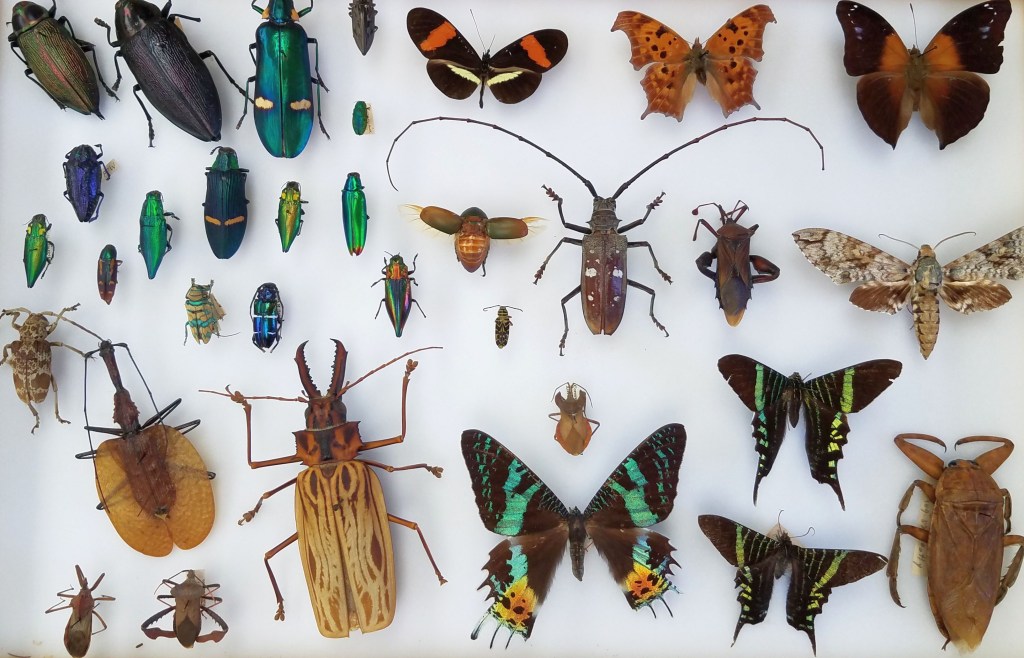
(C) Penn State | Insect Biodiversity Center

When multiple locations are taken into consideration, this becomes what is considered a beta-diversity (β diversity) assessment. This type of assessment can be incredibly useful when assessing large regions for biodiversity. For example, β diversity is beneficial for assessing the biodiversity of a country, or a large region of land such as a state. In this application, alpha assessments are taken at many different habitats, and compiled in a beta diversity application.

The scenarios given above for α and β diversities involve looking at an ecosystem level. These terms can, however, be applied to smaller scales, for instance looking at the biodiversity among a certain species (either from observable characteristic or genetic differences).

The video below is a great example at looking at species diversity within ants in the Gorongosa National Park (Mozambique, Africa).


How does biodiversity arise?

Within every organism, there is a sequence of genetic information that makes up every characteristic of that individual. From time to time, sequences must copy themselves in order to create new cells or pass on genetic information. A nature-made machine, editing enzymes are not perfect and occasionally make errors. These mistakes involve either adding in a base pair that doesn’t below (e.g., AATCG becomes AATGCG), removing a base pair altogether (e.g., ACGT becomes AGT), or swapping one base pair with another (e.g., ACCT becomes ACCG). Changes such as these can be fatal depending on the location of the change, or can have no effect on function. Occasionally, errors (also known as mutations) can alter a function within the organism without being fatal, resulting in a change of a visible characteristic. If these mutations are heritable (or within the cells to be used during fertilization), they can be passed on to new generations.

With new genetic potential, if a particular change in function is beneficial to an organism, these characteristics boost this individual’s chance for survival–heightening its chance of passing along this beneficial mutation to more offspring. Over time, accumulation of desirable characteristics in a population begin to shift the genetic pool available during mating events. Through directional selection, or a movement toward a beneficial trait in a population, these organisms become more similar to each other at the sequence where the mutation occurred. Errors in sequencing will continue over time, and those that occur in heritable cells (sperm, egg, etc.) might allow for survival against a new environmental factor, contributing to further shifting in genomic patterns and eventually allowing for the possibility of a new species with unique traits to emerge.

With enough geographic isolation or lack of gene immigration from outside populations, mutations in a population accumulate and eventually can cause populations of what were once the same species to now be genetically distinct enough to be considered different species.

What are the pressures that could shape an organism’s survival?

In the context of mammals, after the mass extinction of dinosaurs in the Cretaceous period (estimated 145.5 million years ago) a wide range of habitats became available for surviving creatures to colonize. One lineage became especially adapted to new modes of life, eventually extending a branch providing us humans (Homo sapiens) the opportunity to wonder about these foundational moments in history.

The video below is an illustration of the new habitats created for ancestral mammals and the selective pressures driving the adaptations needed to thrive in them.

Perhaps one of the most cited examples of colonization into new habitats is a case of adaptive radiation in Darwinian Finches (1800s). The term adaptive radiation refers to the same logic we set forth earlier, stating that organisms that invade available niches will have selective pressures from the environment on traits that encourage their success. Organisms with beneficial mutations or heritable abilities will survive, pass on their genetic information, and in turn a new species of organisms can emerge over time, now adapted to this new habitat.

Below is another HHMI BioInteractive video I recommend on evolution in Galapagos finches observed by Charles Darwin.


What is the significance of biodiversity?

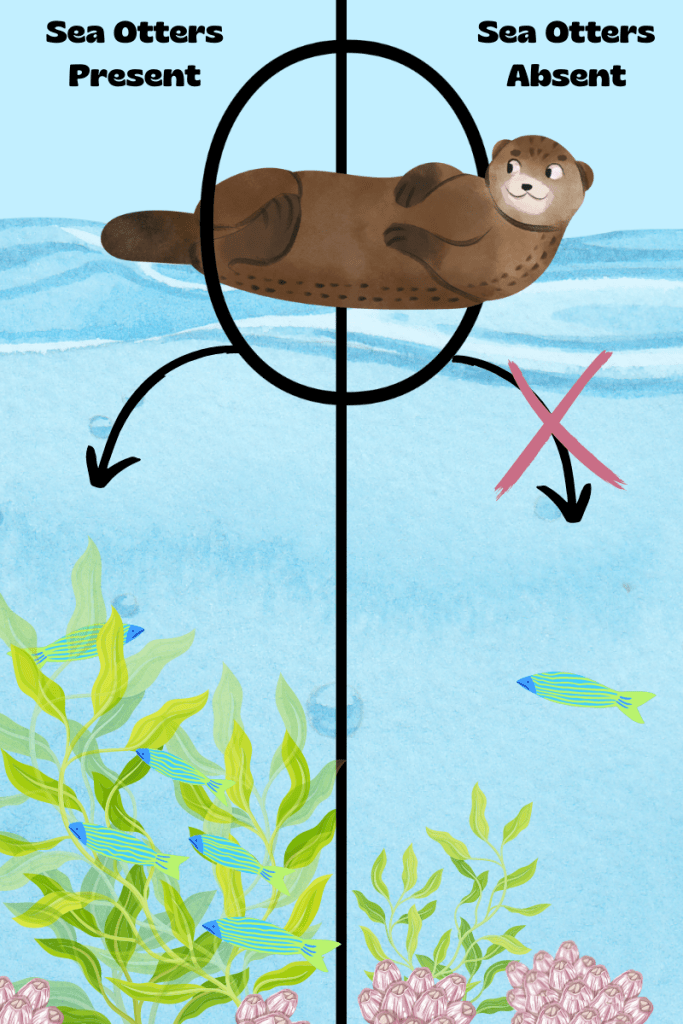
Once biodiversity is established in an area, there are heavy consequences for its collapse. The greatest example of this is with the removal or eradication of keystone species. These organisms are foundational species for an area, meaning their presence keeps the living systems surrounding them regulated. When removed, the ecosystem shortly collapses. One example is the sea otter! As illustrated in the image to the right, when sea otters are present in their environment, barnacle populations remain at low sustainable levels, allowing lush kelp forests to grow and provide shelter for a wide array of aquatic biodiversity. When sea otters are removed from their environment, barnacle populations grow exponentially without predation, resulting in a reduction of kelp forests. Once home to many fish species, without kelp these organisms must find new homes, and as a result are either forced to leave the area or are exposed to predators and collapse themselves.

Non-keystone species also have ecological roles in their environment, which can cause domino effects for species that rely on interactions with them or something they were directly involved with. For instance, some caterpillars are known to take place in what is known as ecosystem engineering. This means the organisms are altering their environment in some way, which in turn can be useful for other creatures. In the case of caterpillars, many will create sheltered burrows in rolled-up leaf material. These burrows remain once the caterpillar no longer needs them, and is then used as a home for many different types of insects.

Regardless of ecological status, all species comprising our global biodiversity contain intrinsic value for their representation of millions of years of evolutionary lineages and evolutionary potential.


How is biodiversity conserved?

At the heart of the drive toward conservation rests governmental policy. Unfortunately, organized citizen by citizen efforts to be conscious about their environmental interactions are limited by the amount of people educational platforms and word of mouth can reach. Only through true government-mediated policy–be that local or federal–will large scale conservation efforts be able to go into effect.

Conservation laws specifically targeting keystone species are incredibly beneficial. Under these policies, not only is the habitat of that keystone species protected, you are in turn automatically conserving the habitat for the other species that occupy the area. The term for this is having an umbrella species, meaning the conservation of one implies conservation of a vast amount of other species. Umbrella species do not always have to be considered a keystone species, but do have to share habitat parameters with other organisms for them to be inherently included in the conservation efforts.

In situations where an organism is dwindling and is not considered an umbrella species, conservation efforts may not benefit other individuals, and thus more efforts may be required to conserve many species in a particular area. To get involved in the politics underlying conservation, it is encouraged to search periodically for bills being presented and contact your local representatives to express desires for the passing of these policies.

Ultimately, awareness within the general public of conservation-related issues and personal, consistent interaction with local government officials is the pathway for driving ecological reform.


Every individual can make a difference in the fight against biodiversity loss!

Ways to Get Involved with Conservation

1) Educate yourself. Stay up to date on current issues in conservation biology. To do this, there are a few options for quick-resources on the latest topics: Eco News Now | Phys Org | Nature Portfolio.

2) Contact your local officials! Stay up to date by searching for current conservations bills being presented to legislators, and make your desires known! To find your representatives, you can use this White House search tool.

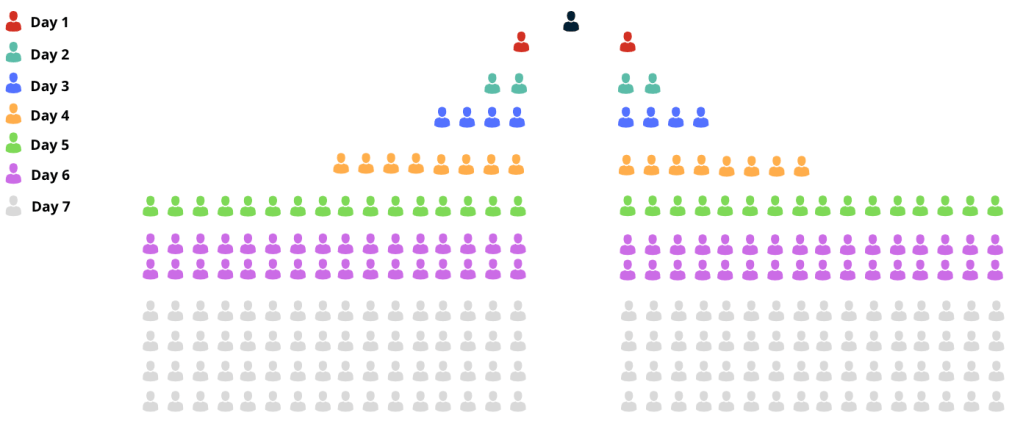
3) Spread Awareness! Even if you cannot contribute at the moment, ambassadorship for conservation biology can spread to someone who might be able to.There is exponential growth with spreading the word! Even spreading information to two individuals on a Monday, if each person tells two other people the next day, you have the potential to have reached 254 people by the end of the week (see the figure below)!

An example of the impact of educational spread.

4) Volunteer your time. It is best to make an impactful difference in a chosen area, so be sure to not spread yourself too thin! Many organizations offer volunteer opportunities, such as local preservation chapters and zoos. To find opportunities in your area, quick internet searches are often very effective. To save time, Our Endangered World has created a list of opportunities and subsequent ways to find organizations. Visit this information here.

Citizen scientists in action! Photo Courtesy of the Urban Turtle Project | Birmingham, Alabama (est. 2018)

5) If you do not have time to volunteer, do not fret! There are many ways you can symbolically adopt animals, many of which are housed in zoos and other preservation agencies. Here are examples of symbolic adoption packages offered by WWF (World Wildlife Fund, Inc.).

6) Contribute to citizen science! Getting involved with citizen science projects is an incredible way to experience current research first-hand. One example in Birmingham Alabama, The Urban Turtle Project, allows citizens to help in the capture and counting of turtle species across the state. To learn more about this organization, you can follow this link.


For additional information on conservation biology and the importance of biodiversity, you can view the attachment videos following this article!

Stay Adventurous,

Olivia Grace


Additional Resources: Educational Videos

TEDEd Talk on the Importance of Biodiversity


Crash Course on Conservation and Restoration Biology

Diving Deep: the Sea Angel

 © Monterey Bay Aquarium

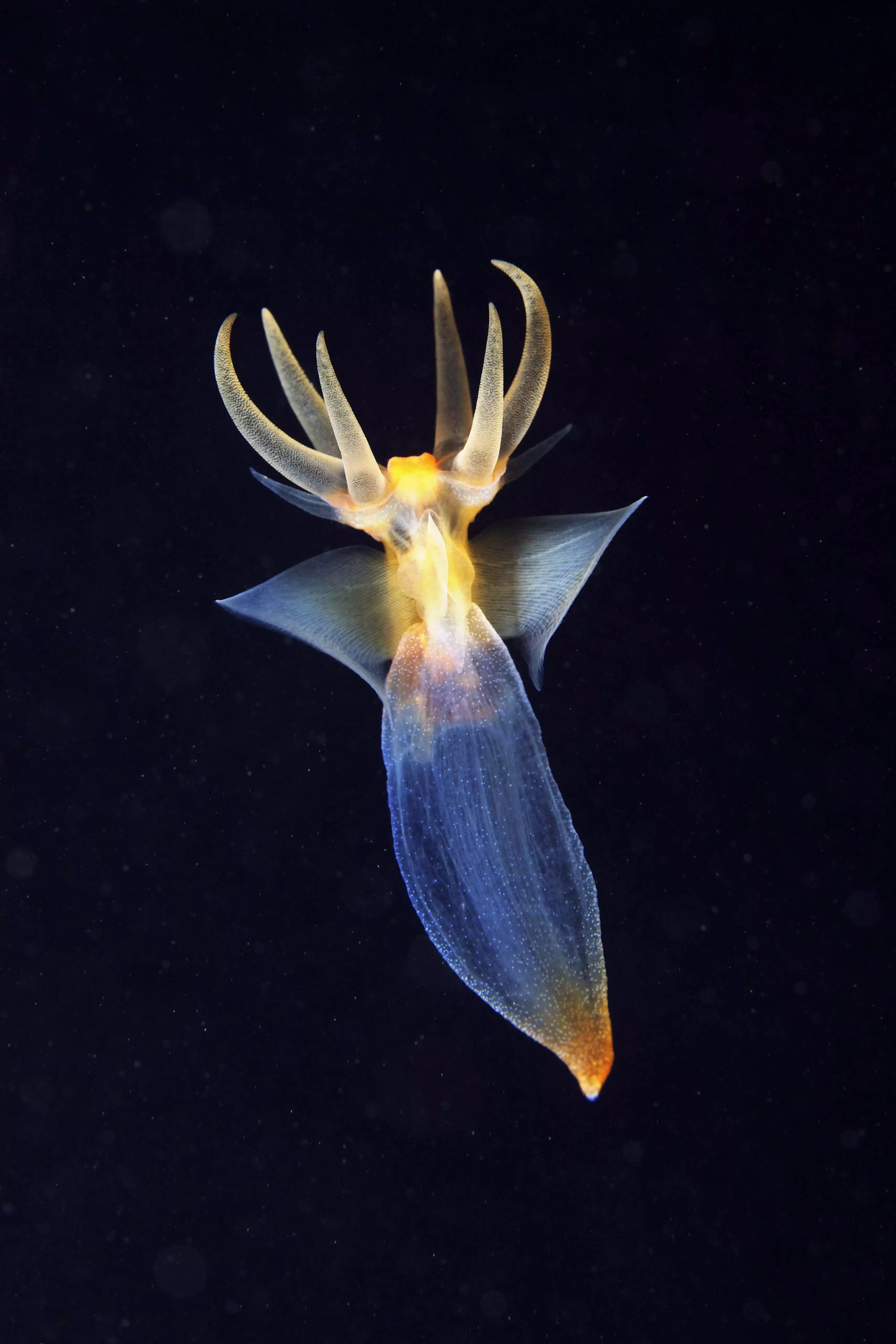
Using a pair of winglike structures, the sea angel propels itself gracefully through the deep waters of the ocean. Sea angels look quite ethereal, with translucent bodies and internal organs of pink and orange. However, despite its celestially inspired name, the sea angel is not so angelic in disposition as they in fact are fierce predators of the deep. 

Development and Habitat

Sea angels, Clione limacina, are invertebrates within the phylum Mollusca. Despite their shell-less appearance, these organisms are classified with other snails! Though bare in adulthood, these organisms were not always in this state. Representatives of C. limacina are born with shells that are shed upon adulthood, leaving them with soft gelatinous bodies for later in life. The visible ‘wing’ structures, also known as parapodia, are homologous (or similar due to common ancestry) with the muscular foot used by land snails for locomotion.

Sea angels have a wide distribution in the earth’s oceans, ranging from temperate to arctic zones. Regardless of temperature, these organisms are known to dwell within the mesopelagic zone of the ocean, 200-1,000 meters, occupying only as deep as 600 meters.  

Diet and Reproduction

 © Monterey Bay Aquarium

Individuals of C. limacina are sequentially hermaphroditic, meaning they have both male and female reproductive organs with the ability to swap sexes if needed. When the mating pool becomes limited, this is an incredibly useful adaptation! These creatures are also very small, only growing to be about 5 cm at the most, but are fierce predators nonetheless.  

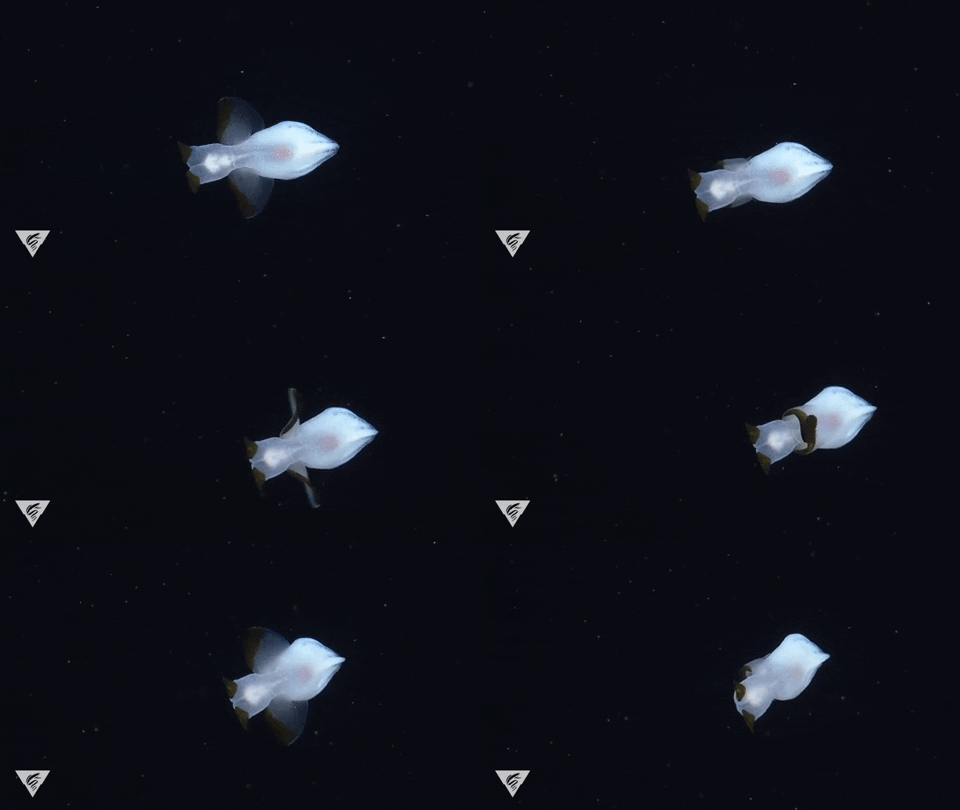
Clione limacina has a preferred diet of one its own close relatives, its sister species: the sea butterfly! Sea butterflies, like sea angels, are born with shells. Differing from the sea angels, however, sea butterflies retain their shells throughout their lifetime. Unfortunately, the presence of a shell doesn’t offer much protection against their ravenous cousins. To deal with the pesky shells of sea butterflies, C. limacina has an adaptation of tentacle-like structures, called buccal cones, that originate from their heads and latch onto prey. These buccal cones have a radula, a mouth with teeth-like structures, and hooks to scoop the sea butterfly out of its shell like a kiwi from its skin! The sea angel then devours its prey whole and flaps away to hunt down another sea butterfly delicacy. Altogether, the process of locating prey and feeding can take anywhere from two to 45 minutes. 

A favorite for now, unfortunately C. limacina might need to find a more sustainable favorite as sea butterflies are becoming increasingly endangered by ocean acidification. As the acidity of the ocean increases (or pH decreases), the calcium carbonate making up the shell of the sea butterfly disintegrates, leaving the organism vulnerable to predation and environmental variables.

Fear not, however, as the sea angel has other nearby food sources. Some of these are phytoplankton, or floating photosynthetic organisms. In fact, consuming these is the mechanism behind the sea angels’ vibrant colorations!

 © Monterey Bay Aquarium

Sea angels are an incredible example of the diverse life dwelling in the depths of our oceans, and a great reminder that size is no indication for how well-adapted an ocean predator can be.

Check back soon for more of the Diving Deep series!

References


Monterey Bay Aquarium | Animals A to Z | Meet the Sea Angel

Smithsonian | Ocean, Find Your Blue | Angels of the Sea

Monotreme Monday: the Platypus

Welcome to Monotreme Monday! This platform is a short, written series focusing on the incredible adaptations of Monotremes!

Monotremes make up one out of the three main groups in the class Mammalia , where they are most popularly known for their egg-laying capabilities. In today’s edition of Monotreme Monday, we will be focusing on the Platypus, one of the five species of monotremes still alive today.

Once being a very popular character in Phineas and Ferb, Perry the Platypus was possibly one of the very first introductions of Monotremes for many. Although depicted as a blue, beaver tailed, duck billed creature in the show, the actual appearance of platypuses is more subdued.

© Hans and Judy Besage—Mary Evans Picture Library Ltd/age fotostock

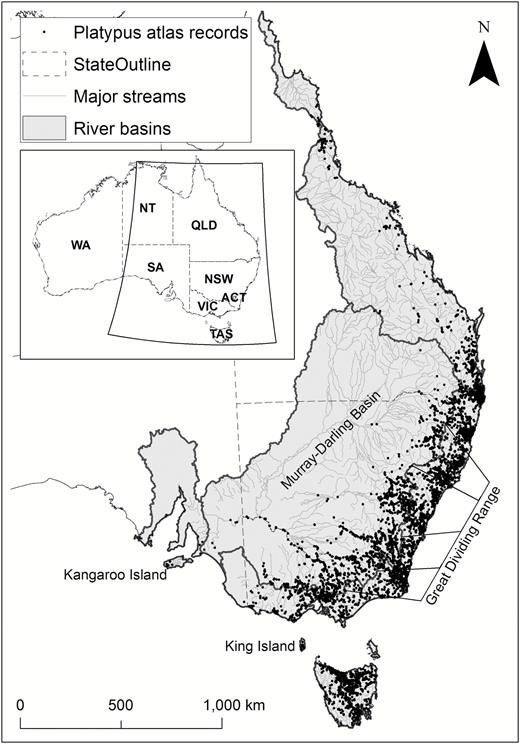
The platypus, Ornithorhynchus anatinus, is endemic to most of the eastern Australian coast along with Tasmania and King Island, seen in Figure 1; there is also a small group of platypuses that were introduced to Kangaroo Island (Bino et al., 2019). As you can see from the map, a majority of recorded sightings from the Australian government atlas shows high concentrations of Platypuses at the southeastern coast where many permanent river systems span from tropical to alpine environments (Bino et al., 2019). The river systems allow for dispersal of young to new areas of their habitat, which is a common behavior seen often in juveniles ranging from 7-8 months of age (Furlan et al., 2013).

Figure 1. Distribution of Platypus based on Australian state government records between 1760-2017 (Bino et al., 2019).

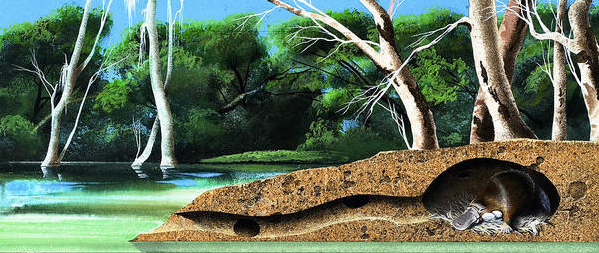
Platypuses often inhabit areas near fresh bodies of water, including a range from fast moving streams to slow-moving pools with coarse layers of substrate on the bottom. The substrate usually consists of pebbles or gravel. Here, the platypus will create an underground burrow, constructed between mangled and submerged tree roots right above water level (Bino et al., 2019). An example image of what the burrows look like can be seen in Figure 2 and 3. The platypus diet primarily consists of aquatic invertebrates including insects, shrimp, and crayfish. Less often they can also be seen enjoying other aquatic animals, including tadpoles, small fish, and aquatic snails (Grant 2015).

Figure 2. An example of a Platypus burrow hole (Art done by  David Nockels © Look and Learn).
Figure 3. A platypus emerging from its burrow near a bank (Thomas et al. 2019).

Although classified as mammals, a number of characteristics reflected in the platypus can be see in fish, birds, and reptiles. Some of these characteristics include egg laying capabilities, venomous spurs, and an electroreceptive bill.

Egg laying is not a common character seen in mammals. In fact, this trait is one of the main classifiers for Monotremes. Female Platypuses will go through a gestation period of about 21 days, where the offspring will begin to develop. After the gestation period, the female will lay her eggs in the burrow, usually producing between 1-3 eggs each breeding season. The mother will then start the incubation stage, where the eggs will be curled up to the mothers abdomen and tail for about 10 days (Grant 2015). Offspring will then start to hatch from the eggs, breaking through the eggshell with teeth that will later be lost. After hatching, the babies will experience large scale developmental changes, including the development of a bill after five days, webbed feet after 24 days, and fur growing in within the first 11 weeks of life (Manger et al., 1998). For the first three to four months, offspring will remain in the burrow protected from outside dangers. Here they will start to feed on milk produced from the mothers mammary glands. These glands are located under the skin of the mother and occupy most of the abdomen . As the lactation period begins to close around 114-145 days after hatching, the juvenile platypuses will lose their teeth and replace them with grinding pads made out of keratin (Grant 2015).

All platypuses are born with venomous spurs that are used later in life. These spurs are present in both males and females when hatched, contained within a sheath until about 9-12 months of age. At that point, females will permanently shed these spurs while the males will retain them and start producing venom (Whittington and Belov 2014). It is speculated that males use these spurs primary during matting season, causing seasonal production of venom. The platypus is the only mammal currently known to produce venom seasonally (Grant 2015, Wong et al., 2012). Although capable of causing extreme pain, and in certain cases causing paralysis to other male platypuses, the venom will only be fatal to smaller animals (Bino et al., 2019).

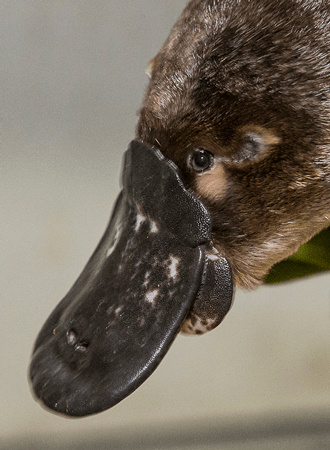
One of the most well known features of the Platypus is the ‘duck-like’ bill. Although their bill can resemble that of a duck’s, it is actually much more similar to that of a shark’s nose. The Platypus bill is made up of a 40,000+ mucous receptor glands that can conduct electric signals and acts as an antenna when searching for prey. This type of electroreception has been originally observed in fish and some aquatic amphibians. Because of this, the Platypus uses its bill as a primary tool for hunting prey (Czech-Damal et al. 2013, Fjallbrant et al. 1998). The Platypus will rely solely on its bills electroreceptive capabilities while hunting underwater and because of this has a groove on either side of its head that will shut, concealing its eyes and ears underwater (Bino et al., 2019).

Figure 3. Up close look at Platypus bill and head (© San Diego Zoo Wildlife Alliance).

Unfortunately, the platypus has faced several threats over history starting in the late 19th and early 20th century when platypus populations were being hunted for their high quality fur. This was before scientific interest really took off, and only until 1912, when the platypus became legally protected, did studies of their unique anatomy and ecology start (Bino et al., 2019). Although there have been many studies done on the anatomy, ecology, and evolution of the platypus there has been little research interest in their conservation. The platypus faces many synergistic threats to its habitat including the increase in pollutants, changes in river/stream structure and hydrology, and the creation of dams and roads. Due to these issues, platypuses have been and continue to be displaced from their natural habitats and suffer consequences from the drastic change in its ecology (Bino et al., 2019). In 2016 the platypus was marked as a ‘Near Threatened’ species by the International Union for Conservation of Nature (IUCN).

There were several names the aboriginal peoples developed for the platypus, including ‘Mallangong’, ‘Tambreet’, ‘Gaya-dari’, ‘Boonaburra’, and ‘Lare-re-lar’. Along with these names, the aboriginal people also developed folk-lore that included biocultural and ecological connections to the platypus. One of the stories begin with Ancestral Spirits deciding on a totem’s formation. As the fish, birds, and marsupials of the land plead and reasoned with the platypus to join them in their group, the platypus consulted with an echidna and decided that it was not a part of any of these groups. The platypus explained to the fish, birds, and marsupials that since it shared traits with all the groups, it would remain friends with all of them instead of picking one identity over the other. Here, the platypus is commemorating the Great Spirit for its wisdom and creation of different animals (Bino et al., 2019).

Thanks for reading all about the wonders of platypuses! We hope to see you back for the next edition of Monotreme Monday!

Did you learn anything new? Feel free to share with us below!

References

https://ielc.libguides.com/sdzg/factsheets/platypus/summary

https://www.britannica.com/animal/platypus

Bino, G., Kingsford, R. T., Archer, M., Connolly, J. H., Day, J., Dias, K., … Whittington, C. (2019). The platypus: evolutionary history, biology, and an uncertain future. Journal of Mammalogy, 100, 308–327.

The Third Eye: A Reptilian Perspective

For many humans seeking enlightenment, or a higher form of self-being, the third eye serves as a representation of the internal chamber, or pineal gland, that bridges a gap between the plane we inhabit and other unknown planes existing among us (McGovern, 2007). In the case of a certain reptile, however, interpretations about the role of the third eye rely purely on anatomical physiology. The tuatara (Sphenodon punctatus) is a member of the order Rhynchocephalia, and the last of its evolutionary line. Sometimes these animals are referred to as lizards, though this is not quite a correct assessment. These organisms are more pseudo-lizards, as phyletically (or organizationally to other organisms) tuatara comprise of their own independent clade and traditional lizards are within a separate order, Squamata; see Figure 1.

In addition to being the last living representatives of Rhynchocephalia, tuatara are the oldest known living reptiles–even predating the emergence of dinosaurs (Helicon, 2018; Gemmell et al., 2020). These reptiles are thought to have been first named by the Māori tribe, an indigenous group of peoples whom inhabited regions of New Zealand around 700 years ago. To local tribes, tuatara were thought to be embodiments of guardians that would protect sacred locations (Gemmell et al., 2020).

Tuatara can be found on 30 small islands in New Zealand (Helicon, 2018), however population trends as of recent are unknown and more research into organism abundance and habitat quality assessments are needed. These reptiles can live up to 60 years under proper conditions, 20 years more than the longest-known living lizard the Komodo dragon (Smithsonian’s NZCBI). Perhaps having direct access for the world through the pineal gland or ‘third eye’ has a role to play in maintaining such an elongated lifespan.

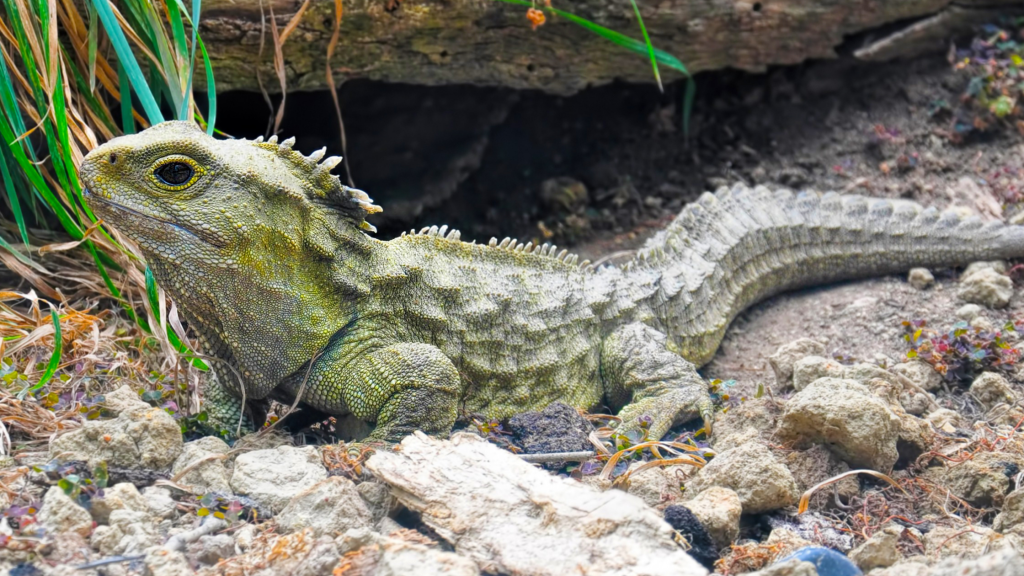
Environmental access to the pineal gland is on top of the tuatara’s head medial to the eyes, but placement is closer toward the spine than the nostril region (see the photo on the right). Researchers deemed this access point to the gland ‘the third eye’, as this small opening in fact contains a functioning and innervated retina! The third eye plays such a crucial role in organismal function that it has remained evolutionarily (genetically) unchanged for roughly 220 million years (Helicon, 2018). As for the specific purpose, this access point to the pineal gland is believed to serve as a regulator for sun exposure. As an ectotherm, tuatara rely primarily on environmental temperatures to alter internal body temperatures. The third eye contributes to behavioral regulation for optimal sun exposure, helping to maintain the body at an ideal level of heat (Stebbins, 1958).

Though not spiritual in nature, the fundamental understandings we have on the third eye of the tuatara has fueled evolutionary research–specifically in regard to amniote divergence on the geologic time scale (Gemmell et al., 2020).

If you are interested in learning more about this species, Discovery UK has a wonderful educational video on the subject, accessible below.

Stay Adventurous,

Olivia Grace

References


Gemmell, N. J., K. Rutherford, S. Prost, et al.. 2020. “The tuatara genome reveals ancient features of amniote evolution.” Nature, 584: 403-409.

Helicon. 2018. “Tuatara.” The Hutchinson unabridged encyclopedia with atlas and weather guide.

McGovern, U.. 2007. “Third eye.” Chambers Dictionary of the unexplained. ISBN: 978-0-550-10215-7

Stebbins, R. C.. 1958. “An experimental study of the ‘third eye’ of the tuatara.” Copeia, 3: 183-190. DOI: 10.2307/1440585

Diving Deep: the Anglerfish

The Anglerfish, to some, is a true deep-sea nightmare–and not just to Marlin and Dory on their search for Nemo! This species was discovered in 1833 by an English naturalist named James Yate Johnson. At the time of discovery, not much was known about the ecology and lifestyle of this ghoulish fish, as the only details came from deceased specimens. Whereas in recent years deep-sea divers have added much to our compendium of anglerfish, much of their lifestyle is still shrouded in mystery. There are over 200 species of anglerfish extant today, varying in lifestyle and size, but they all have one thing in common: an elongated cranial spine tipped with a bioluminescent organ. 

Most anglerfish live in the bathypelagic region of the open ocean—in other words, they live in the deep, dark, and cold regions, about 2000 m (6600 ft) below the surface. In complete absence of light with scarce food in the ocean depths, these ambush predators evolved their own ways to hunt and survive—by underwater fishing! The anglerfish uses its modified cranial spine to imitate other organisms in the darkness, with the photophore at the tip using a process of bioluminescence to create a blue-green light to lure in other small marine animals. Once a prey fish is in adequate range, the anglerfish will use its powerful jaws to suck in its meal whole. Though some anglerfish can reach up to four feet long and 110 pounds, most are fairly small. Despite this stature, members of this species are known to be able to swallow prey twice their size.

Museum specimen of an Anglerfish, genus Acentrophryn; image taken by Hongseok Kim in Seoul, South Korea.
Museum specimen of an Anglerfish, genus Ceratias; image taken by Hongseok Kim in Seoul, South Korea.

The bizarre appearance and predation style of anglerfish aren’t the only factors that make these fish so interesting. In fact, one of the most fascinating and unusual practices of some anglerfish species is their disturbing mating habit! For around 90 years after the first anglerfish was discovered, scientists and researchers were baffled as the only anglerfish they were finding were all females. That’s right, every anglerfish with a lure is female! These females were sometimes found with small growth like fish attached to their bellies and were believed to be their offspring. The behavior and ecology of male anglerfish were a total mystery until 1924 when Charles Tate Regan dissected a smaller, attached fish on a female and discovered they were neither growths nor offspring, but the female’s mate! 

Male anglerfish are substantially smaller than females, only about one inch long, and lack lures, large maws, and the frightening teeth of their female counterparts. Since males are not equipped for survival on their own, they spend their lives seeking out a female mate— and mate they do. Male anglerfish have small hook teeth that they use to latch onto a female’s body. Once attached, the male anglerfish releases an enzyme that dissolves the membranes of his mouth and her skin so that their bodies can fuse together, blood vessels and all! The male will lose the body parts no longer necessary to him, including eyes, fins, and sometimes even his own internal organs. He is then entirely dependent on the female for nutrition and survival and essentially becomes a fleshy lump, ready to release sperm into the water when his mate chooses to release eggs for fertilization. Even more fascinating, a female can carry up to six males at one time!

Not every species of male anglerfish is destined to such a dark fate, but this seemingly parasitic form of reproduction sure does sound like the stuff of science fiction. So, if you’re ever feeling down in the dumps about your love life, just remember: at least you’re not an anglerfish! 

Pollution to Solution: Rice University Reactor Studies aid in Climatic and Biochemical Research

Screen Shot 2021-10-28 at 11.40.09 PM

In 2019, a group of researchers from Rice University created a reactor capable of reducing atmospheric carbon dioxide into a usable energy source: formic acid. Formic acid fuel-cell energy is a better long-term alternative than utilizing hydrogen fuel-cell energy—as researchers indicate hydrogen gas is harder to get into a condensed state. Head researcher Haotian Wang was able to create this reactor by eliminating a need for salts in the solution. Typically, salts have been used for reducing atmospheric carbon dioxide, but Wang suggested to instead use a solid electrolyte that degrades more slowly. Not only was this created catalyst slower in degradation, it was also more stable (held form during the reaction). Success rate for this reactor depended on the speed at which the reaction took place; higher speeds gained better results, and researchers achieved nearly a 50% collection of formic acid at the end of the trials.

While producing a useful and strong biochemical fuel, the lab’s research primarily aimed to reduce the amount of greenhouse gasses in the atmosphere. Global warming is a threat to our planet and the multitude of species that inhabit it. A continual increase in greenhouse gasses would only accelerate the effects of global climate change. The research being done at Rice University holds tremendous value toward conservation efforts, because by lowering greenhouse gas concentrations in the atmosphere, the resulting stress effects these gasses hold on species could lessen overtime. A decreased presence of external stressors on a population can significantly decrease an organism’s vulnerability to extinction. While this reactor is still a prototype in the lab,  researchers feel they could scale their methods to work at industry level, which would allow this method of lowering greenhouse gasses to extend to international use. Ensuring high carbon-emitting, industrialized countries have access to this technology holds potential to make climate conservation on the multinational level much more attainable. Combating climate change is one of the most important issues in ensuring the conservation of our planet’s species, and while more testing and tinkering with the reactor is needed, this process is a step in righting the damage done.

Wang and his team were published in Nature Communications in 2020. If you would like to read the paper released, you can find it here.

Since publishing this paper, the Wang Lab has received many awards for their continued research into the use of reactors to isolate compounds from the environment. More recently, scientists in the Wang Lab have discovered a more efficient way of synthesizing Hydrogen Peroxide (H2O2) from environmental factors using a boron-attached carbon molecule as fuel, or a catalyst, for the collection pathway. Hydrogen peroxide is an oxidizing chemical commonly used in scientific research and medicinal practices. In prior years to now, synthesizing hydrogen peroxide was difficult to achieve due to the the reactive favorability of the molecules involved to convert to water. The pathway perfected by the Wang Lab research team allows for more stabile accumulation process of hydrogen peroxide molecules, well as higher ratios of molecule collected.

Haotian Wang and the researchers in his lab continue their efforts in molecular synthesis as it related to environmental cleanup, and are making headlines among environmental and biochemists worldwide. If you would like to keep up with the efforts from the research team, you can follow the University’s update page here

Wang Lab Researchers Synthesizing H2O2

Stay Adventurous,

Olivia