Let’s Get Dirty: The Fundamentals of Soil Ecology

Soil: Earth’s Living Tapestry

Beneath our feet lies an intricate tapestry of life, teeming with activity: soil. Often overlooked, the health and complexity of this living canvas significantly influence the sustainability of life as we know it (Lavelle and Spain, 2001). Soil ecology delves deep into this tapestry, studying the interactions between soil-dwelling organisms and their environment. The importance of this discipline is monumental, revealing how different organisms contribute to nutrient cycling, soil formation, and overall ecosystem functions (Bardgett, 2005).

The Day in a Life of a Soil Ecologist

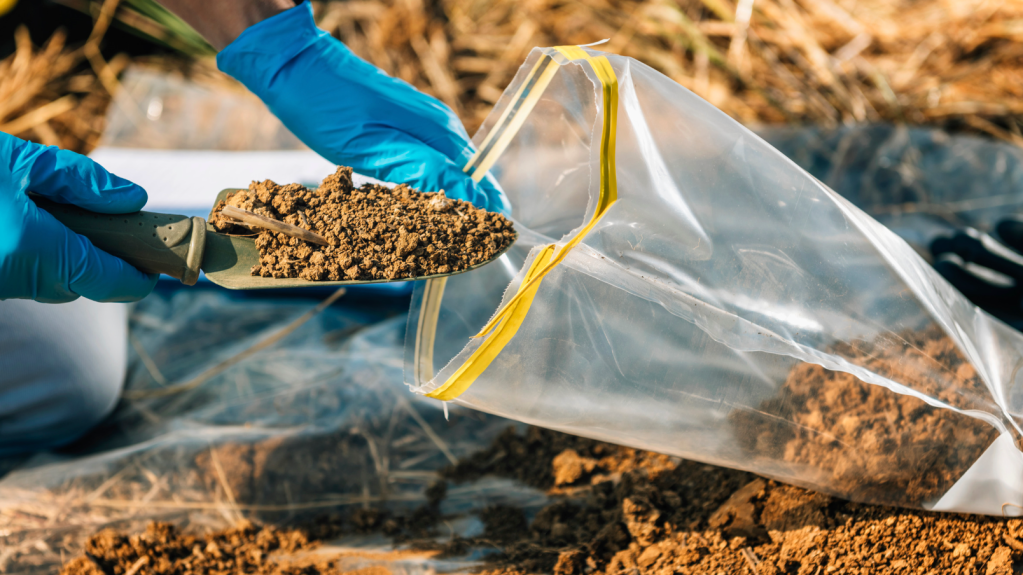
Soil ecologists unravel the mysteries of soil ecosystems. Their endeavors range from microscopic analyses of soil microbes to broader studies addressing the soil’s impact on climate. Here’s a glimpse into their typical day:

Fieldwork: They might be collecting soil samples, setting up experiments, or taking environmental measurements (Wardle, 2002).

Laboratory Analyses: They delve into soil samples, identifying organisms, or measuring soil properties. They might use everything from basic microscopy to advanced methods like DNA sequencing (Fierer & Jackson, 2006).

Data Analysis: A lot of their time goes into analyzing data, using statistical software, and even crafting mathematical models to predict soil processes (Manzoni & Porporato, 2009).

Writing & Publishing: Like many scientists, they share their findings through scientific papers, enhancing the collective knowledge of the community (Bardgett, 2005).

Whereas the studies of soil ecologists may range in focus–say from examining agricultural practices’ impacts on soil health to exploring soil organisms’ roles in climate change (Doran & Zeiss, 2000; Six et al., 2002)– the results can benefit various sectors, from academia and government agencies to the private sector and non-profits.

See the video below for an interview with soil ecologist Dr. Yamina Pressler.


The Soil’s Biodiverse Orchestra

Imagine this: a single gram of soil could be bustling with up to a billion bacteria (Whitman et al., 1998). The soil is a realm of staggering diversity: bacteria, fungi, protozoa, nematodes, and many more. They all dance in a complex web of life, supporting functions like decomposition, nutrient cycling, and disease suppression (Bardgett and van der Putten, 2014).
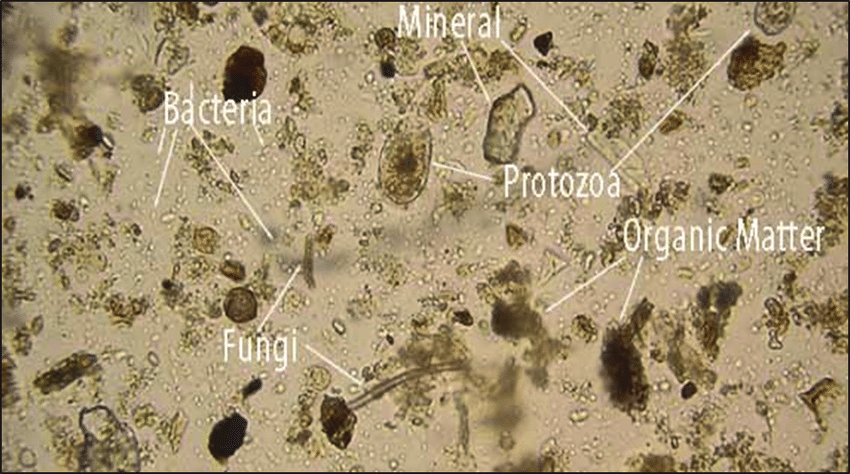
Microscopic image from Bauber and Dindaroğlu 2020 labeling components of soil sample.

In harmony, their collective efforts sculpt the soil. Diligent earthworms, for instance, burrow, aerating the soil and aiding water infiltration. Fungi, with their hyphal networks, bind soil particles, fortifying the soil structure (Ritz & Young, 2004). Some soil warriors even defend against plant diseases. We see this in certain strains of bacteria and fungi. For example, the fungus Penicillium chrysogenum produces antibiotics, effectively staving off pathogens, serving as nature’s own pest management system (Mendes et al., 2011).


Soil: Our Climate Guardian

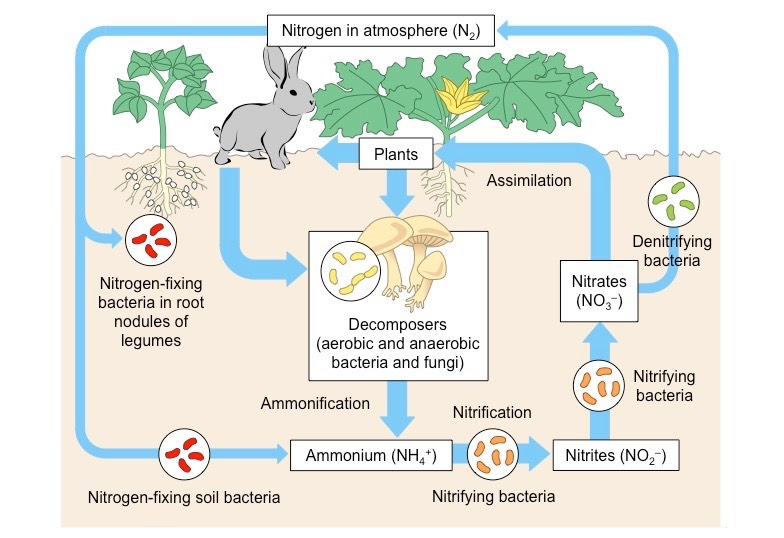
Soil biota play pivotal roles in the cycling of essential elements like carbon, nitrogen, and phosphorus (Coleman et al., 2004). Bacteria and fungi act as recyclers, breaking down organic matter and releasing nutrients. Some bacteria, the nitrogen-fixers, even draw nitrogen from the air, converting it into a plant-friendly form (Vitousek et al., 2002). See the image below for a representation of the nitrogen cycle, emphasizing the role of soil organisms (Source: Bioninja).
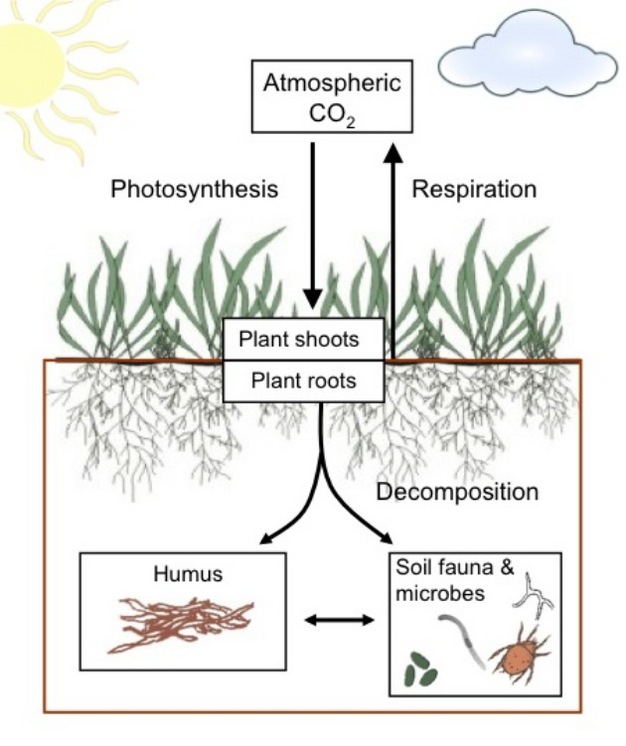
Soils could also be considered a form of climate guardian, holding more carbon than both the atmosphere and all vegetation. Disturbances to soil, like deforestation and poor agricultural practices, can lead to the release of this stored carbon into the atmosphere, contributing to greenhouse gas emissions. Conversely, healthy, well-managed soils can sequester carbon from the atmosphere, potentially mitigating climate change and emphasizing the urgency to manage and protect them diligently (Lal, 2004; Paustian et al., 2016).

The image to the right displays a schematic of potential pathways for CO2 molecule once sequestered from the atmosphere through the soil (Ontl and Schulte, 2012). Carbon balance within the soil (brown box) is controlled by carbon inputs from photosynthesis and carbon losses by respiration. Decomposition of roots and root products by soil fauna and microbes produces humus, a long-lived store of soil organic carbon.

See the recommended video below for an in-depth look at where soil fits into the carbon cycle.


In Conclusion

The soil is not just dirt beneath our feet; it’s an intricate world, pulsating with life! Most importantly, this reminds us of the profound interconnectedness of our planet. Every grain, every microbe, and every root tells a story of life’s incredible resilience and interdependence. Soil ecology, with its myriad interactions and functions, is a cornerstone for the Earth’s biosphere. It is a compelling testament to the interconnectedness of life and a crucial piece of the puzzle in addressing global challenges such as food security and climate change. As we discover the secrets whispered by the earth, we gain insights into addressing global challenges and securing a future for generations to come. So, as you tread the Earth, pause and appreciate the delicate symphony beneath, remembering the vital tune it plays for our planet’s future.

Stay Adventurous,
Olivia Grace

References

Bardgett, R. (2005). The Biology of Soil: A Community and Ecosystem Approach. Oxford University Press.

Bardgett, R. D., & van der Putten, W. H. (2014). Belowground biodiversity and ecosystem functioning. Nature, 515(7528), 505–511.

Coleman, D.C., Crossley, D.A., Hendrix, P.F. (2004). Fundamentals of Soil Ecology. Academic Press.

Lal, R. (2004). Soil carbon sequestration to mitigate climate change. Geoderma, 123(1-2), 1-22.

Lavelle, P., & Spain, A. V. (2001). Soil Ecology. Kluwer Academic Publishers.

Mendes, R., Kruijt, M., de Bruijn, I., Dekkers, E., van der Voort, M., Schneider, J. H., Piceno, Y. M., DeSantis, T. Z., Andersen, G. L., Bakker, P. A., & Raaijmakers, J. M. (2011). Deciphering the Rhizosphere Microbiome for Disease-Suppressive Bacteria. Science, 332(6033), 1097-1100.

 Ontl, T. A. & Schulte, L. A. (2012) Soil Carbon Storage. Nature Education Knowledge 3(10):35

Paustian, K., Lehmann, J., Ogle, S., Reay, D., Robertson, G.P., Smith, P. (2016). Climate-smart soils. Nature, 532(7597), 49-57.

Ritz, K., & Young, I. M. (2004). Interactions between soil structure and fungi. Mycologist, 18(2), 52-59.

Smith, S. E., & Read, D. J. (2008). Mycorrhizal Symbiosis. Academic Press.

Vasilas et al., 2016: researchgate.net/figure/The-soil-profile-ab-ve-consists-of-an-8-cm-314-inches-layer-of-peat-and-or-mucky-peat_fig1_318239569

Vitousek, P.M., Menge, D.N., Reed, S.C., Cleveland, C.C. (2013). Biological nitrogen fixation: rates, patterns and ecological controls in terrestrial ecosystems. Philosophical Transactions of the Royal Society B, 368(1621), 20130119.

Whitman, W.B., Coleman, D.C., Wiebe, W.J. (1998). Prokaryotes: the unseen majority. Proceedings of the National Academy of Sciences, 95(12), 6578-6583.

Bardgett, R. (2005). The Biology of Soil: A Community and Ecosystem Approach. Oxford University Press.

Wardle, D. (2002). Communities and Ecosystems: Linking the Aboveground and Belowground Components. Princeton University Press.

Fierer, N., & Jackson, R. B. (2006). The diversity and biogeography of soil bacterial communities. Proceedings of the National Academy of Sciences, 103(3), 626-631.

Manzoni, S., & Porporato, A. (2009). Soil carbon and nitrogen mineralization: Theory and models across scales. Soil Biology and Biochemistry, 41(7), 1355-1379.

Doran, J. W., & Zeiss, M. R. (2000). Soil health and sustainability: managing the biotic component of soil quality. Applied Soil Ecology, 15(1),

Rutgers, Michiel & Mulder, Christian & Schouten, Ton. (2008). Soil ecosystem profiling in the Netherlands with ten references for biological soil quality. RIVM Report. 60760400. 1-89.

© 2012 Nature Education All rights reserved. 

Ferret in the Hole: The Black-Footed Ferret’s Fight for Survival

Figure 1. Current distribution of Mustela nigripes in the United States. Image adapted from the IUCN Red List of Threatened Species. Version 2022-2

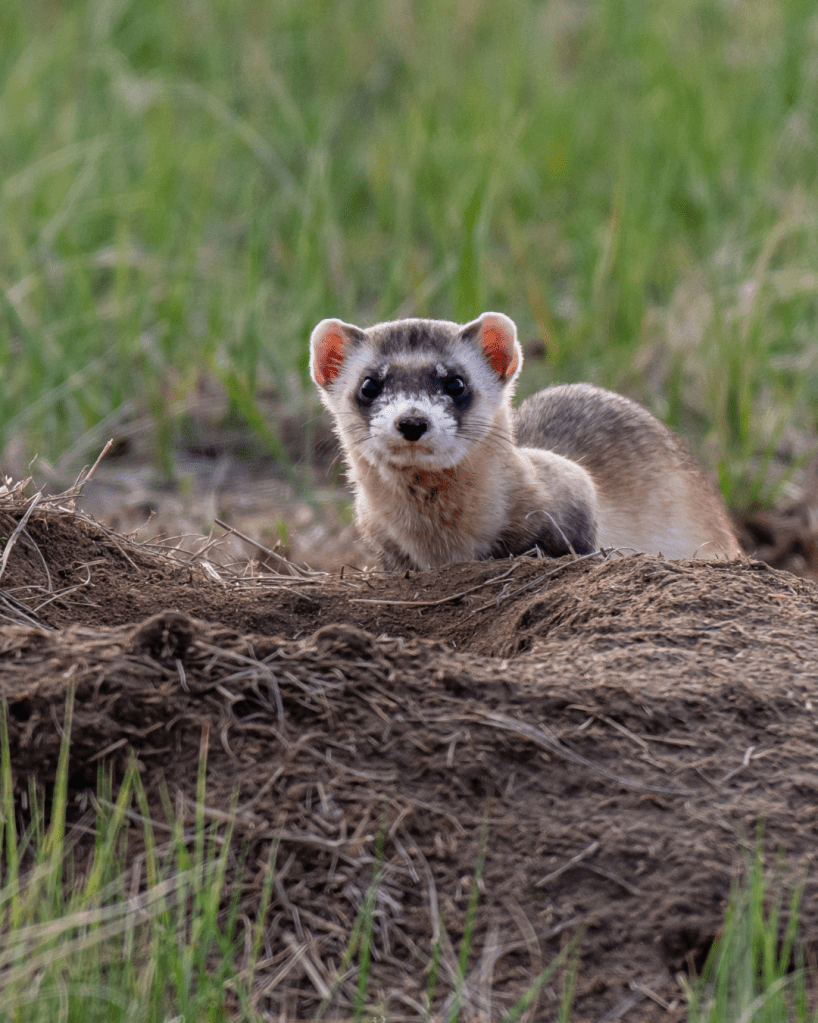
In the sprawling tapestry of North America’s Great Plains, the black-footed ferret (Mustela nigripes) emerges as a creature of nocturnal mystique and ecological intricacy. Dwelling in the grasslands and prairies, these mammals have intricately woven their existence with the burrows of prairie dogs, their primary prey. Their solitary nature is briefly set aside during mating and rearing, creating a delicate balance in their subterranean realms. The ferret’s unique dependency on prairie dogs not only defines its ecological role but also limits its distribution, making it a poignant symbol of the interconnectedness of life.

See Figure 1. for the Overall Distribution of black-footed ferrets in North America.


A Battle for Conservation and Recovery

The black-footed ferret has endured numerous hardships in its battle for survival, including consequences of habitat loss, the spread of disease, and a genetic bottleneck that threatened the continuation of the lineage.

In the late 1800s, the sylvatic plague was introduced to North America, likely via imported rats from Asia. This disease, caused by the bacterium Yersinia pestis, can be transmitted through flea bites. The plague was given its name for the bacterium’s occurrence in wild rodents, such as prairie dogs and other small mammals, as it can have devastating sway over their survival.

Predatory species can become infected with pathogens when they feed on infected animals. In the case of M. nigripes, the disease quickly spread throughout the Great Plains, resulting in the widespread decline of prairie dog populations. As a result, the population of black-footed ferrets also declined rapidly (Biggins et al., 2016).

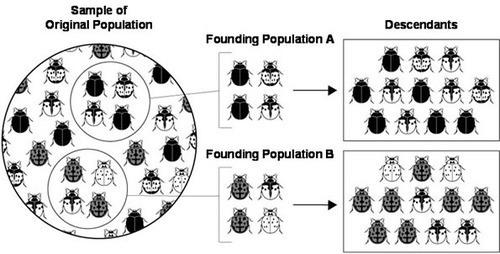
M. nigripes’ complex mating system posed a significant challenge to the already small population’s breeding efforts. Consequently, the available genetic pool for offspring outcomes shrunk to only 18 individuals, with just 7 of them deemed viable to breed (Santymire et al., 2017). This led to a founder effect, reducing the population’s genetic diversity significantly. The founder effect can lead to a loss of genetic diversity and the fixation of harmful alleles, causing genetic disorders and decreased fitness in the population.

Take a look at the diagram below for a visual demonstration of how this works in wild populations:

Sourced from Mindfuller, Tumblr.

To address the difficulties of the bottleneck event, conservationists have worked tirelessly to save the species. One of the innovative strategies was the establishment of a black-footed ferret boot camp. This intensive training program replicates habitat conditions in the wild, exposing ferrets to prey, and encouraging hunting tactics. Before relocation, ferrets receive a vaccine against Y. pestis, which remains a significant threat to the species, and are gradually exposed to different stimuli to prepare them for their eventual release into the wild (Poessel et al., 2009).

Sourced from the U.S. Fish and Wildlife Service

Despite these efforts, the bottleneck that the black-footed ferret population underwent still poses a significant challenge. The resulting founder effect led to a reduction in genetic diversity and the fixation of harmful alleles (varations of genes). Even with subsequent releases, the population’s genetic diversity remains limited. As a result, continued efforts are required to mitigate the founder effect’s consequences and guarantee the species’ long-term viability.


Current Conservation Status

Mustela nigripes is listed as endangered under the Endangered Species Act, with a estimated remaining wild-population of 206 individuals (IUCN, 2023). Intensive conservation efforts spanning several decades have focused on recovering the population size and distribution to a level that would facilitate down-listing to a less imperiled category. M. nigripes is primarily managed and recovered by the U.S. Fish and Wildlife Service (USFWS), which has created a detailed recovery plan outlining specific criteria for success. The USFWS plan seeks to establish self-sustaining populations of the ferret in at least three different eco-regions, increase genetic diversity, and mitigate threats from pathogens like Y. pestis (USFWS, 2013).

The journey of M. nigripes from the brink of extinction to a viable population is a testament to steadfast conservation efforts. Ensuring the survival of the ferret is critical for preserving our planet’s biodiversity and proper ecological balance. With further endeavors, we can ensure the black-footed ferret remains a symbol of resilience and a reminder of the importance of adaptive management.

Stay Adventurous,

Olivia Grace


References

Biggins, D.E., Hanebury, L.R., Miller, B.J., Powell, R.A., Ramey, C.A., Rodenhouse, N.L., Santymire, R.M., Shipley, L.A., Vargas, A., and Eads, D.A. 2016. Spatial and temporal variation in black-footed ferret resource selection within a black-tailed prairie dog complex. Journal of Mammalogy, 97(6), 1596-1610.

Miller, B., S. Reading, and J. Forrest. (2011). “Prairie Night: Black-footed Ferrets and the Recovery of Endangered Species”. Smithsonian Books.

Poessel, S. A., Biggins, D. E., Santymire, R. M., Livieri, T. M., Crooks, K. R., Angeloni, L. M., & Angeloni, I. (2009). “The Black-Footed Ferret Recovery Implementation Team: progress and challenges”. In Recovery of the Black-Footed Ferret: Progress and Continuing Challenges (pp. 135-152). Springer, Boston, MA.

Santymire, R. M., Livieri, T. M., Branvold-Faber, H., Marinari, P. E., & Wildt, D. E. (2017). Reproductive success of captive black-footed ferrets (Mustela nigripes) managed by the Black-Footed Ferret Species Survival Plan. Zoo Biology, 36(1), 17-27.

U.S. Fish and Wildlife Service. (2013). Revised Recovery Plan for the Black-footed Ferret (Mustela nigripes). U.S. Fish and Wildlife Service, Mountain-Prairie Region, Denver, Colorado.

Wisely, S. M., McDonald, D. B., Buskirk, S. W., & Sustaita, D. (2002). “Genetic diversity and fitness in black-footed ferrets before and during a bottleneck”. Journal of Heredity, 93(4), 231-237.

IUCN Red List

Additional Resources

Biggins and Miller, 1998: Information on the transmission and effects of sylvatic plague on rodents.

Miller and Biggins, 2003: Information on black-footed ferrets as obligate predators of prairie dogs and their susceptibility to sylvatic plague.

Rocke et al., 2010: Information on the introduction of the sylvatic plague to North America and its effects on prairie dogs and black-footed ferrets.

Exploring Biodiversity

The value of biodiversity is that it makes our ecosystems more resilient, which is a prerequisite for stable societies; its wanton destruction is akin to setting fire to our lifeboat.

Johan Rockstrom

What is biodiversity?

The term biodiversity refers to the multitude of living species on Earth and their incredible variations. There are no exclusions for organisms when describing total global biodiversity, meaning organisms from all three domains of life are included. These domains are referred to as Bacteria, Archaea, and Eukarya. The relationships of these groups can be seen in the image below.

The three domains of life: Eukarya, Archaea, and Bacteria.

Members of Eukarya include eukaryotic organisms such as plants, animals, protists, and fungi. Archaea includes organisms such as retroviruses, and bacteria includes microbes such as E. Coli (a common cause of food poisoning). Archaea are unicellular organisms that lack a true nucleus (organelle that contains the genetic information of an individual), which distinguishes them from their nucleated counterparts Eukarya and Bacteria. Despite sharing similarities when compared to Archaea, members of Eukarya differ from Bacteria as these organisms are multicellular and have their organelles (functional parts of the cell) surrounded in individual membranes. Members of Archaea are commonly represented by those organisms that live in extreme conditions such as in the Dead Sea (‘salt-loving’ halophiles) or in volcanoes (‘heat-loving’ thermophiles).

Depending on the ecological system being described or studied, the scope of biodiversity might be confined to a particular location or groups of locations. When we describe the biodiversity of organisms at one particular location, we refer to this as an assessment of alpha diversity (α diversity). This measurement is particularly useful for understanding what mixture of species are present within an area.

For example, if you were to measure the alpha diversity of a park in city of Chicago, you may include up to a mixture of 155 species of birds depending on the location of the park, numerous insect species, plant species, etc. Regardless of the type of species, because we have established our area of study as the park, every living species within the park will be included in the alpha diversity assessment.

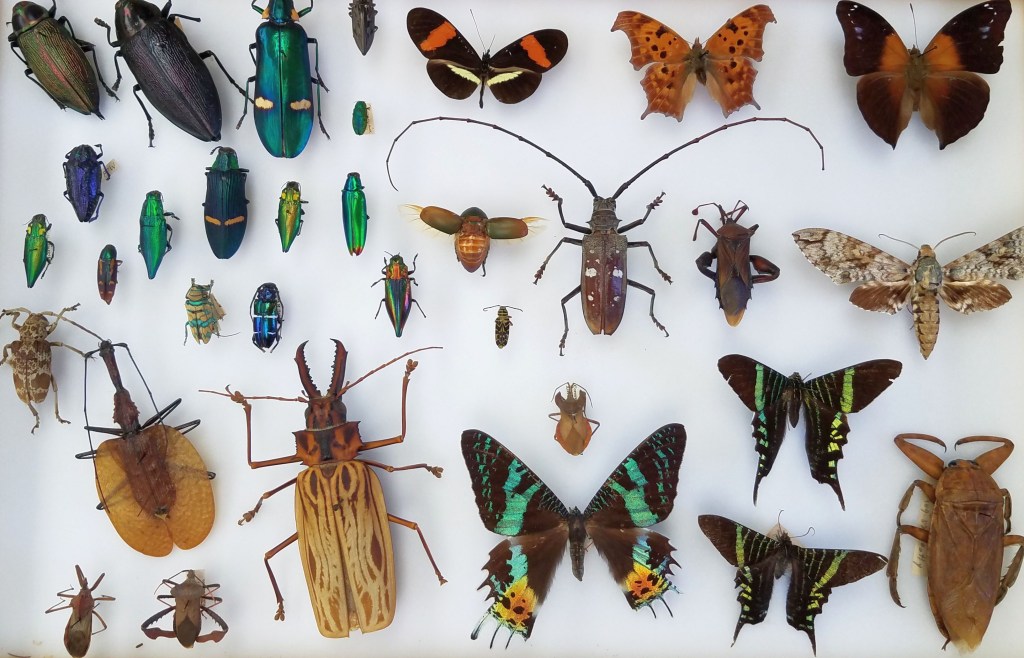
(C) Penn State | Insect Biodiversity Center

When multiple locations are taken into consideration, this becomes what is considered a beta-diversity (β diversity) assessment. This type of assessment can be incredibly useful when assessing large regions for biodiversity. For example, β diversity is beneficial for assessing the biodiversity of a country, or a large region of land such as a state. In this application, alpha assessments are taken at many different habitats, and compiled in a beta diversity application.

The scenarios given above for α and β diversities involve looking at an ecosystem level. These terms can, however, be applied to smaller scales, for instance looking at the biodiversity among a certain species (either from observable characteristic or genetic differences).

The video below is a great example at looking at species diversity within ants in the Gorongosa National Park (Mozambique, Africa).


How does biodiversity arise?

Within every organism, there is a sequence of genetic information that makes up every characteristic of that individual. From time to time, sequences must copy themselves in order to create new cells or pass on genetic information. A nature-made machine, editing enzymes are not perfect and occasionally make errors. These mistakes involve either adding in a base pair that doesn’t below (e.g., AATCG becomes AATGCG), removing a base pair altogether (e.g., ACGT becomes AGT), or swapping one base pair with another (e.g., ACCT becomes ACCG). Changes such as these can be fatal depending on the location of the change, or can have no effect on function. Occasionally, errors (also known as mutations) can alter a function within the organism without being fatal, resulting in a change of a visible characteristic. If these mutations are heritable (or within the cells to be used during fertilization), they can be passed on to new generations.

With new genetic potential, if a particular change in function is beneficial to an organism, these characteristics boost this individual’s chance for survival–heightening its chance of passing along this beneficial mutation to more offspring. Over time, accumulation of desirable characteristics in a population begin to shift the genetic pool available during mating events. Through directional selection, or a movement toward a beneficial trait in a population, these organisms become more similar to each other at the sequence where the mutation occurred. Errors in sequencing will continue over time, and those that occur in heritable cells (sperm, egg, etc.) might allow for survival against a new environmental factor, contributing to further shifting in genomic patterns and eventually allowing for the possibility of a new species with unique traits to emerge.

With enough geographic isolation or lack of gene immigration from outside populations, mutations in a population accumulate and eventually can cause populations of what were once the same species to now be genetically distinct enough to be considered different species.

What are the pressures that could shape an organism’s survival?

In the context of mammals, after the mass extinction of dinosaurs in the Cretaceous period (estimated 145.5 million years ago) a wide range of habitats became available for surviving creatures to colonize. One lineage became especially adapted to new modes of life, eventually extending a branch providing us humans (Homo sapiens) the opportunity to wonder about these foundational moments in history.

The video below is an illustration of the new habitats created for ancestral mammals and the selective pressures driving the adaptations needed to thrive in them.

Perhaps one of the most cited examples of colonization into new habitats is a case of adaptive radiation in Darwinian Finches (1800s). The term adaptive radiation refers to the same logic we set forth earlier, stating that organisms that invade available niches will have selective pressures from the environment on traits that encourage their success. Organisms with beneficial mutations or heritable abilities will survive, pass on their genetic information, and in turn a new species of organisms can emerge over time, now adapted to this new habitat.

Below is another HHMI BioInteractive video I recommend on evolution in Galapagos finches observed by Charles Darwin.


What is the significance of biodiversity?

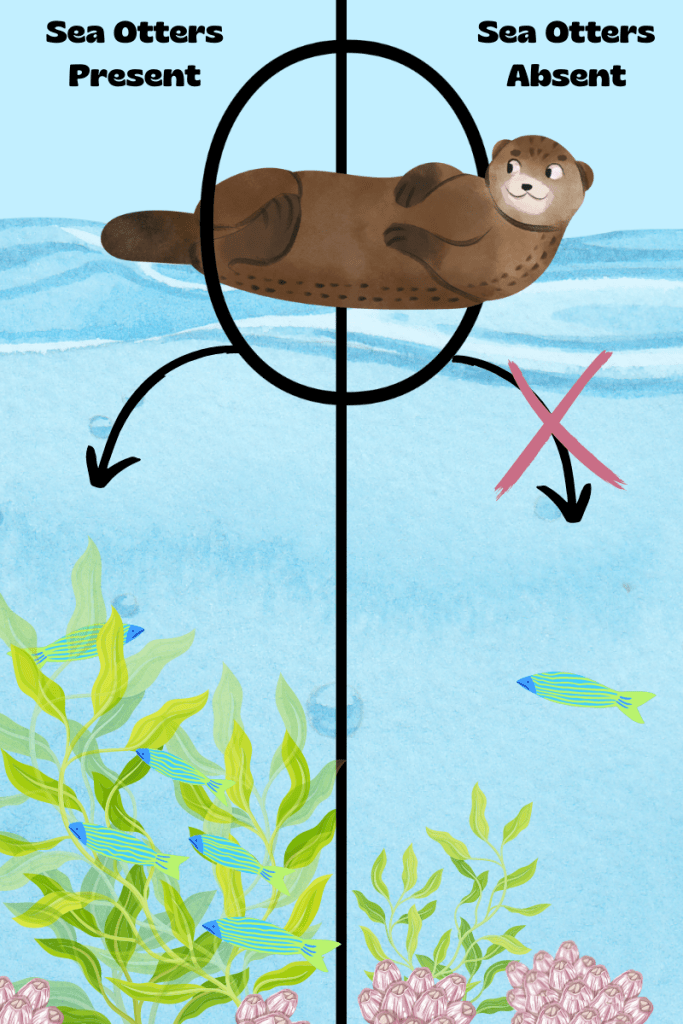
Once biodiversity is established in an area, there are heavy consequences for its collapse. The greatest example of this is with the removal or eradication of keystone species. These organisms are foundational species for an area, meaning their presence keeps the living systems surrounding them regulated. When removed, the ecosystem shortly collapses. One example is the sea otter! As illustrated in the image to the right, when sea otters are present in their environment, barnacle populations remain at low sustainable levels, allowing lush kelp forests to grow and provide shelter for a wide array of aquatic biodiversity. When sea otters are removed from their environment, barnacle populations grow exponentially without predation, resulting in a reduction of kelp forests. Once home to many fish species, without kelp these organisms must find new homes, and as a result are either forced to leave the area or are exposed to predators and collapse themselves.

Non-keystone species also have ecological roles in their environment, which can cause domino effects for species that rely on interactions with them or something they were directly involved with. For instance, some caterpillars are known to take place in what is known as ecosystem engineering. This means the organisms are altering their environment in some way, which in turn can be useful for other creatures. In the case of caterpillars, many will create sheltered burrows in rolled-up leaf material. These burrows remain once the caterpillar no longer needs them, and is then used as a home for many different types of insects.

Regardless of ecological status, all species comprising our global biodiversity contain intrinsic value for their representation of millions of years of evolutionary lineages and evolutionary potential.


How is biodiversity conserved?

At the heart of the drive toward conservation rests governmental policy. Unfortunately, organized citizen by citizen efforts to be conscious about their environmental interactions are limited by the amount of people educational platforms and word of mouth can reach. Only through true government-mediated policy–be that local or federal–will large scale conservation efforts be able to go into effect.

Conservation laws specifically targeting keystone species are incredibly beneficial. Under these policies, not only is the habitat of that keystone species protected, you are in turn automatically conserving the habitat for the other species that occupy the area. The term for this is having an umbrella species, meaning the conservation of one implies conservation of a vast amount of other species. Umbrella species do not always have to be considered a keystone species, but do have to share habitat parameters with other organisms for them to be inherently included in the conservation efforts.

In situations where an organism is dwindling and is not considered an umbrella species, conservation efforts may not benefit other individuals, and thus more efforts may be required to conserve many species in a particular area. To get involved in the politics underlying conservation, it is encouraged to search periodically for bills being presented and contact your local representatives to express desires for the passing of these policies.

Ultimately, awareness within the general public of conservation-related issues and personal, consistent interaction with local government officials is the pathway for driving ecological reform.


Every individual can make a difference in the fight against biodiversity loss!

Ways to Get Involved with Conservation

1) Educate yourself. Stay up to date on current issues in conservation biology. To do this, there are a few options for quick-resources on the latest topics: Eco News Now | Phys Org | Nature Portfolio.

2) Contact your local officials! Stay up to date by searching for current conservations bills being presented to legislators, and make your desires known! To find your representatives, you can use this White House search tool.

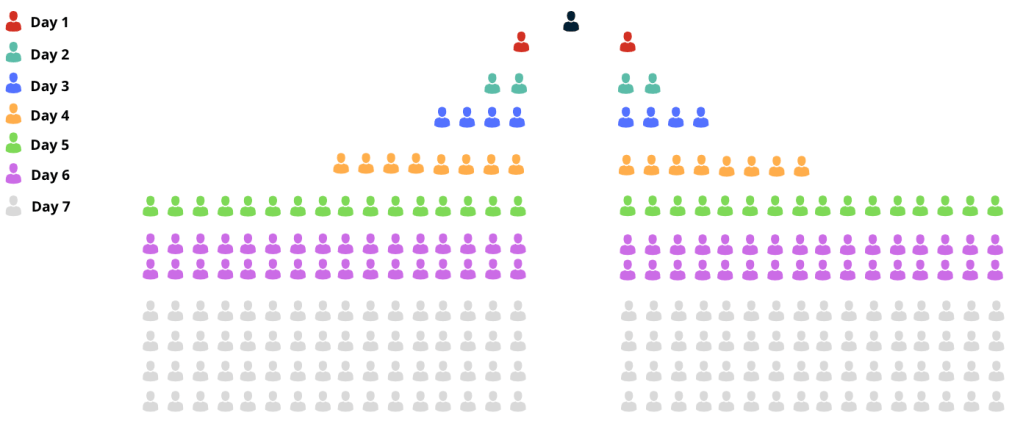
3) Spread Awareness! Even if you cannot contribute at the moment, ambassadorship for conservation biology can spread to someone who might be able to.There is exponential growth with spreading the word! Even spreading information to two individuals on a Monday, if each person tells two other people the next day, you have the potential to have reached 254 people by the end of the week (see the figure below)!

An example of the impact of educational spread.

4) Volunteer your time. It is best to make an impactful difference in a chosen area, so be sure to not spread yourself too thin! Many organizations offer volunteer opportunities, such as local preservation chapters and zoos. To find opportunities in your area, quick internet searches are often very effective. To save time, Our Endangered World has created a list of opportunities and subsequent ways to find organizations. Visit this information here.

Citizen scientists in action! Photo Courtesy of the Urban Turtle Project | Birmingham, Alabama (est. 2018)

5) If you do not have time to volunteer, do not fret! There are many ways you can symbolically adopt animals, many of which are housed in zoos and other preservation agencies. Here are examples of symbolic adoption packages offered by WWF (World Wildlife Fund, Inc.).

6) Contribute to citizen science! Getting involved with citizen science projects is an incredible way to experience current research first-hand. One example in Birmingham Alabama, The Urban Turtle Project, allows citizens to help in the capture and counting of turtle species across the state. To learn more about this organization, you can follow this link.


For additional information on conservation biology and the importance of biodiversity, you can view the attachment videos following this article!

Stay Adventurous,

Olivia Grace


Additional Resources: Educational Videos

TEDEd Talk on the Importance of Biodiversity


Crash Course on Conservation and Restoration Biology

Species Spotlight: the Baobab Tree

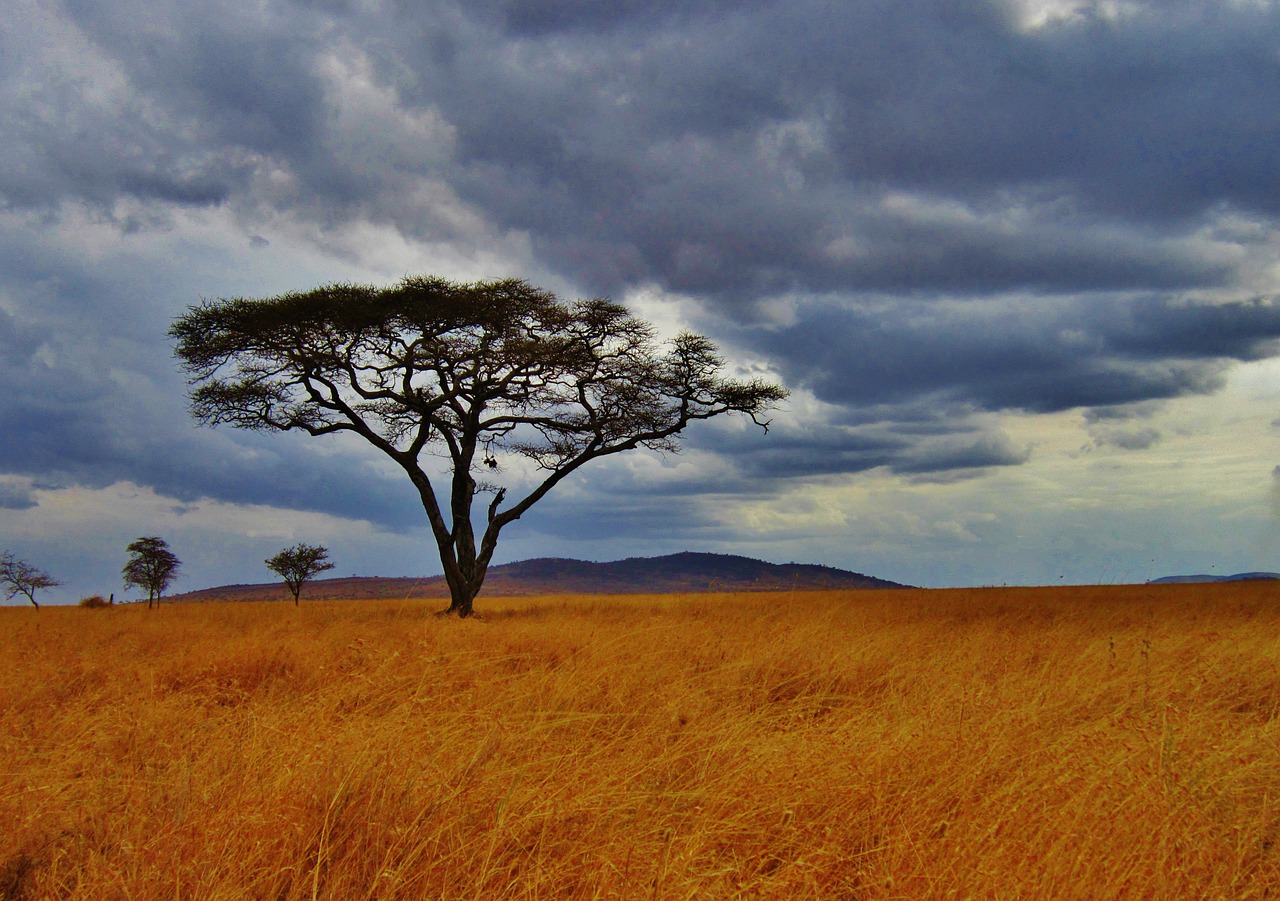
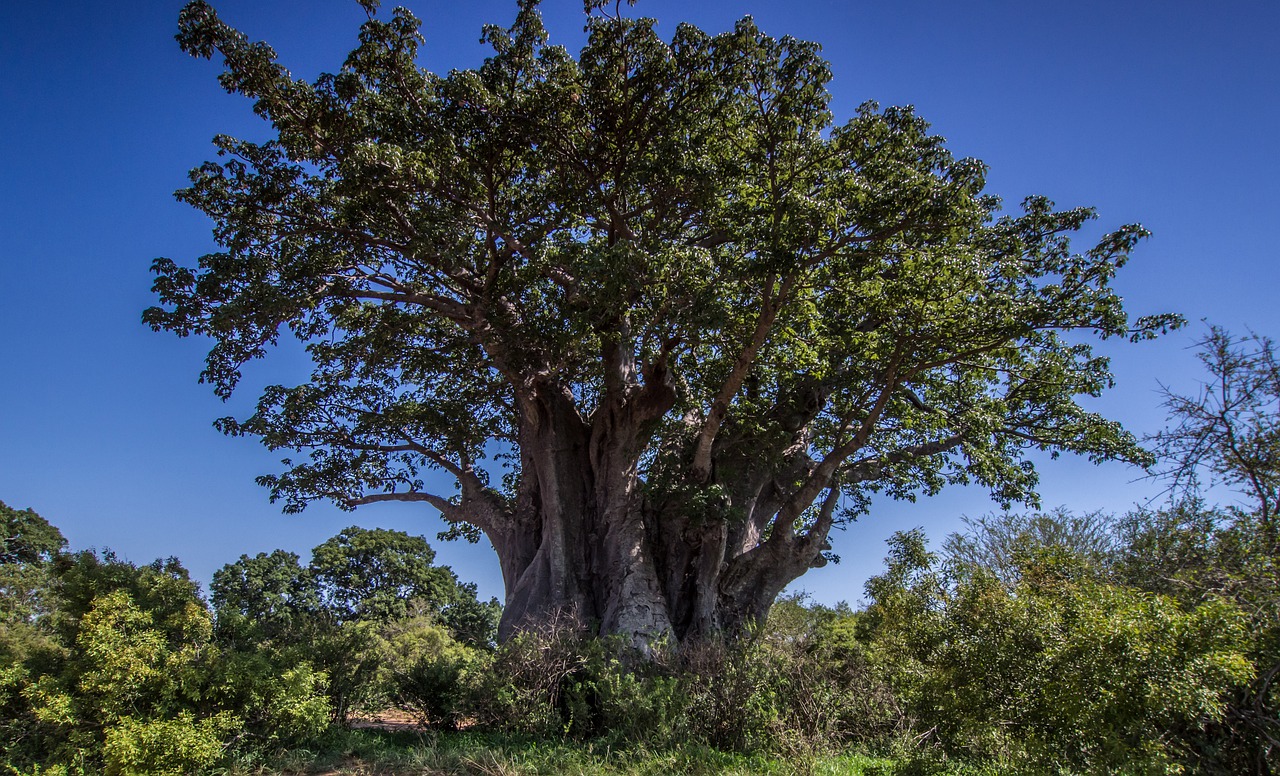
Across the savannah and other regions of Africa, two trees are widely recognizable and often depicted in artwork for their stunning profiles against the horizon. The umbrella thorn acacia (Vachellia tortillas) and the baobab (genus Adansonia) serve as habitats and sources of nutrition for many species. Take a moment to compare the tree types below using the slider.

Umbrella Thorn Acacia Species (Left) | Baobab Species (Right)

Unlike the umbrella tree, baobab populations (six assessed species within the genus Adansonia) have been marked as endangered since 1998 by IUCN, and more recently two sub-species were assessed as critically endangered in a study performed by scientists with CIRAD and the University of York.


What is behind the decline?

As of 2018, the specific cause of the species’ decline is unknown. Trees are dying off with symptoms mimicking if the trees were infected with a pathogen, however no direct signs of pathogenesis (or infection) have been observable. Current fluctuations of global climate associated with human-induced climate change are thought to be the cause of the sudden onset of decline, although more correlational studies are needed to test for additional environmental factors that might be at play to confirm this.

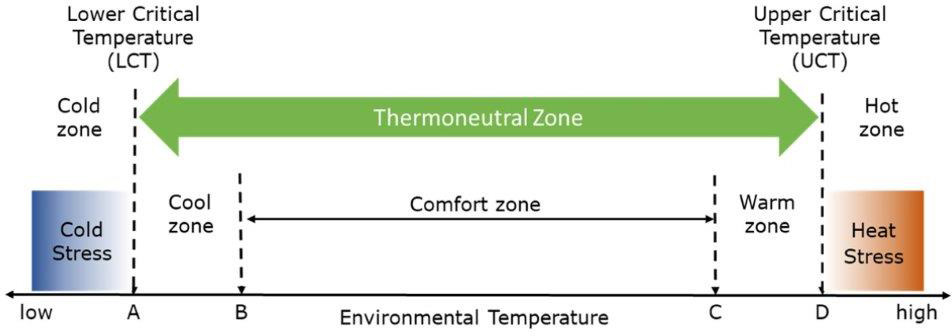
As climatic patterns change, organisms may be exposed to different levels of environmental conditions than usual, leading to physiological (functional) issues within the organism. Specific environmental fluctuations thought to cause issues are shifting patterns of water dispersal and increases of temperature peaks compared to prior years. The logic behind this is as follows:

Figure 1. ESFA (2020)

All organisms operate in what is considered a ‘thermoneutral zone,’ which in short means there is a limited range of temperatures an organism can be exposed to before experiencing difficulty maintaining cellular functions (see above figure). There are critical temperatures associated with this zone, LCT and UCT in Figure 1, which are the furthest temperature extremes an organism can endure before going into cellular stress.

In the case of the baobab, this tree has incredible adaptations for water absorption from the environment to save hydration for times of drought. Unfortunately, increased temperatures have altered the availability of water sources, leaving the tree exposed to hot, dry climate with little hydration reserves to act as a buffer.


Why does this matter?

Cultural Influence

The Baobab Tree | African Folklore

The Baobab Tree has been a central tale among African cultures for centuries. In African Lore, the baobab tree was a species created through divine intervention capable of walking and communicating. According to the folk tale, the tree was never satisfied with its composition or surroundings, and was in a state of constant disagreement with the gods that created it. Tired of listening to the ever-changing frustrations of the tree, the baobab was forcibly driven into the Earth, where it was left to remain still in the soil, but most importantly left to allow the deities to continue their creation of the world in silence. The tree gained its colloquial nickname, the upside down tree, through oral and written retellings of this timeless story. The close connection some feel with the tale reflects the underlying importance the species has maintained for locals.

Nutrition for Humans and Wildlife

In terms of vitamin composition, baobab fruit contains higher levels of vitamin C than oranges. The fruit is widely consumes by humans, as well as wildlife species such as monkeys, antelopes, and the African elephant. Among a high C-vitamin rating, the fruit provides large amounts of dietary fiber to organisms, along with high levels of antioxidants. In fact, this tree has the highest level of dietary antioxidants when compared to other fruiting species.

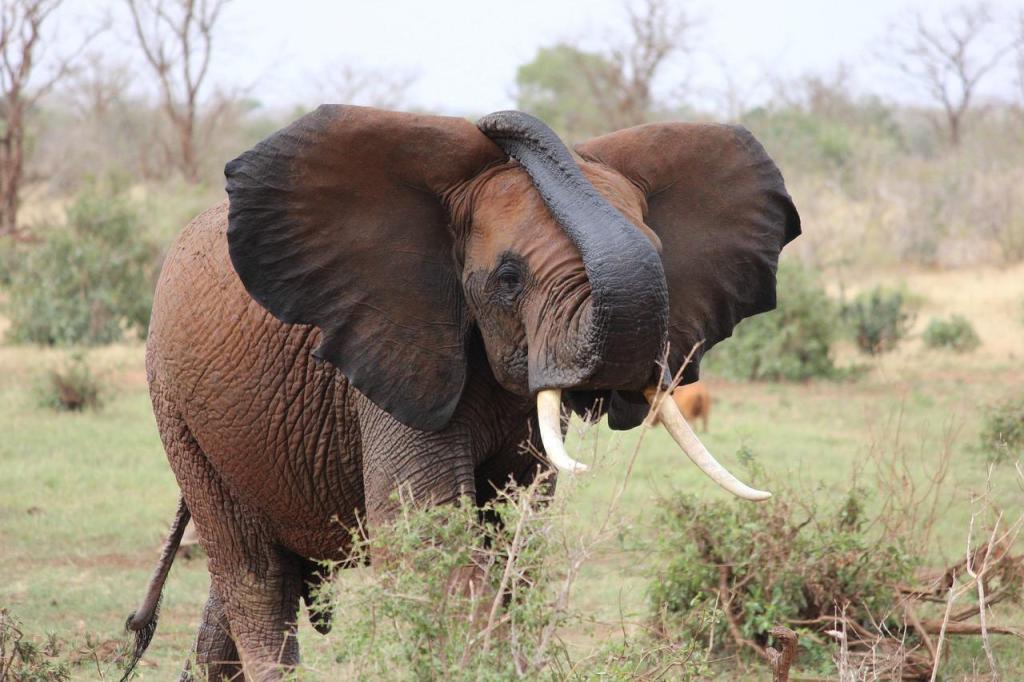
Baobab trees also serve as crucial water reservoirs for wildlife when rain is scarce in the environment. Specifically, the African elephant (Genus Loxodonta) is a frequent visitor of baobabs, targeting large water reserves within the vascular tissue of the trees.

African Elephant (Genus Loxodonta)

Overconsumption | Impacts of Humans and the African Elephant

If you were to observe the same baobab tree at various points of the year, you might notice the diameter of the trunk changes based on the time of year. This is directly correlated with the amount of water readily available for intake by the species from the environment. When baobab trees are larger in diameter, they are swollen from large amounts of water stored within vascular tissue. African elephants are well-adapted to recognize these swollen trunks as a source of hydration and use their tusks to break away external bark of the tree, exposing moist wood ready for consumption. Severe damage to internal tissue from destruction like this results in the death of many baobab trees.

In addition to being exploited by wildlife, baobab trees can be over-harvested by humans for commercial and local purposes such as nutrition or medicinal intervention. With the species in decline, the continual destruction of trees from members of Loxodonta and humans pose a threat to expediting the rate of that decline.

Habitat for Species

With immense branching patterns and bushy foliage, baobab trees make excellent homes for wildlife across Africa, including organisms such as lizards, birds, primates, and insects. Not only does the baobab offer shelter from predators and refuge for reproduction, it also acts as a place of shade to prevent organisms from overheating under the over-exposed sun.

In the video below, you can see many examples of these groups of organisms!


What Conservation Methods are in Place?

Whereas the effects of climate change on baobab species are steadily underway, other factors threatening to shorten their existence, such as over-exploitation by humans, are actively being protected against. For example, members of the NGO (non-governmental organization) Flora & Fauna International (FFI) have paired with the Madagasikara Voakajy (MV) NGO in Madagascar to actively monitor around regions of baobab trees repeatedly sought after for slash-burning or other human exploitation practices.

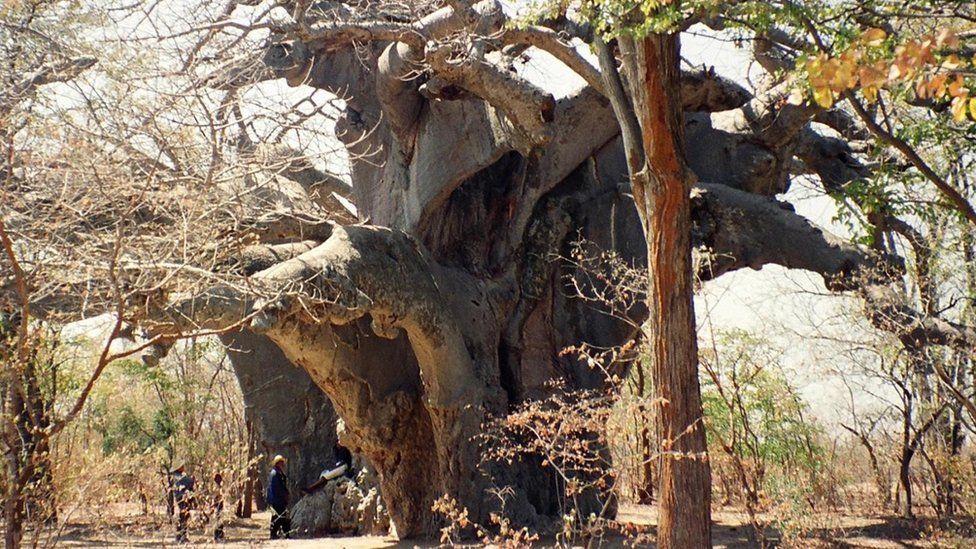
A Decayed Baobab Estimated to be More than 2500 Years Old | © BBC

Having physical representations of the concern the public has for the baobab population is crucial to raising awareness about what is going on with the species. Through efforts such as those set forth by FFI and MV, the lives of those baobabs currently in existence may be prolonged as researchers continue to explore ways to save this historic species.


Future Directions

The baobab tree represents an ancient lineage of DNA that holds cultural importance for many groups of people as well as nutritional benefits to both human and wildlife populations. Measures against climate change, such as minimizing individual carbon emissions and assisting in conscious green-choices are immediate actions you can take to help minimize the future effects baobab species are inevitable to experience.

More population abundance and health assessments need to be conducted as well as assessing trends with clines (environmental gradients). In the time between the release of new information, non-governmental organizations such as Flora & Fauna International and Madagasikara Voakajy mentioned earlier are crucial to raising awareness and taking direct action against over-exploitation practices.

Stay Adventurous,

Olivia Grace

References


1 | Aduna. 2022. Baobab Benefits.

2 | ESFA. 2020. AHAW Panel.

3 | Flora & Fauna International. 2022. Saving the Wild Baobabs of Madagascar

4 | Platt, J. 2018. Extinction Countdown, Climate Change is Killing These Ancient Trees — but That’s Just Part of the Story. The Relevator.

5 | San Diego Zoo. 2022. Animals & Plants, Baobab.

The Third Eye: A Reptilian Perspective

For many humans seeking enlightenment, or a higher form of self-being, the third eye serves as a representation of the internal chamber, or pineal gland, that bridges a gap between the plane we inhabit and other unknown planes existing among us (McGovern, 2007). In the case of a certain reptile, however, interpretations about the role of the third eye rely purely on anatomical physiology. The tuatara (Sphenodon punctatus) is a member of the order Rhynchocephalia, and the last of its evolutionary line. Sometimes these animals are referred to as lizards, though this is not quite a correct assessment. These organisms are more pseudo-lizards, as phyletically (or organizationally to other organisms) tuatara comprise of their own independent clade and traditional lizards are within a separate order, Squamata; see Figure 1.

In addition to being the last living representatives of Rhynchocephalia, tuatara are the oldest known living reptiles–even predating the emergence of dinosaurs (Helicon, 2018; Gemmell et al., 2020). These reptiles are thought to have been first named by the Māori tribe, an indigenous group of peoples whom inhabited regions of New Zealand around 700 years ago. To local tribes, tuatara were thought to be embodiments of guardians that would protect sacred locations (Gemmell et al., 2020).

Tuatara can be found on 30 small islands in New Zealand (Helicon, 2018), however population trends as of recent are unknown and more research into organism abundance and habitat quality assessments are needed. These reptiles can live up to 60 years under proper conditions, 20 years more than the longest-known living lizard the Komodo dragon (Smithsonian’s NZCBI). Perhaps having direct access for the world through the pineal gland or ‘third eye’ has a role to play in maintaining such an elongated lifespan.

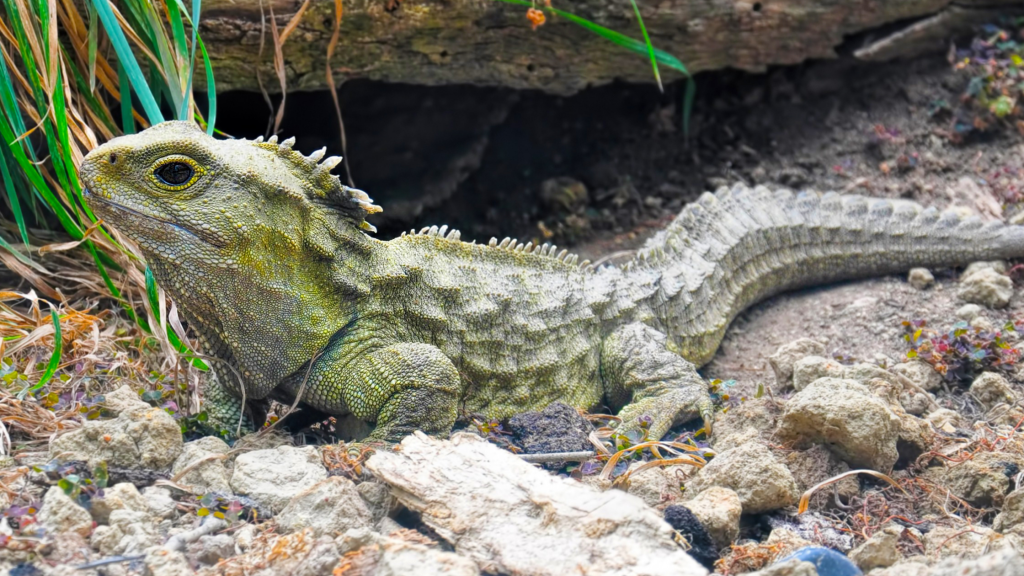
Environmental access to the pineal gland is on top of the tuatara’s head medial to the eyes, but placement is closer toward the spine than the nostril region (see the photo on the right). Researchers deemed this access point to the gland ‘the third eye’, as this small opening in fact contains a functioning and innervated retina! The third eye plays such a crucial role in organismal function that it has remained evolutionarily (genetically) unchanged for roughly 220 million years (Helicon, 2018). As for the specific purpose, this access point to the pineal gland is believed to serve as a regulator for sun exposure. As an ectotherm, tuatara rely primarily on environmental temperatures to alter internal body temperatures. The third eye contributes to behavioral regulation for optimal sun exposure, helping to maintain the body at an ideal level of heat (Stebbins, 1958).

Though not spiritual in nature, the fundamental understandings we have on the third eye of the tuatara has fueled evolutionary research–specifically in regard to amniote divergence on the geologic time scale (Gemmell et al., 2020).

If you are interested in learning more about this species, Discovery UK has a wonderful educational video on the subject, accessible below.

Stay Adventurous,

Olivia Grace

References


Gemmell, N. J., K. Rutherford, S. Prost, et al.. 2020. “The tuatara genome reveals ancient features of amniote evolution.” Nature, 584: 403-409.

Helicon. 2018. “Tuatara.” The Hutchinson unabridged encyclopedia with atlas and weather guide.

McGovern, U.. 2007. “Third eye.” Chambers Dictionary of the unexplained. ISBN: 978-0-550-10215-7

Stebbins, R. C.. 1958. “An experimental study of the ‘third eye’ of the tuatara.” Copeia, 3: 183-190. DOI: 10.2307/1440585

Pollution to Solution: Rice University Reactor Studies aid in Climatic and Biochemical Research

Screen Shot 2021-10-28 at 11.40.09 PM

In 2019, a group of researchers from Rice University created a reactor capable of reducing atmospheric carbon dioxide into a usable energy source: formic acid. Formic acid fuel-cell energy is a better long-term alternative than utilizing hydrogen fuel-cell energy—as researchers indicate hydrogen gas is harder to get into a condensed state. Head researcher Haotian Wang was able to create this reactor by eliminating a need for salts in the solution. Typically, salts have been used for reducing atmospheric carbon dioxide, but Wang suggested to instead use a solid electrolyte that degrades more slowly. Not only was this created catalyst slower in degradation, it was also more stable (held form during the reaction). Success rate for this reactor depended on the speed at which the reaction took place; higher speeds gained better results, and researchers achieved nearly a 50% collection of formic acid at the end of the trials.

While producing a useful and strong biochemical fuel, the lab’s research primarily aimed to reduce the amount of greenhouse gasses in the atmosphere. Global warming is a threat to our planet and the multitude of species that inhabit it. A continual increase in greenhouse gasses would only accelerate the effects of global climate change. The research being done at Rice University holds tremendous value toward conservation efforts, because by lowering greenhouse gas concentrations in the atmosphere, the resulting stress effects these gasses hold on species could lessen overtime. A decreased presence of external stressors on a population can significantly decrease an organism’s vulnerability to extinction. While this reactor is still a prototype in the lab,  researchers feel they could scale their methods to work at industry level, which would allow this method of lowering greenhouse gasses to extend to international use. Ensuring high carbon-emitting, industrialized countries have access to this technology holds potential to make climate conservation on the multinational level much more attainable. Combating climate change is one of the most important issues in ensuring the conservation of our planet’s species, and while more testing and tinkering with the reactor is needed, this process is a step in righting the damage done.

Wang and his team were published in Nature Communications in 2020. If you would like to read the paper released, you can find it here.

Since publishing this paper, the Wang Lab has received many awards for their continued research into the use of reactors to isolate compounds from the environment. More recently, scientists in the Wang Lab have discovered a more efficient way of synthesizing Hydrogen Peroxide (H2O2) from environmental factors using a boron-attached carbon molecule as fuel, or a catalyst, for the collection pathway. Hydrogen peroxide is an oxidizing chemical commonly used in scientific research and medicinal practices. In prior years to now, synthesizing hydrogen peroxide was difficult to achieve due to the the reactive favorability of the molecules involved to convert to water. The pathway perfected by the Wang Lab research team allows for more stabile accumulation process of hydrogen peroxide molecules, well as higher ratios of molecule collected.

Haotian Wang and the researchers in his lab continue their efforts in molecular synthesis as it related to environmental cleanup, and are making headlines among environmental and biochemists worldwide. If you would like to keep up with the efforts from the research team, you can follow the University’s update page here

Wang Lab Researchers Synthesizing H2O2

Stay Adventurous,

Olivia

Your Neighborhood Gecko

Because of their solo nature, it’s not likely to spot a group of geckos in the wild. However, one species of gecko has adapted to a more urban lifestyle: the Mediterranean Gecko. Better known as the Common House Gecko, these creatures originated between the Northern parts of Africa and Southern Europe.

gecko-2656812_1280

First introduced to other warm countries, the Mediterranean Gecko made its way to Florida and has been leaving a trail ever since. If you live in an urbanized part of the Southeastern United States, there’s a good chance you have a few house guests.

Don’t be alarmed yet, though. These lizards are ferocious insect hunters and are great for keeping down the insect population outside your home. The best way to spot them is at night on a lit porch where insects tend to collect, however on occasion, you may be able to see some wandering about throughout the day.  These geckos tend to be skittish and are likely to run from human presence, but if you happen to get close to one, their docile nature presents no cause for danger.

While there is a wide range of color morphs for Mediterranean Geckos, a few identifying characteristics remain the same. If you feel you have a few new outdoor companions, the identification guide below might prove useful:

Screen Shot 2018-06-19 at 4.48.59 PM

If you answered yes to all of these questions, then you’ve got yourself a fierce home defender! They may not be the best at insuring your cars, but they will definitely give bugs a run for their money.


Protecting the Pangolin

Illegally trafficked for their scales, the Pangolin ranks as the number one most unlawfully trafficked animal, putting the species in imminent jeopardy of extinction.

Pangolin Image by WWF
Photo Courtesy of the World Wide Fund for Nature (WWF)

The use of the scales dates back to roughly 1820 in Asia, where the keratin flakes were used as armor coating. Aside from protein, additional uses of the animal were medicinal. In Chinese culture, drying the scales followed by roasting is believed to cure various ailments such as skin disease, infection, or paralysis.

Over decades, this once flourishing species began to dwindle in numbers and was placed on the endangered species list in November 2010 by the Zoological Society of London. In 2016, the 8 different sub-species of Pangolin were given the highest level of protection by the International Fund for Animal Welfare, IFAW, including against trafficking. The species is currently listed under Appendix 1 of CITES: Convention on the International Trade in Endangered Species.

Despite the efforts to conserve the species, Pangolin trafficking is still active. Just last year, 12 tons of dried Pangolin scales were confiscated in China in an “empty” shipping container. According to the Maritime Executive, officials estimate 20,000 Pangolins were killed to achieve the amount found. The scales were believed meant to enter the Chinese Black Market, where the use of Pangolin for medicine is still widely prominent.

large-Pangolin-photo
Photo Courtesy of WWF

Organizations such as WWF and the IAFW are currently trying to counter the poaching efforts for this endangered animal. Unfortunately, however, until stronger international laws are achieved, these scaly critters will continue to need advocates to fend against what their natural armor cannot.

Stuck Like Glue

I’ll be the first to admit, whenever I saw a butterfly with a broken wing, I was the kid to create a terrarium (not very decent, mind you) and stick him/her in it hoping it would grow back… and voila, the insect would be healed! Unfortunately, the outcome was always the same: they died. The sad reality is butterflies finish growing after their second stage of life, and without their wings, they don’t have the best mobility.

It wasn’t until I was bouncing around youtube one night when I found a video of a man actually repairing a wing for a butterfly with contact cement. Granted, the name gives the product a harsher sound than it is, as it is just a form of contact adhesive.

Without their in-tact wings, these beautiful insects are rendered flightless and will spend the rest of their days crawling around the ground. Without any intervention, this leaves them easy prey for birds, reptiles, bored toddlers, you name it. Luckily, there’s a solution, and if you’ve got the patience, the steps are quite simple.

If you are interested, the Live Monarch Foundation has a step by step guide to turning the quality of life around for these injured critters. Even if you don’t happen to find yourself in a situation like this, I find it worth the watch, because who doesn’t want to be an expert at butterfly wing repair?


Stay adventurous,
Olivia Grace

Debunking the Betta

Among the top breeds of fish to own, Bettas are the most often maltreated and neglected. Sold in containers merely double there size, buyers often believe the fish are able to thrive in tight conditions. Like any other fish type, tight surroundings leads to increased stress levels, and as a result, the fish become more susceptible to illness.

Housing

The best way to avoid bringing stress to your aquatic companion is to provide adequate swimming room with plenty of hides for stimulation. As a common rule, at MINIMUM, for every inch of fish, you should have a gallon of tank-space for the environment.

Other important factors to remember are that Bettas are tropical animals and flourish in water temperatures ranging from 78-80 degrees F. When water temperatures drop and remain below 74 degrees F, the fish can grow lethargic and again take on added stress levels.

Decorations

There are pros and cons to both fake-planted aquariums and aquascapes. Perks of having a non-planted aquarium include a low level of algae, however, the plants chosen need to be of a silk variety, as the harsh plastic of most aquarium decorations can shred the delicate fins of a Betta fish.

While providing a more natural living space, planted aquariums can lead to fungal infections if the tank does not have a decent filtration system and excess food/dead plant material is left to rot.

The tank style truly depends on the amount of time and money the owner is willing to put in to ensure a clean and sustainable environment.

Diet

Due to their carnivorous nature, Bettas require a wide-range of protein in their diet. Most pellet mixes will be sufficient, though it is more than acceptable to supplement bloodworms and freeze-dried krill into their diet from time to time.

Tankmates

A common misconception is that Betta fish have to live in isolation. While males need to be isolated from other males of the breed, sorority tanks often function quite successfully after an initial hierarchy is sorted out.

Bottom feeders such as snails, loaches, plecos, and African dwarf frogs, all make good companions as well due to their docile nature and tendency to stay out of the Betta’s way.

betta-1305203_1280

As always, it is important to make sure you have the money and time to dedicate to these beautiful creatures before you bring one home. Though they may be small, these fish do require time and attention to ensure they are living a healthy and proper lifestyle.


Stay adventurous,

Olivia