“Science makes discoveries when it admits to not knowing, poetry endures if it looks hard at real things. Nature writing, if such a thing exists, lives in this territory where science and poetry might meet. It must be made of both; it needs truth and beauty.”
Tim Dee, The Running Sky: A Bird-Watching Life

Let’s Get Dirty: The Fundamentals of Soil Ecology
Soil: Earth’s Living Tapestry Beneath our feet lies an intricate tapestry of life, teeming with activity: soil. Often overlooked, the health and complexity of this living canvas significantly influence the sustainability of life as we know it (Lavelle and Spain, 2001). Soil ecology delves deep into this tapestry, studying the interactions between soil-dwelling organisms and…


Trees, Geese, and Beef: The Journey to Regenerative Agriculture
How a small farm in northern Vermont is doing its part in saving the world. Gold Shaw Farm is a small-scale beef, poultry and tree operation located on 150-achre’s of land in the rural northern town of Peachum, Vermont. Founded by couple Morgan Gold and Allison Ebrahimi Gold in 2016, this farm has continuously aimed to…

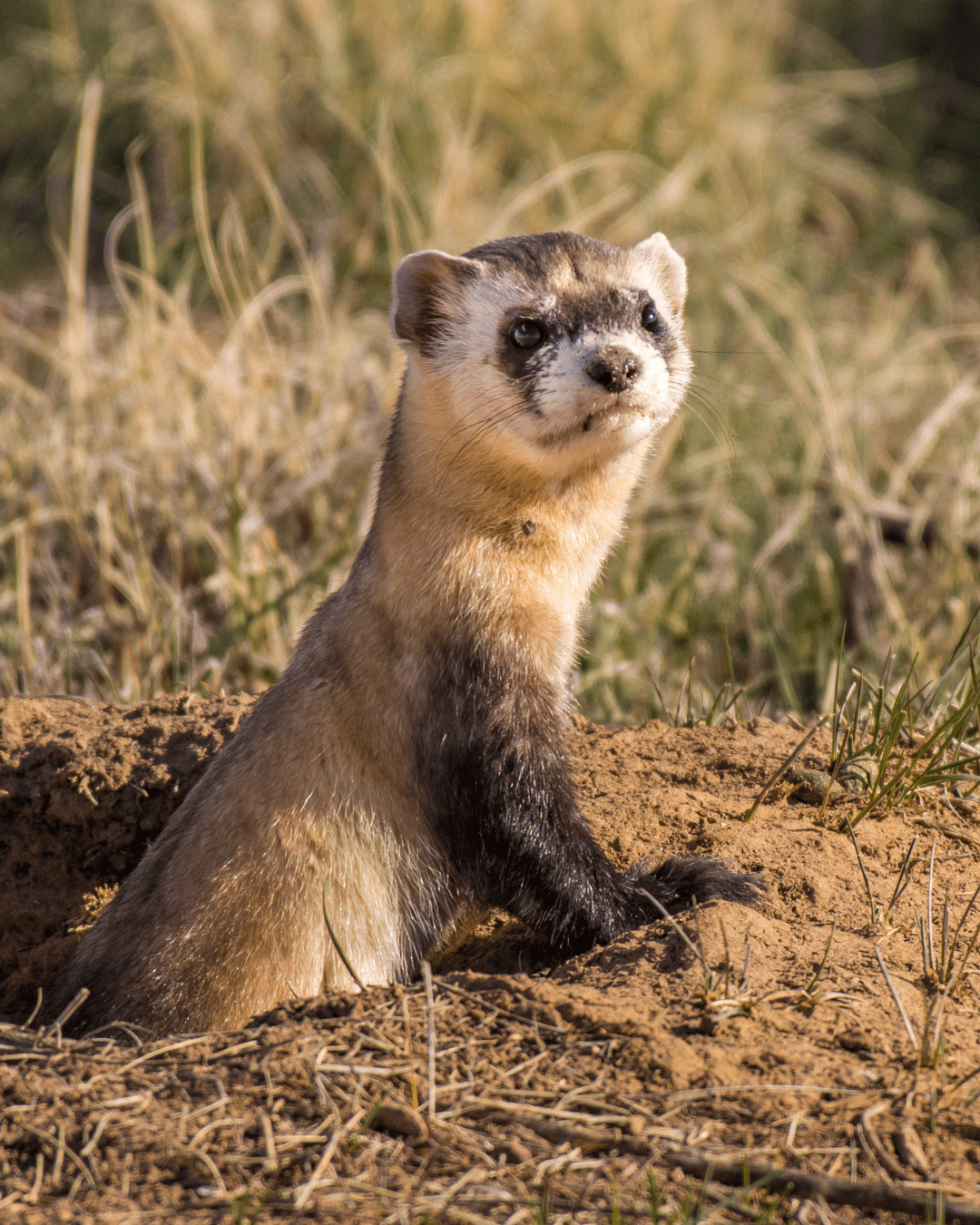
Ferret in the Hole: The Black-Footed Ferret’s Fight for Survival
In the sprawling tapestry of North America’s Great Plains, the black-footed ferret (Mustela nigripes) emerges as a creature of nocturnal mystique and ecological intricacy. Dwelling in the grasslands and prairies, these mammals have intricately woven their existence with the burrows of prairie dogs, their primary prey. Their solitary nature is briefly set aside during mating…
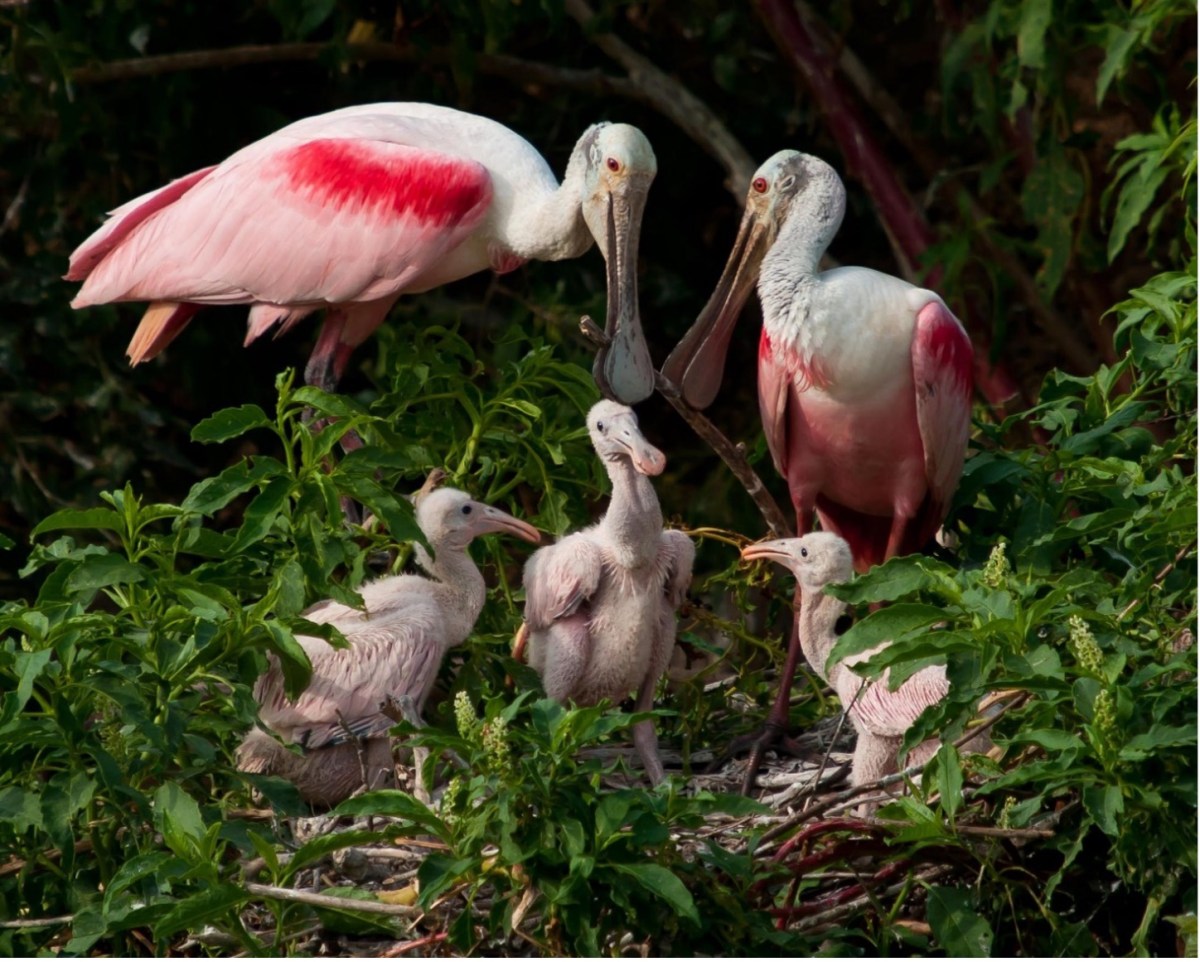
Think Pink: What the Roseate Spoonbill Can Teach Us About Adaptability in the Face of Climate Change
Raucous, bustling colonies of Roseate Spoonbills once flourished along the Florida coast and throughout its wetlands. Now, the painted, powder-pink birds are struggling inland, driven from their once robust ecosystem by the effects of climate change and man-made “restoration” efforts. More than a million wading birds once lived in the Everglades, however, plume hunters and…


Keeping it CREEL: A Reflection of My Summer in Alaska
This summer, I had the amazing opportunity to work as a Roving CREEL Technician in Southeast Alaska with the Alaska Department of Fish and Game (ADFG). I had the privilege of traveling to Juneau, Petersburg, Yakutat, and Hoonah for work and explored the beauty of Alaska all while working and gaining field experience. In addition…

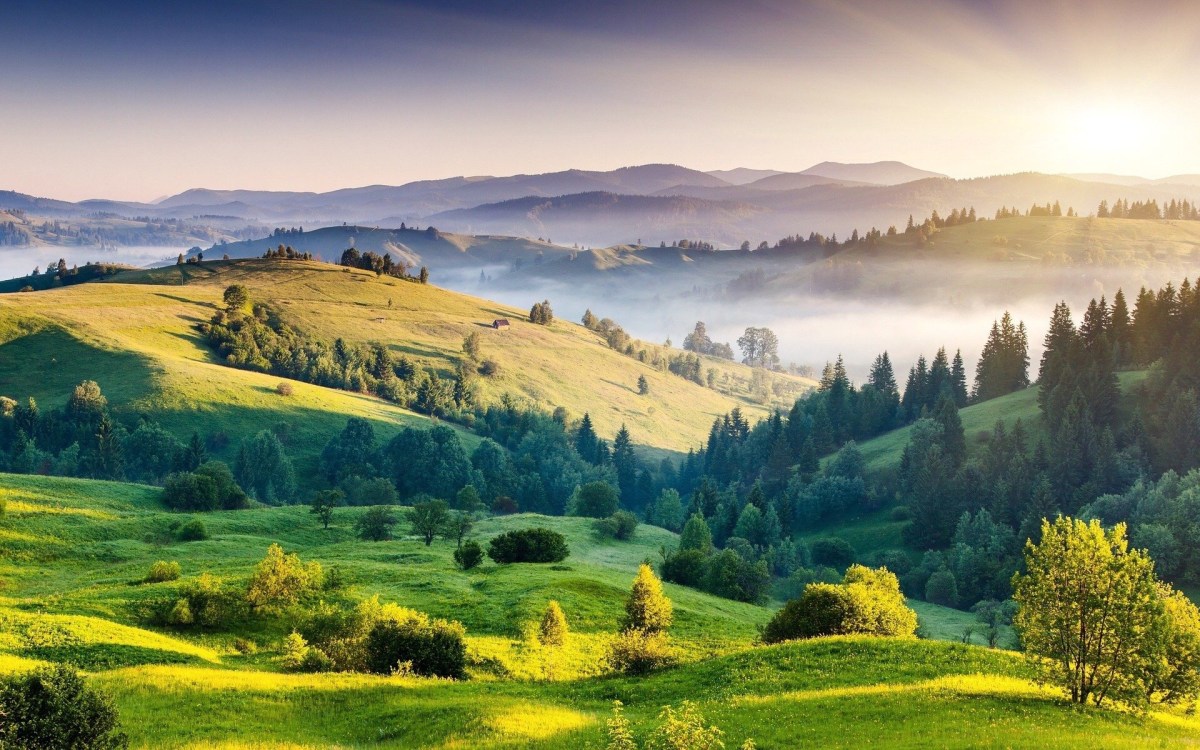
Exploring Biodiversity
“The value of biodiversity is that it makes our ecosystems more resilient, which is a prerequisite for stable societies; its wanton destruction is akin to setting fire to our lifeboat.”
-Johan Rockstrom

Diving Deep: the Fangtooth Fish
Anoplogaster cornuta, commonly known as the fangtooth fish, is a pelagic fish that grows to a maximum of 16 centimeters in length. Pelagic refers to aquatic organisms that can be found anywhere between 500 and 2,000 meters below sea level. With a name including ‘fangtooth,’ these organisms can be visualized as vicious predators within the…

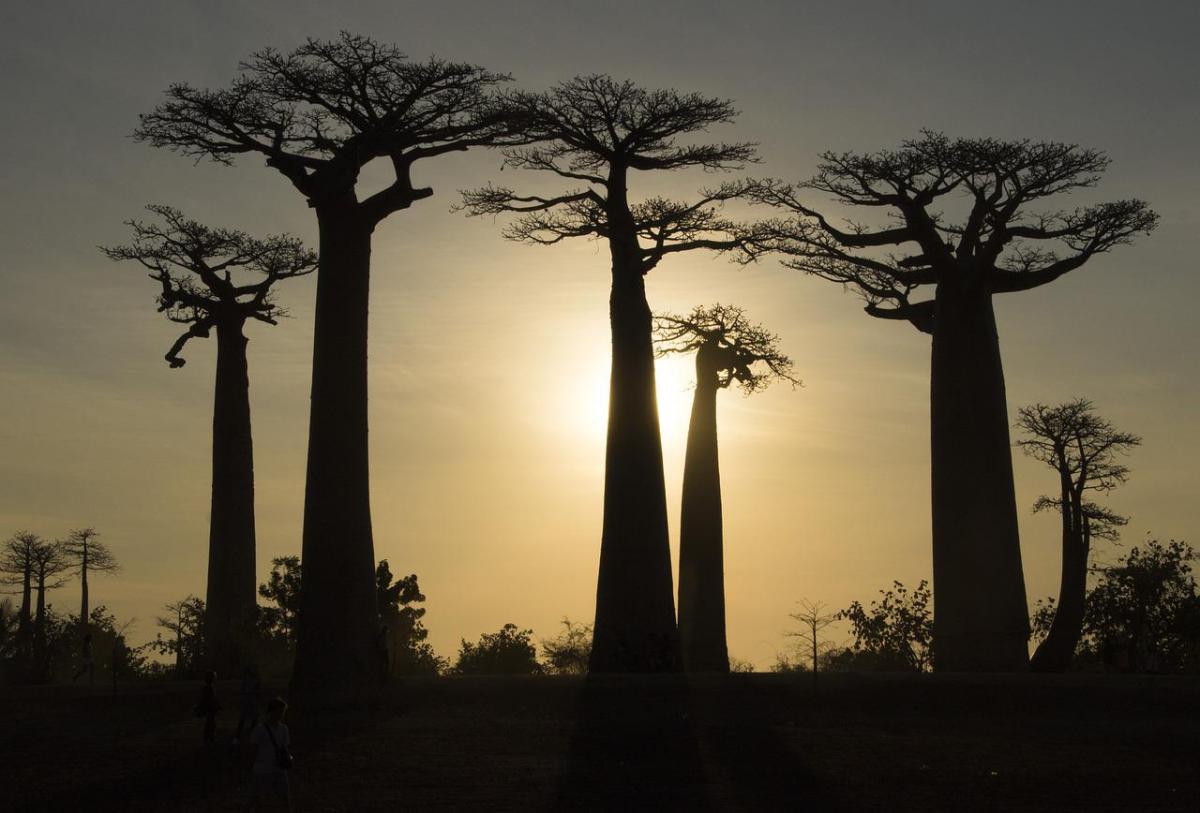
Species Spotlight: the Baobab Tree
Across the savannah and other regions of Africa, two trees are widely recognizable and often depicted in artwork for their stunning profiles against the horizon. The umbrella thorn acacia (Vachellia tortillas) and the baobab (genus Adansonia) serve as habitats and sources of nutrition for many species. Take a moment to compare the tree types below…
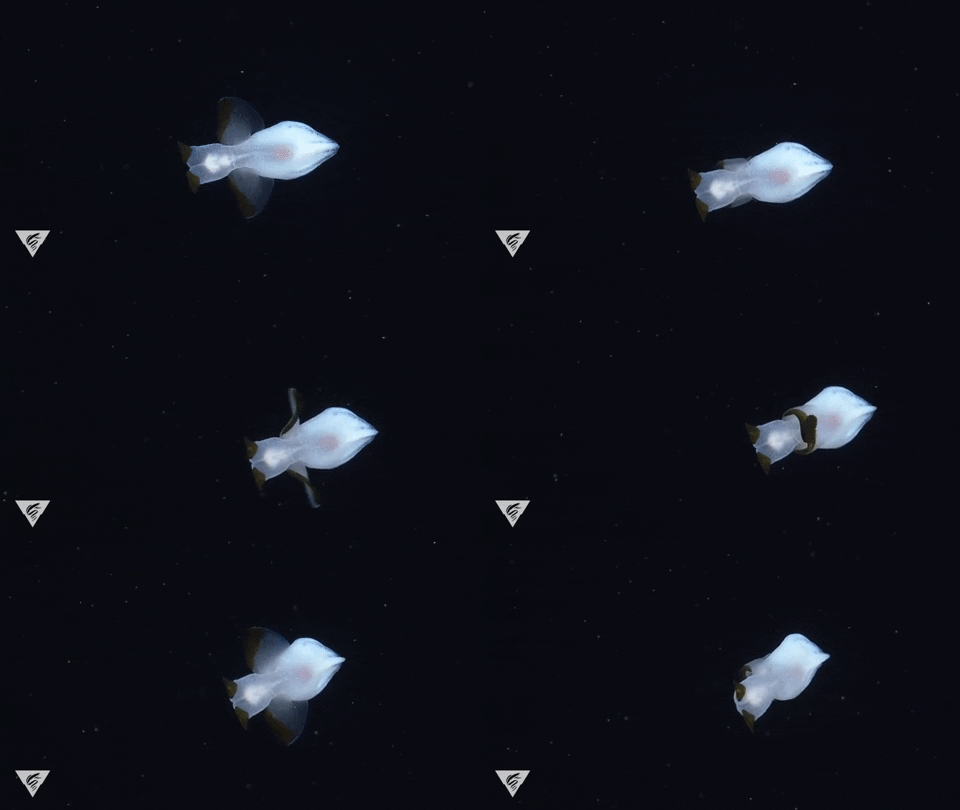
Diving Deep: the Sea Angel
Using a pair of winglike structures, the sea angel propels itself gracefully through the deep waters of the ocean. Sea angels look quite ethereal, with translucent bodies and internal organs of pink and orange. However, despite its celestially inspired name, the sea angel is not so angelic in disposition as they in fact are fierce…
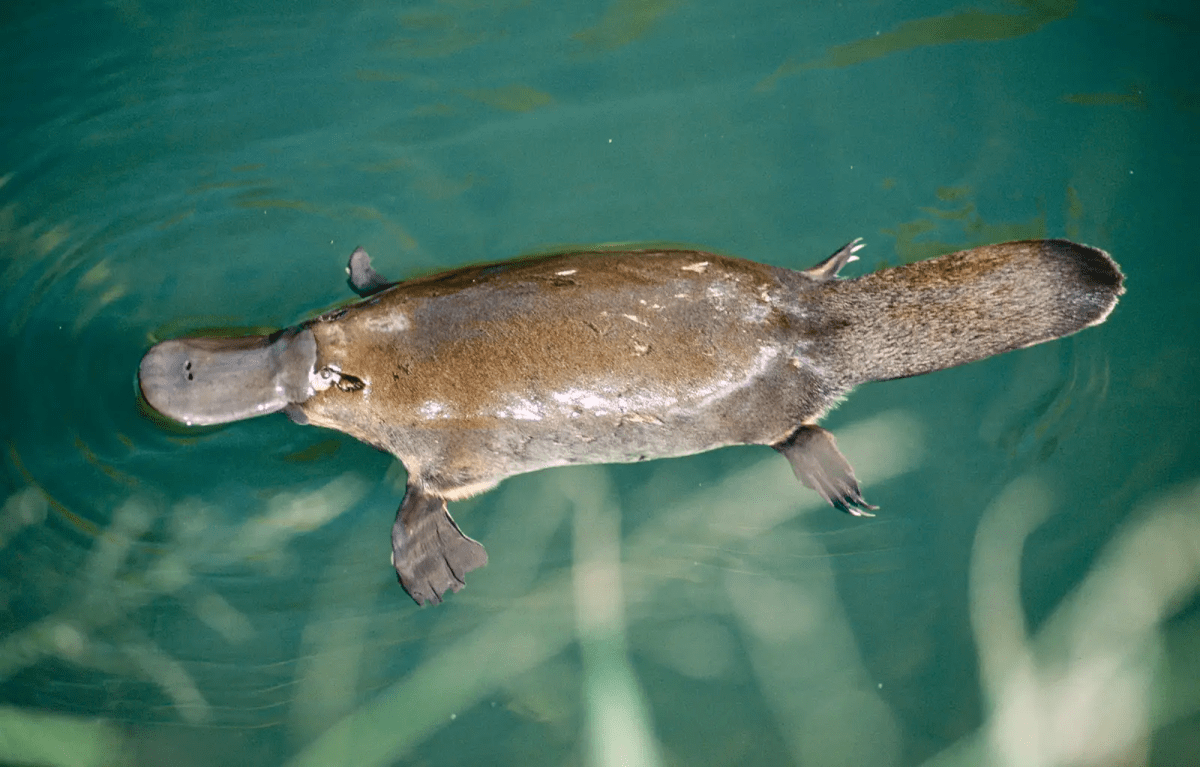
Monotreme Monday: the Platypus
Monotremes make up one out of the three main groups in the class Mammalia , where they are most popularly known for their egg-laying capabilities. In today’s edition of Monotreme Monday, we will be focusing on the Platypus, one of the five species of monotremes still alive today.

The Third Eye: A Reptilian Perspective
For many humans seeking enlightenment, or a higher form of self-being, the third eye serves as a representation of the internal chamber, or pineal gland, that bridges a gap between the plane we inhabit and other unknown planes existing among us (McGovern, 2007). In the case of a certain reptile, however, interpretations about the role…
Diving Deep: the Anglerfish
The Anglerfish, to some, is a true deep-sea nightmare–and not just to Marlin and Dory on their search for Nemo! This species was discovered in 1833 by an English naturalist named James Yate Johnson. At the time of discovery, not much was known about the ecology and lifestyle of this ghoulish fish, as the only…

Pollution to Solution: Rice University Reactor Studies aid in Climatic and Biochemical Research
In 2019, a group of researchers from Rice University created a reactor capable of reducing atmospheric carbon dioxide into a usable energy source: formic acid. Formic acid fuel-cell energy is a better long-term alternative than utilizing hydrogen fuel-cell energy—as researchers indicate hydrogen gas is harder to get into a condensed state. Head researcher Haotian Wang was…
Your Neighborhood Gecko
Because of their solo nature, it’s not likely to spot a group of geckos in the wild. However, one species of gecko has adapted to a more urban lifestyle: the Mediterranean Gecko. Better known as the Common House Gecko, these creatures originated between the Northern parts of Africa and Southern Europe. First introduced to other…
 Compassion Crossing